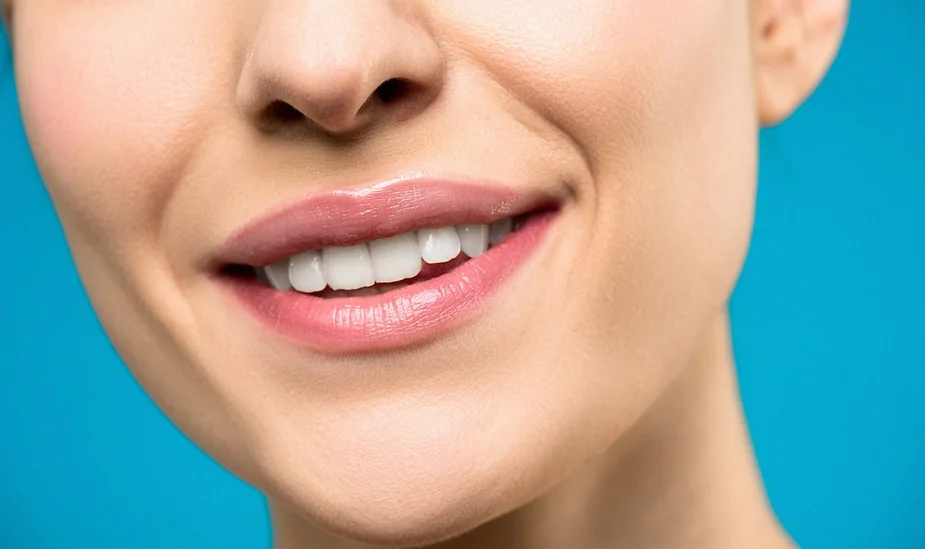
Lip filler is the injection of hyaluronic acid into the lips to add volume, hydration or definition. When well indicated, it respects the proportions of the face and uses little product, almost always starting with one syringe. Swelling usually fades in 5 to 7 days, the result shows at around two weeks and lasts several months. It is reversible. Results vary from patient to patient.
Well-done lip filler doesn’t look like a procedure: it looks like your lips, rested and hydrated. It is done with hyaluronic acid, decided by looking at the whole face and not just the mouth, and almost always starts with a small amount of product. Swelling lasts a few days, the result settles at around two weeks, and it is reversible.
In this guide we explain how proportion is decided, what happens on the day of the procedure, what is normal during recovery, how long it lasts and when it isn’t a good idea. Lips that look like yours · not someone else’s.
What is lip filler, and what is it made of?
Lip fillers are injections of hyaluronic acid into the lip to add volume, hydration or contour definition. Hyaluronic acid is a substance the skin produces naturally and that holds water; in fillers it comes as a gel, in different densities depending on the goal.
Only hyaluronic acid is used in the lips, and there is a clinical reason: it is reversible. If something doesn’t look right, it can be dissolved with an enzyme called hyaluronidase. Other injectables, such as calcium hydroxylapatite or poly-L-lactic acid, are collagen biostimulators useful in other areas of the face, but they aren’t used in the lips because of the risk of nodules. To understand the molecule better, read everything you need to know about hyaluronic acid.
The reasons people come in vary: lips that have always been thin, lips that have lost volume over the years, mild asymmetries, a poorly defined contour or lips that look dehydrated. Men come in too, with different criteria: more support and hydration, without emphasizing the contour.
Proportion: how we decide how much and where
The most common mistake is thinking about the lips in isolation. The lips need to work with the nose, chin, cheekbones and smile. That’s why, before injecting, the physician looks at:
- The balance between the upper and lower lip. In most faces the lower lip is slightly fuller; reversing that balance usually looks artificial.
- The contour and the Cupid’s bow. Sometimes defining the border is enough to make the lip look fuller, without adding volume.
- The corners of the mouth and the lines around it. In some cases the problem isn’t the lip but its support.
- The profile. A receding chin or a prominent nose changes how much volume the mouth can carry.
- Your smile and your expressions. Lips move all day; the result has to look good while you talk, not just in a photo.
When the imbalance involves the whole face, the lips are only one part of the plan, and what’s indicated is a phased facial harmonization.
What to expect on the day of the procedure
- Consultation: we review your medical history, medications and any history of cold sores, and talk about what you want and what is possible.
- Anesthesia: numbing cream or local anesthesia is applied; many products include lidocaine. The discomfort is tolerable.
- Injection: the physician applies the product with a fine needle or cannula at defined points, shapes it and checks symmetry with you sitting up.
- Amount: we almost always start with one syringe. 1 syringe · applied with judgment. If more is needed, it is done in another session.
- Leaving: you go home with written instructions and swollen lips, which is expected.
Your consultation at iki is free · 45 minutes
A diagnosis and a written, phased plan. You decide afterwards. Related treatment: Hyaluronic acid.Recovery: what is normal, day by day
Most people return to normal life within 24 to 48 hours. This table summarizes what to expect and when to call the physician:
| When | What is normal | When to call |
|---|---|---|
| First 48 hours | Swelling, tenderness, small injection marks and sometimes bruising | Pain that increases, skin that turns pale, purplish or blotchy in a net-like pattern |
| Days 3 to 7 | Swelling goes down; there may be slight asymmetry from uneven swelling | Blisters, scabs, warmth or redness that spreads |
| Week 2 | The result settles and the real shape shows · time for the follow-up | Visible nodules or asymmetry that persists |
| Following months | The product integrates and is gradually reabsorbed | Late swelling or lumps that reappear |
For the first 48 hours, avoid intense exercise, saunas, alcohol and pressure or massage on the lips. Severe pain with color changes is uncommon, but it is an emergency: it may mean the product is compressing a blood vessel, and it requires immediate medical attention.
How long does lip filler last?
Hyaluronic acid is temporary and usually holds for several months. On the lips it tends to last less than in stiller areas, such as the cheekbones, because the mouth is moving all day. The product, the amount, the technique and each person’s metabolism all play a part.
A common myth is that when the effect wears off, the lips end up wrinkled or thinner than before. That isn’t the case: they return to their previous shape. Over the years, though, lips do lose volume from genetics, sun and smoking, and some people use filler to maintain them, not to change them. Results vary from patient to patient.
Natural results: how to avoid “duck lips”
Lips that look artificial are almost never the product’s fault. They usually result from these decisions:
- ✗ Putting in a lot of product in a single session.
- ✗ Overfilling the upper lip until it projects over the lower one.
- ✗ Repeating before the previous product has been reabsorbed, which can lead to filler migrating beyond the lip border.
- ✓ Little product, in stages, with a follow-up at two weeks.
- ✓ Respecting your contour and your proportions, not copying someone else’s.
- ✓ Accepting that a very thin lip improves, but doesn’t turn into a different one.

Who shouldn’t get lip filler, and what are the alternatives?
It isn’t applied, or is postponed, in these cases:
- Pregnancy or breastfeeding.
- An active cold sore, wounds or infection in the area. If you get recurrent cold sores, the physician may prescribe preventive treatment.
- A known allergy to the product’s components or to lidocaine.
- Active autoimmune disease, bleeding disorders or anticoagulant use: assessed case by case.
- Expectations of volume out of proportion with the face. We don’t do that, even if it means losing the sale.
If what bothers you is dryness or a lack of shine, not volume, hydration may be enough: we explain it in lip hydration, an alternative to lip fillers. And if you want your upper lip to show more when you smile, compare the options in lip fillers or lip flip. To go deeper into facial harmony, read lip fillers: natural results and facial harmony.
At iki, in Usaquén, the physician assesses your lips in proportion with your face, tells you what is possible with one syringe and, if it isn’t the right time, tells you that too. Your consultation at iki is free · 45 minutes.
Frequently asked questions
How long does hyaluronic acid lip filler last?
It usually holds for several months. On the lips it tends to last less than in stiller areas, such as the cheekbones, because we talk, eat and make expressions all day. How long it lasts depends on the product, the amount, the technique and each person’s metabolism. When the effect fades, the lip returns to its previous shape; it doesn’t end up thinner or more wrinkled than before.
Do lip fillers hurt?
The lips are a sensitive area, so numbing cream or local anesthesia is used, and many products include lidocaine in the syringe. With that, the discomfort is tolerable. Afterward, tightness, mild burning or tenderness for a day or two is normal. If the pain increases instead of decreasing, tell the physician right away.
Do lips with filler look natural?
Yes, when the goal is proportion rather than volume. A natural result respects the contour, the balance between the upper and lower lip and the rest of the face, and it is built with little product, in stages if needed. What looks artificial is usually too much product or trying to copy lips from another face. At iki we aim for lips that look like yours.
What if I don’t like my lip filler result?
Hyaluronic acid is reversible: it can be dissolved with an enzyme called hyaluronidase, administered by a physician. That’s why it is the only filler recommended for the lips. Before thinking about dissolving it, wait two weeks, because swelling in the first few days changes the shape and can give a false impression of asymmetry or too much volume.
Who shouldn’t get lip fillers?
They aren’t applied during pregnancy or breastfeeding, with an active cold sore, wounds or infection in the area, or with a known allergy to the components. Active autoimmune disease, bleeding disorders or anticoagulant use are assessed carefully. If you get recurrent cold sores, the physician may prescribe preventive treatment. It also isn’t done if the goal is volume out of proportion with the face.
How long before an event should I get lip fillers?
The prudent approach is to do it at least two or three weeks before. Swelling and possible bruising usually fade in 5 to 7 days, but the result settles at around two weeks, which is when the follow-up happens if anything needs adjusting. Doing it a few days before a wedding or an important photo means risking arriving with swollen lips.
This article is for information only and does not replace a medical consultation. Results of any treatment vary from patient to patient. If you have a skin condition, book a consultation to get a diagnosis.