IPL for rosacea
Rosacea isn’t cured · the redness is controlled
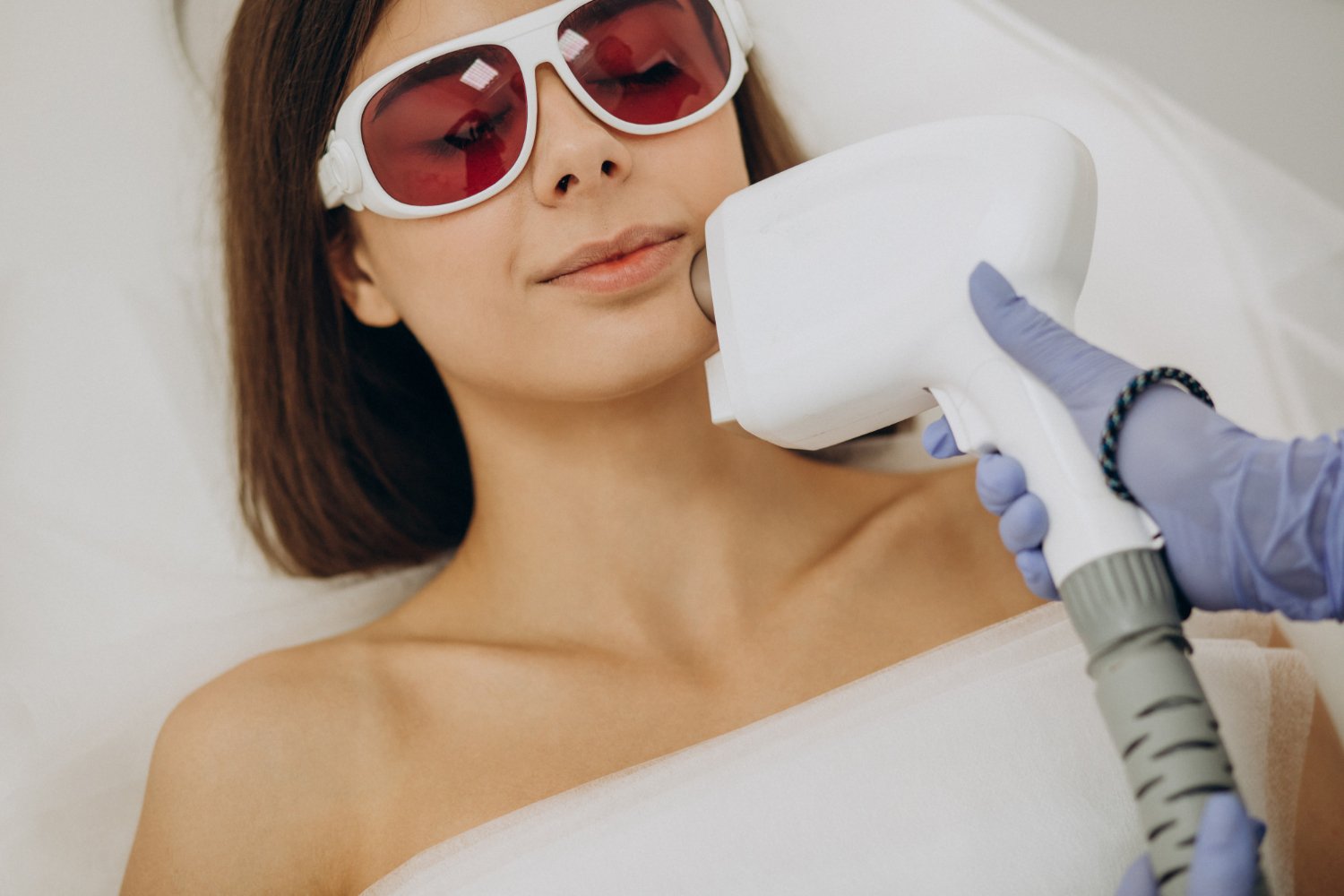
Intense pulsed light, or IPL, works on the diffuse redness and fine vessels of rosacea. At iki it is done on the Stellar M22, in a series of sessions and on skin without an active flare-up. Rosacea isn’t cured · it’s controlled, and IPL works best within a plan that includes a routine, sunscreen and trigger control.

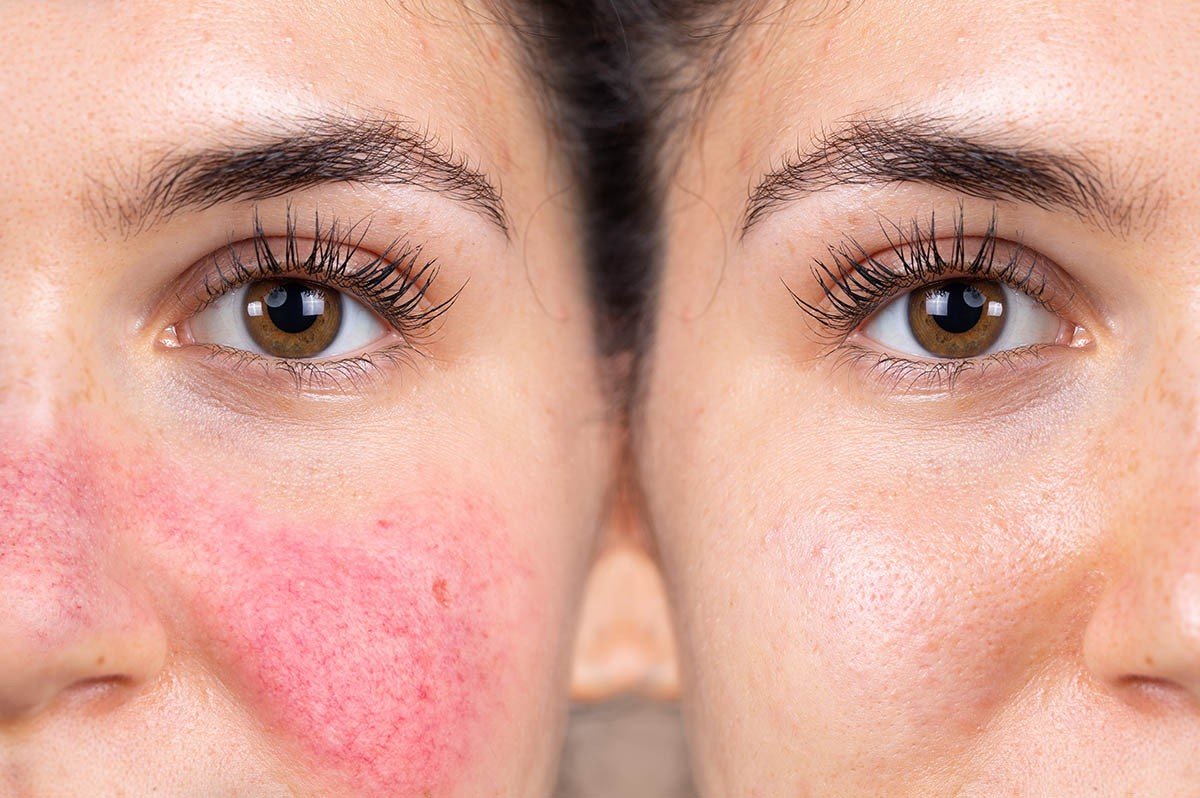
Results in rosacea and facial veins · identity protected
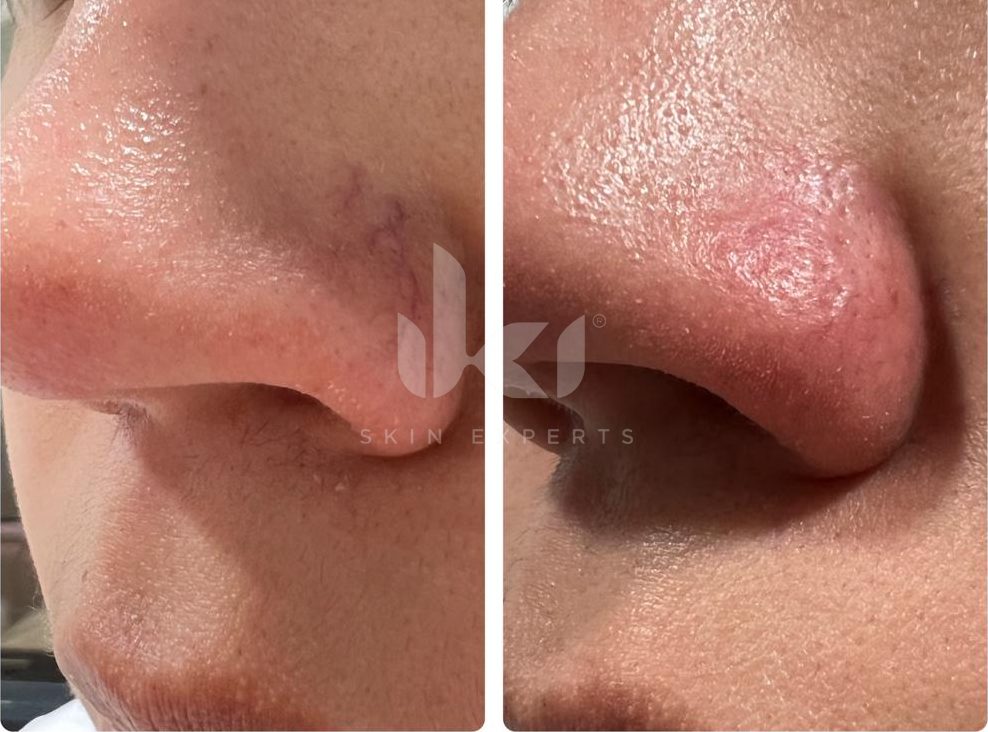
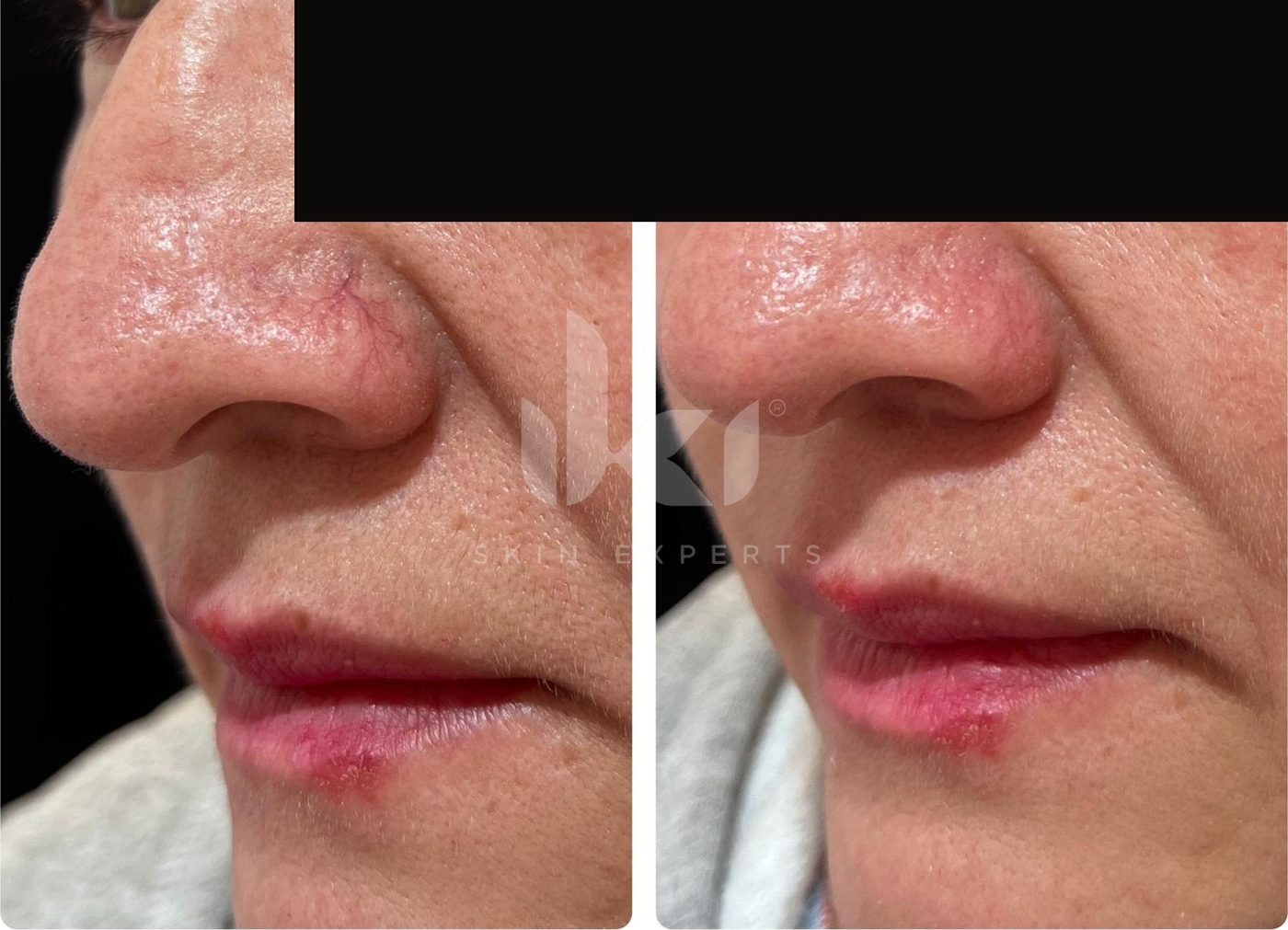
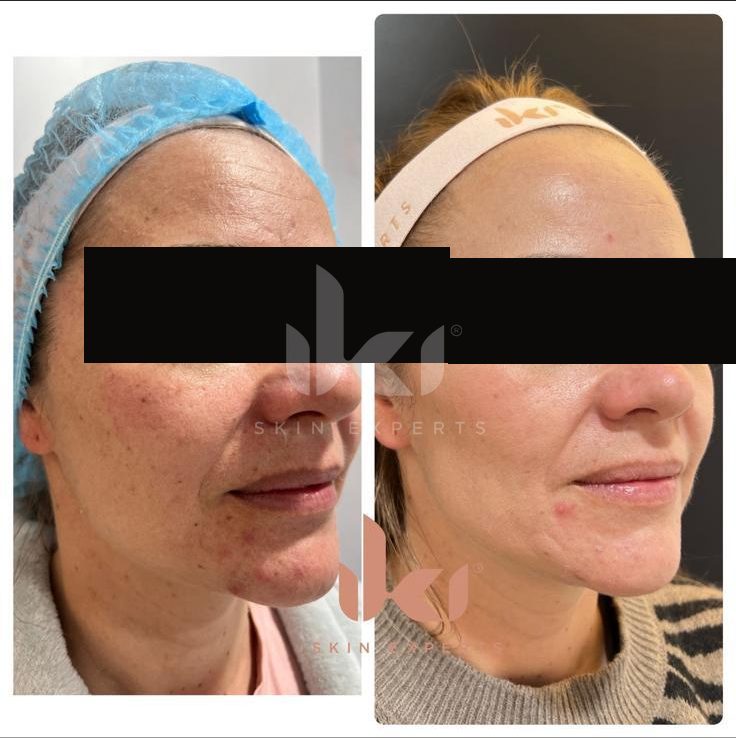
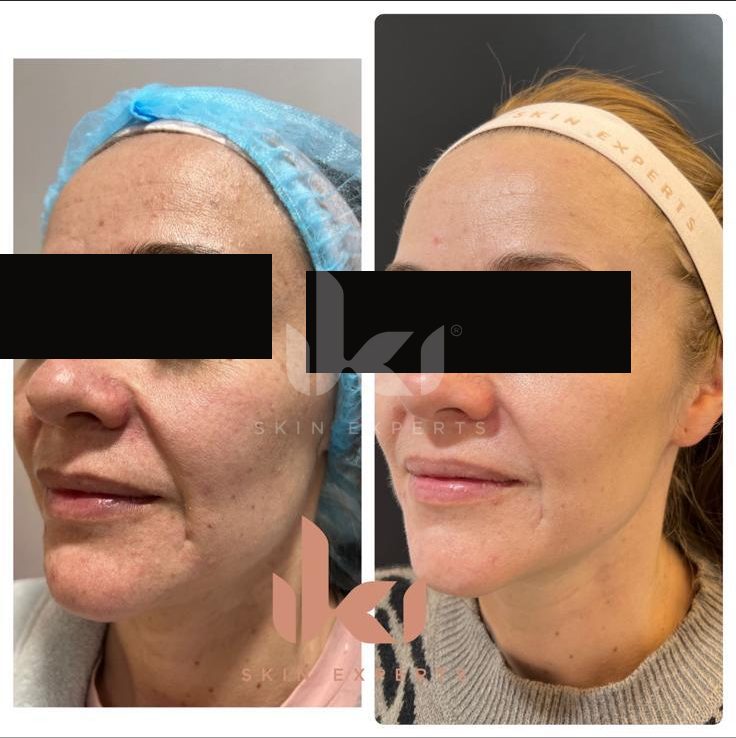
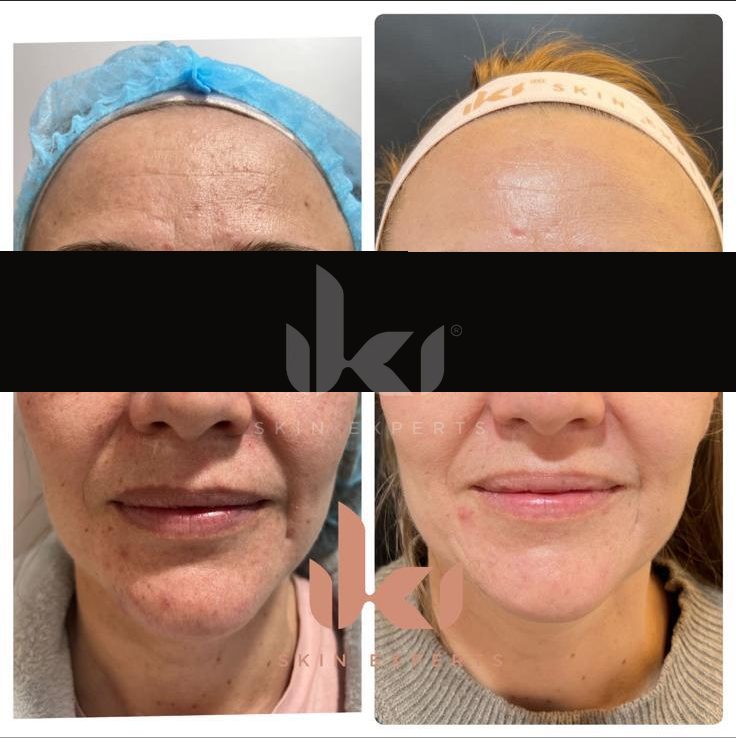
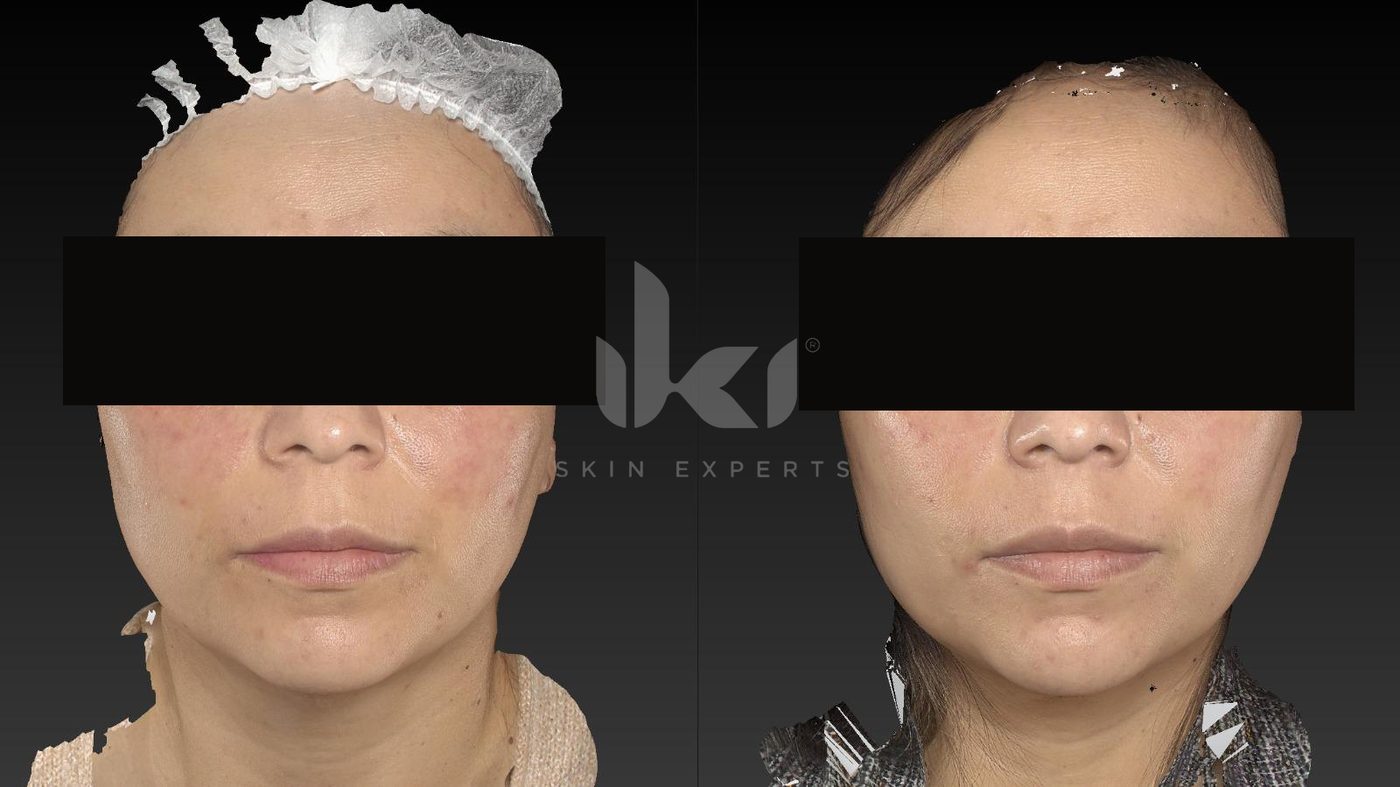
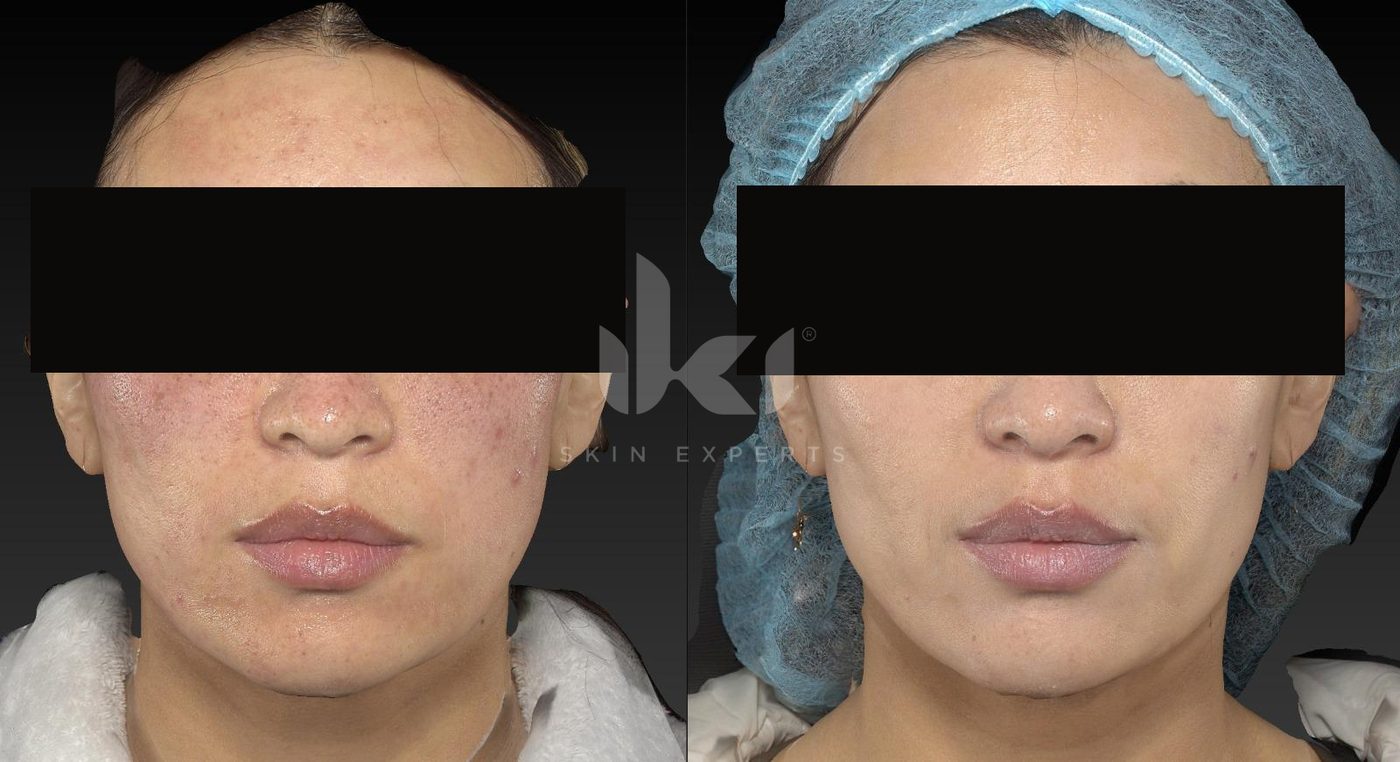
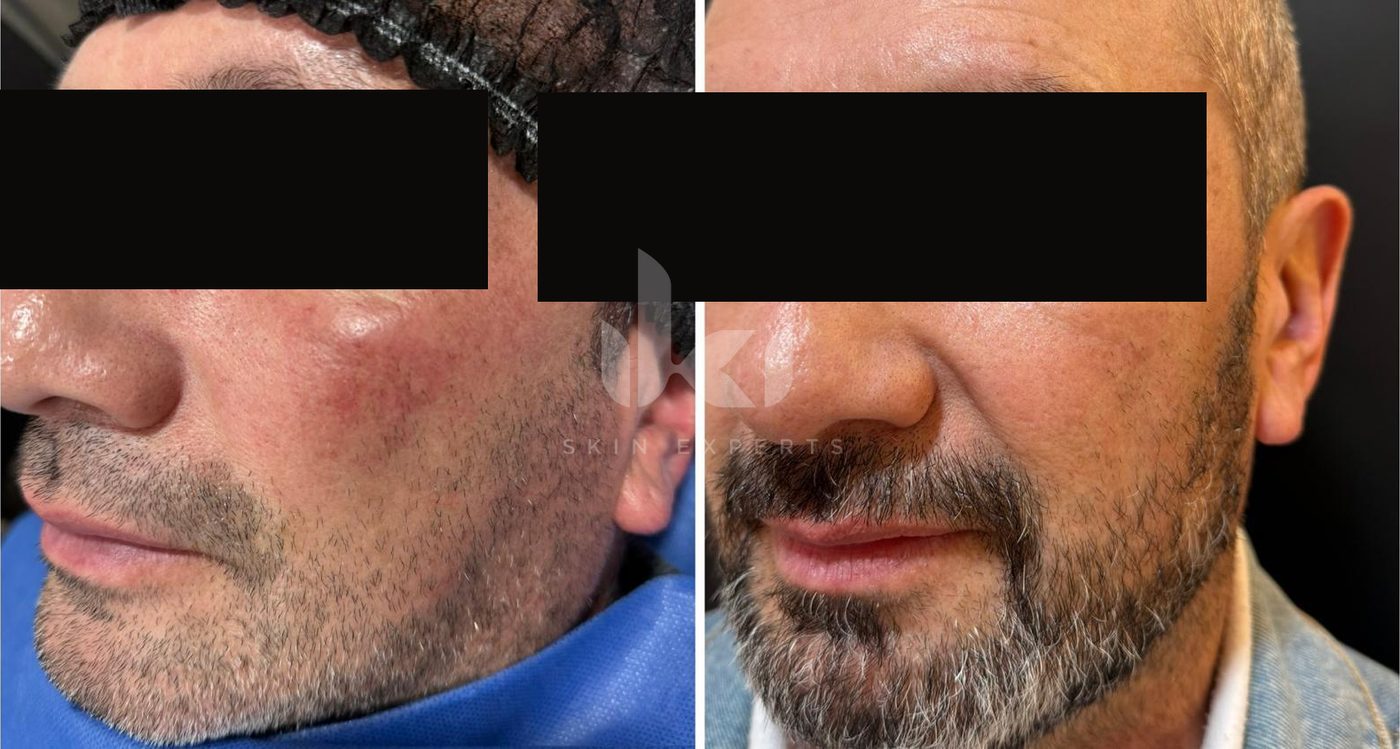
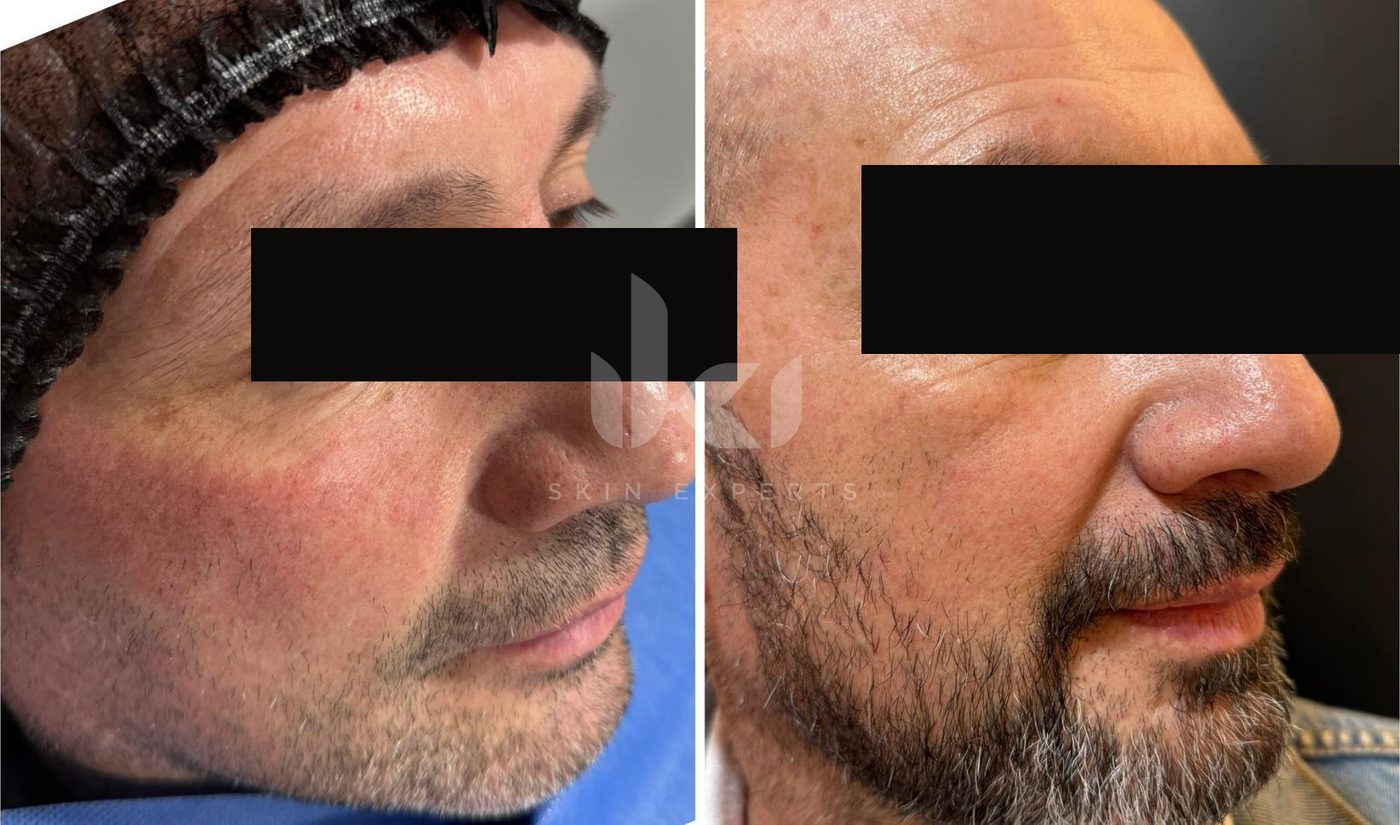
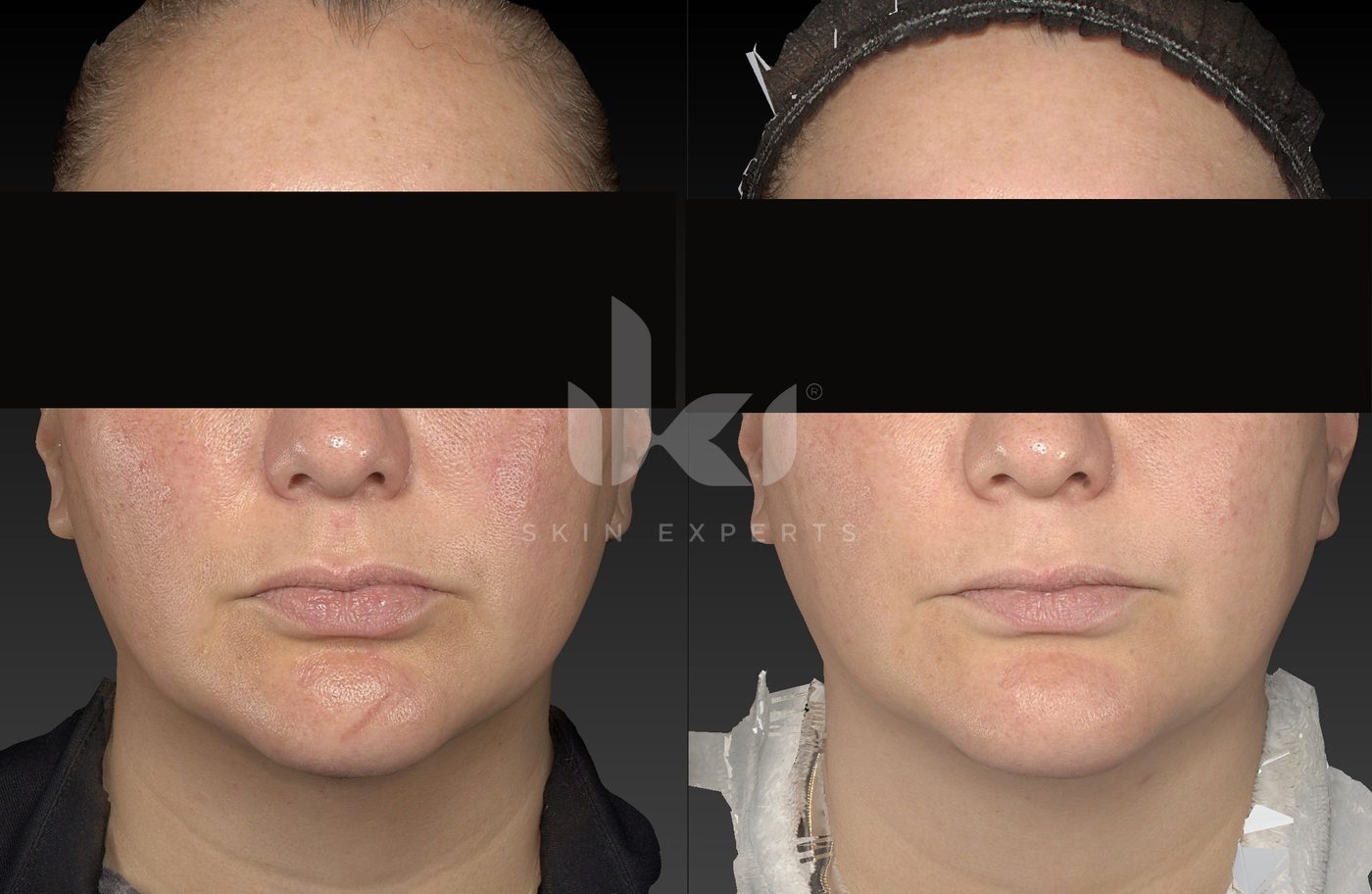
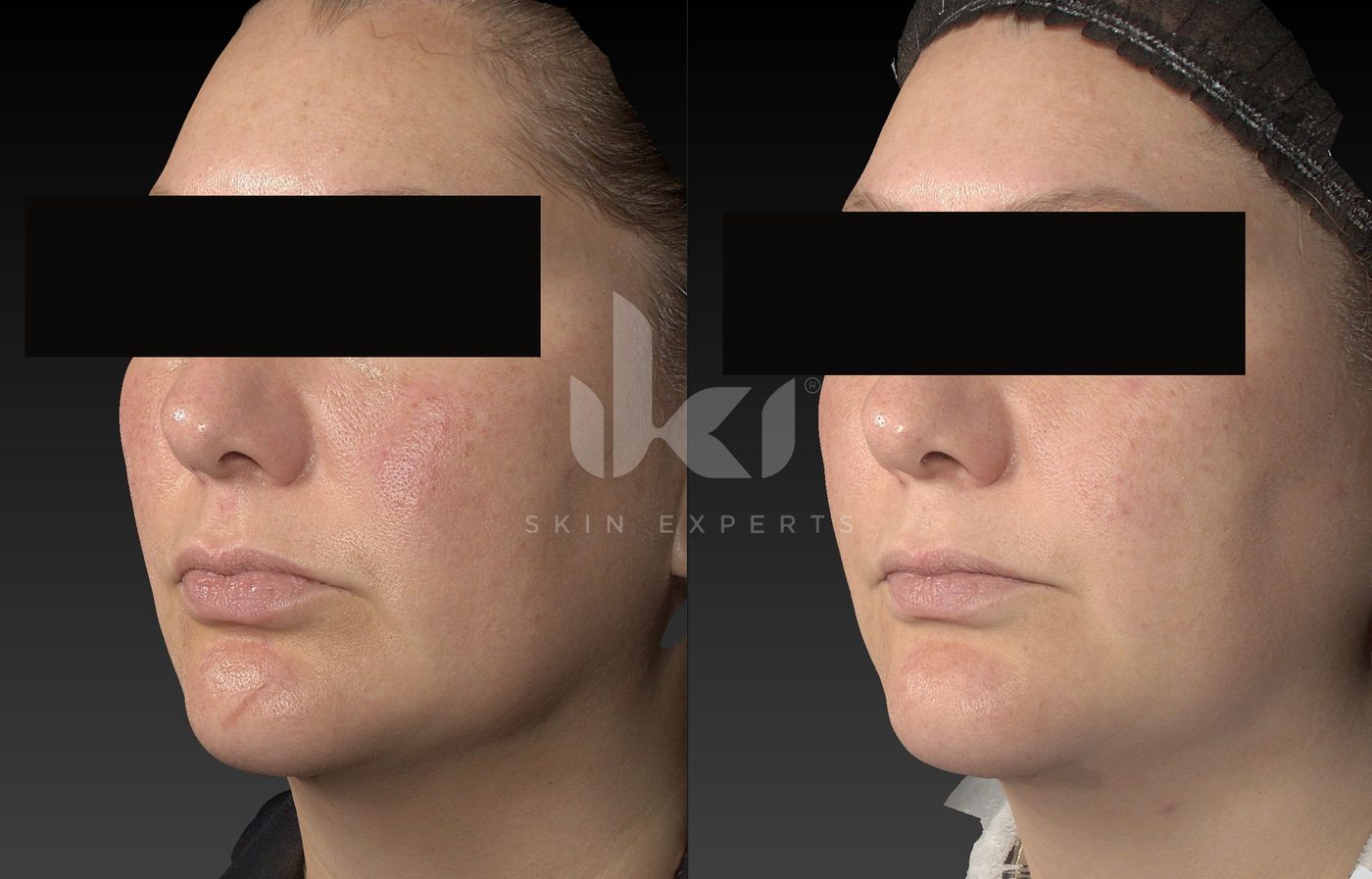
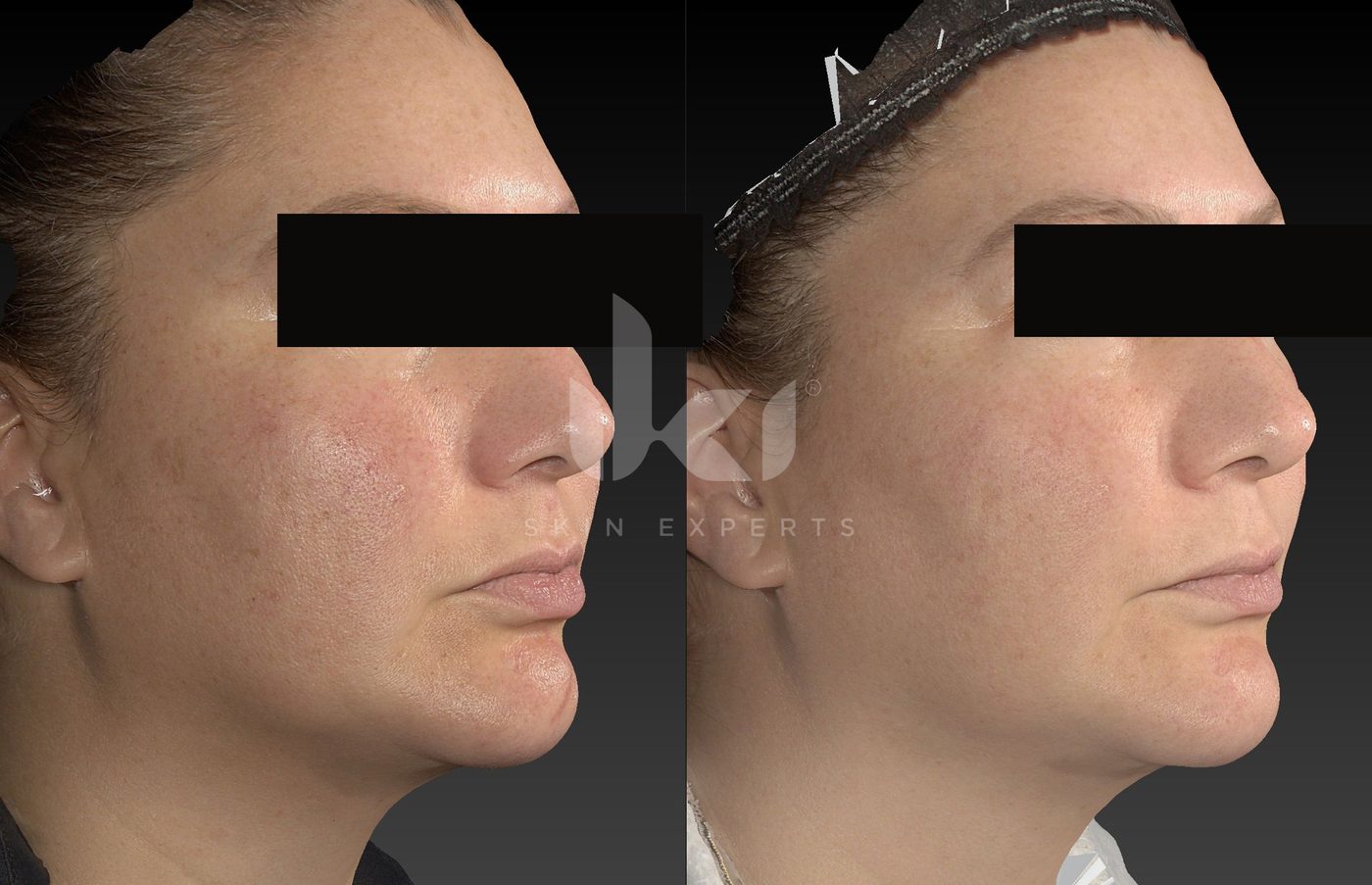

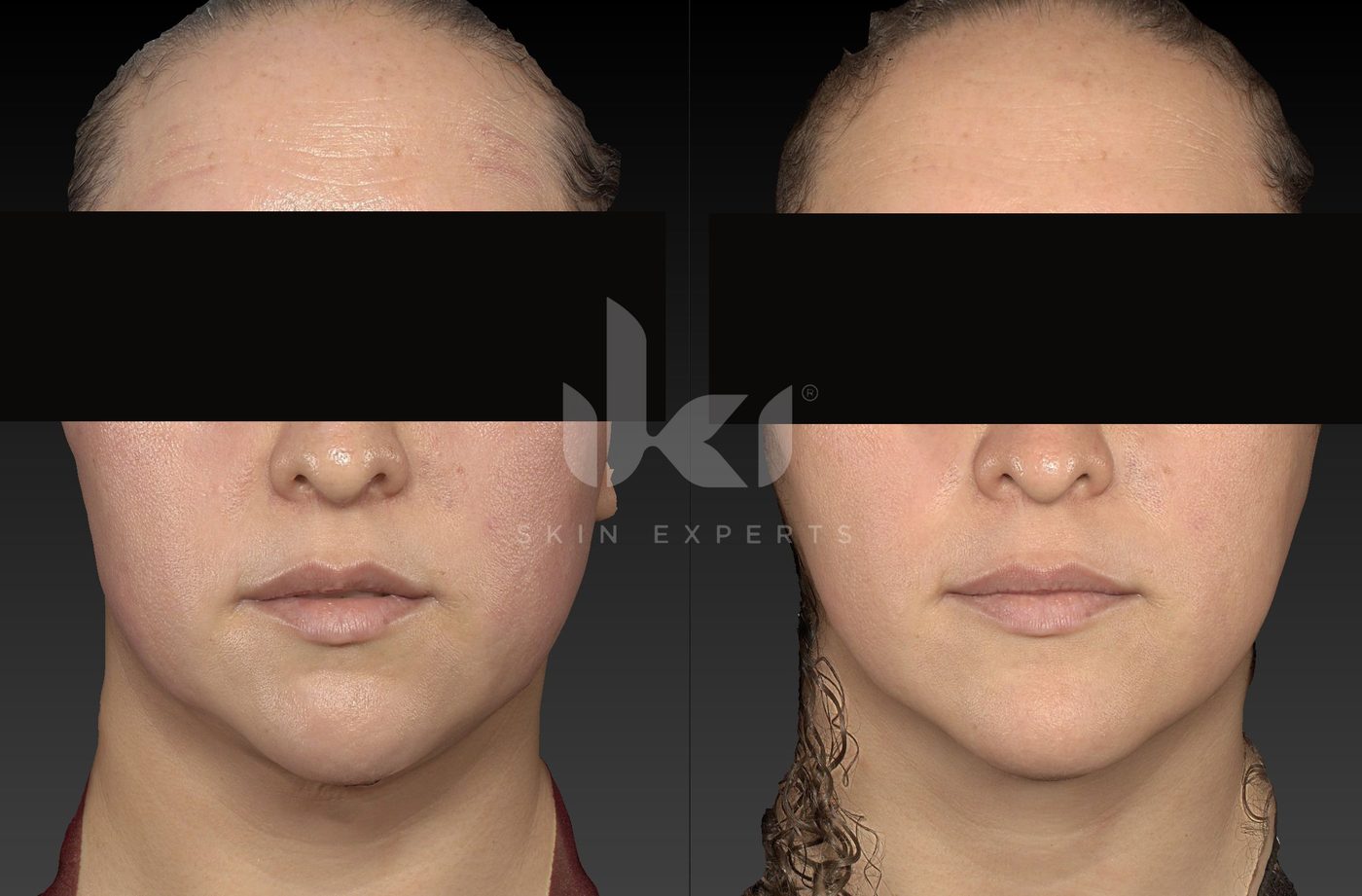
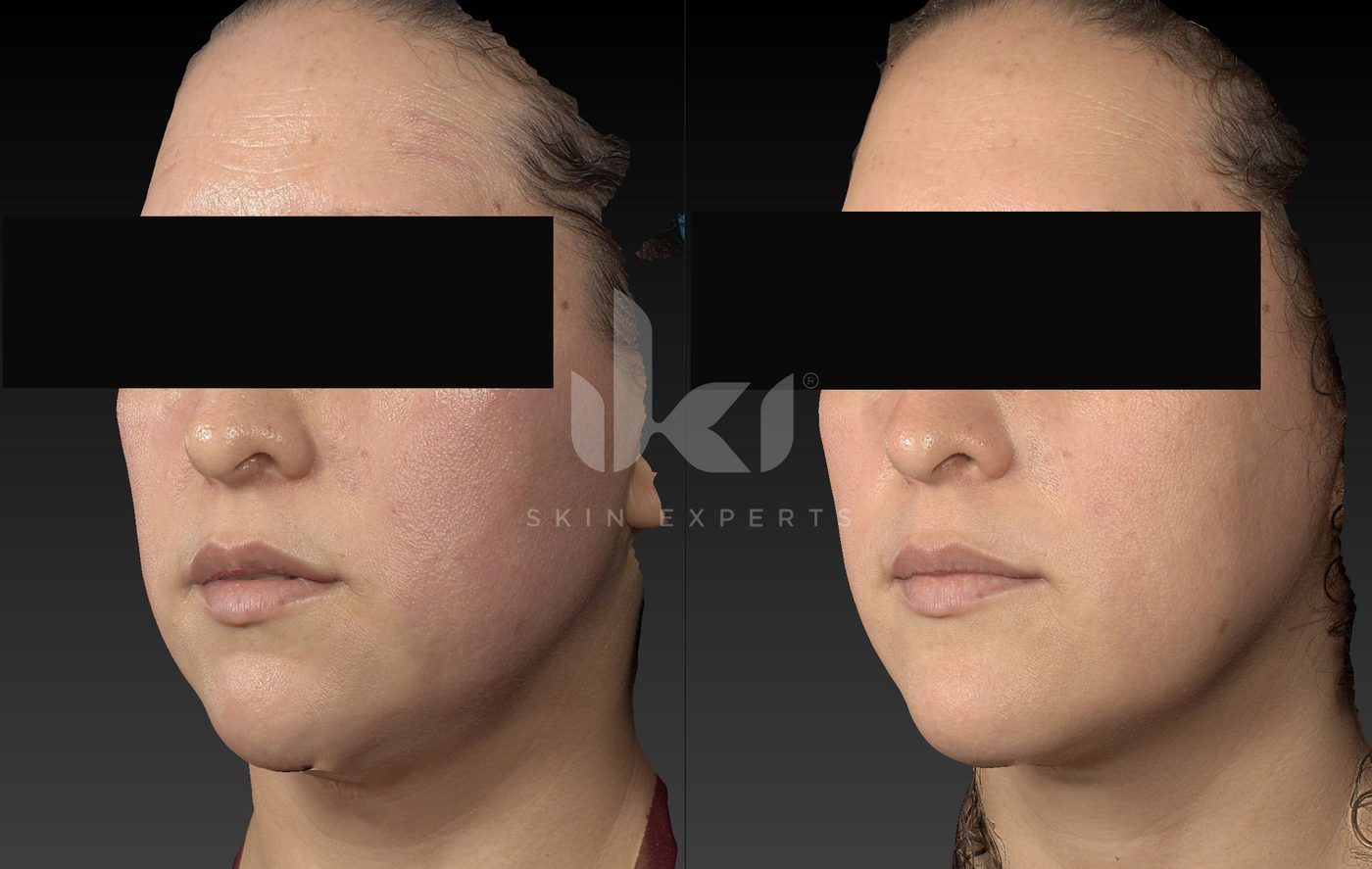
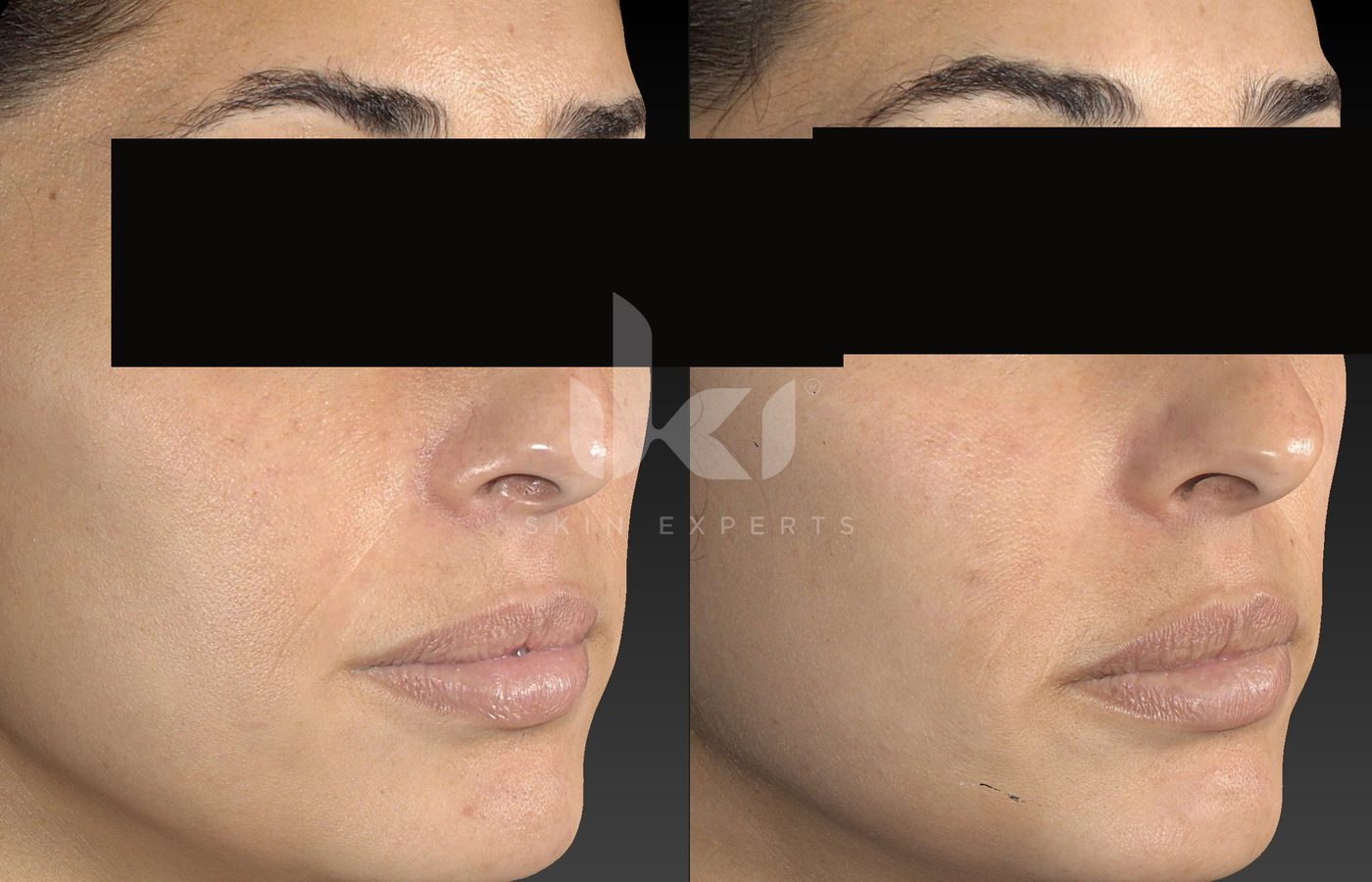
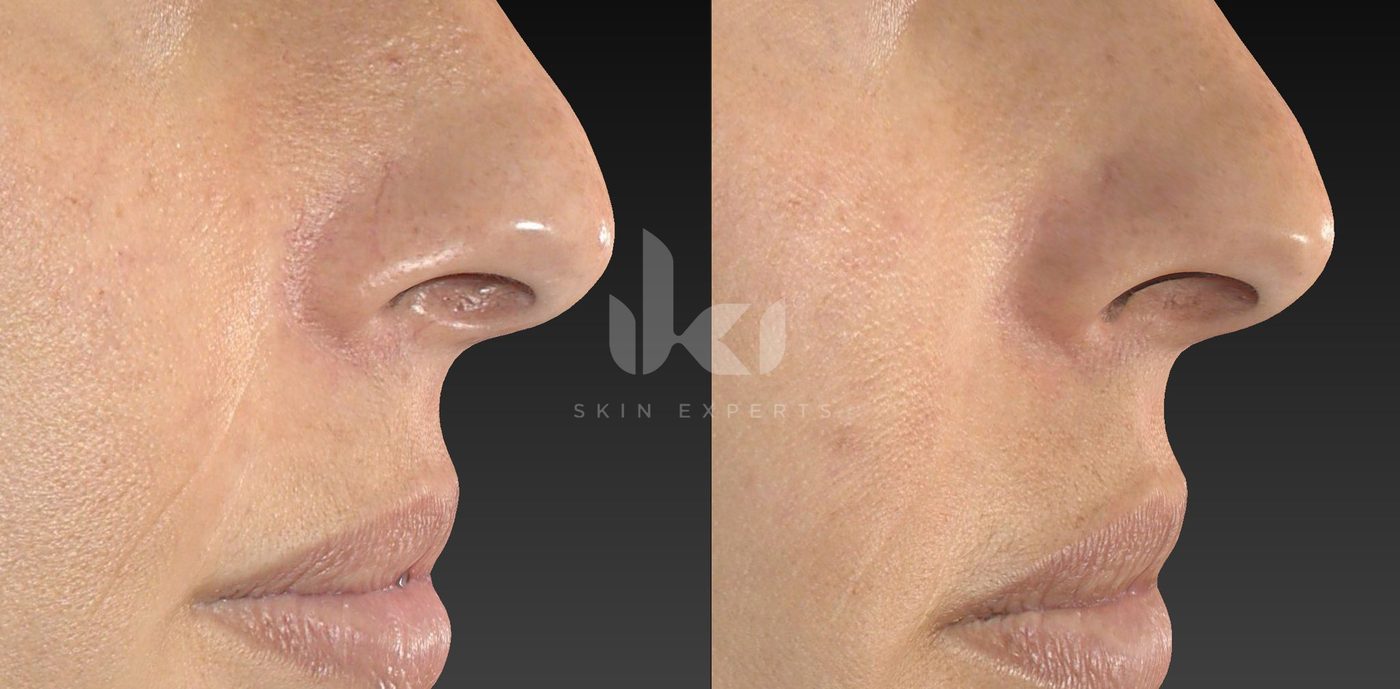
Photos of patients treated at iki, published with their authorization and with their identity covered. Each case had its own diagnosis and plan; the exact treatment may combine several techniques. Results vary from patient to patient. See all cases.
IPL for rosacea is an intense pulsed light treatment absorbed by the hemoglobin in blood vessels, which helps reduce diffuse redness and fine vessels on the face. At iki it is done on the Stellar M22, in an initial series of 3 sessions a few weeks apart. Rosacea isn’t cured · it’s controlled, and IPL usually needs maintenance.
- Session length
- 30–60 min depending on the area
- Sessions
- Initial series of 3 · then maintenance
- Interval
- 3–4 weeks between sessions
- Recovery
- Brief redness · normal activity
- Technology
- Stellar M22 · IPL
- Areas
- Cheeks, nose, chin, forehead, neck
Who it’s for · and who it isn’t
Indicated when
- Rosacea with persistent redness on the cheeks, nose or chin
- Fine visible vessels alongside diffuse redness
- Easy flushing with heat, exercise or temperature changes
- Stable rosacea, without an active inflammatory flare-up
Not the right time if
- Active papules and pustules · they are controlled first with medical management, then IPL is assessed
- Tanned skin or recent intense sun exposure
- Pregnancy or breastfeeding
- Thickening of the nose or eye symptoms · these need a different approach and, for the eyes, an ophthalmology evaluation
The physician makes the final indication at the consultation. Results vary from patient to patient.
What an IPL session for rosacea looks like at iki
Before the device is switched on, we define the type of rosacea and whether the skin is ready. The plan is led by iki’s medical team, founded by Dr. Urbani, physician specialized in sensitive and reactive skin.
Assessing your type of rosacea
We identify whether redness, vessels, inflammatory bumps or thickening dominate, review your skin type (Fitzpatrick) and identify your own triggers: sun, heat, alcohol, stress or products.
Calm before treating
If there is an active flare-up, the skin is stabilized first with medical treatment and a routine. IPL is applied to calm skin, because on inflamed skin it works less well and is more uncomfortable.
Settings for your skin
The skin is cleansed, the eyes are protected, a cold gel is applied and the physician adjusts the filter, energy and number of pulses. Depending on the size of the area, the session is 60, 120 or 180 pulses.
Finish and written plan
The area is soothed, sunscreen is applied and aftercare is given in writing. The next session is scheduled based on how your skin responds.
What it offers
Less diffuse redness
The light is absorbed by surface vessels and helps tone down the redness of the cheeks and nose.
Fine vessels less visible
It acts on small vessels. Thicker, more defined vessels respond better to Nd:YAG.
Less flushing
Many patients notice their face flushes less easily with heat or exercise.
No downtime
Redness afterward usually fades within hours or a few days, and you resume normal activity.
Technology with an indication
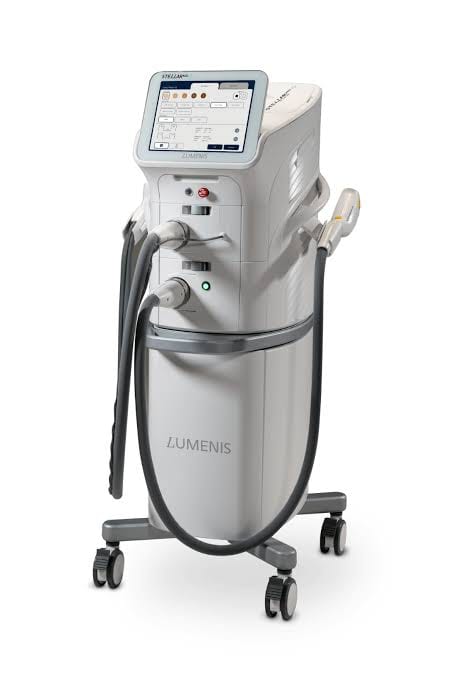
Stellar M22 · IPL
The Stellar M22 is a light and laser platform with several modules. Its IPL emits pulsed light through filters that direct it to the hemoglobin in surface vessels, which makes it useful for diffuse redness. The same device includes Nd:YAG, which the physician adds when there are thicker vessels. It was chosen for that versatility: one device, several targets.
Results and aftercare
Improvement is usually gradual: redness goes down session by session and fine vessels become less visible. Rosacea doesn’t go away · it’s controlled. Sun, heat or stress can bring the redness back, which is why the plan includes maintenance, often one or two sessions a year depending on how it evolves. And once it’s under control · you can live with it calmly.
Aftercare after the session
- Avoid the sun and use daily sunscreen, reapplied
- A gentle cleanser and a soothing cream, with no exfoliants or acids for the first few days
- Avoid intense heat, saunas, alcohol and very spicy food if they are triggers for you
- Don’t rub the treated area
- Contact us if a blister, scab or redness that doesn’t ease appears
Results vary from patient to patient.
Pairs well with
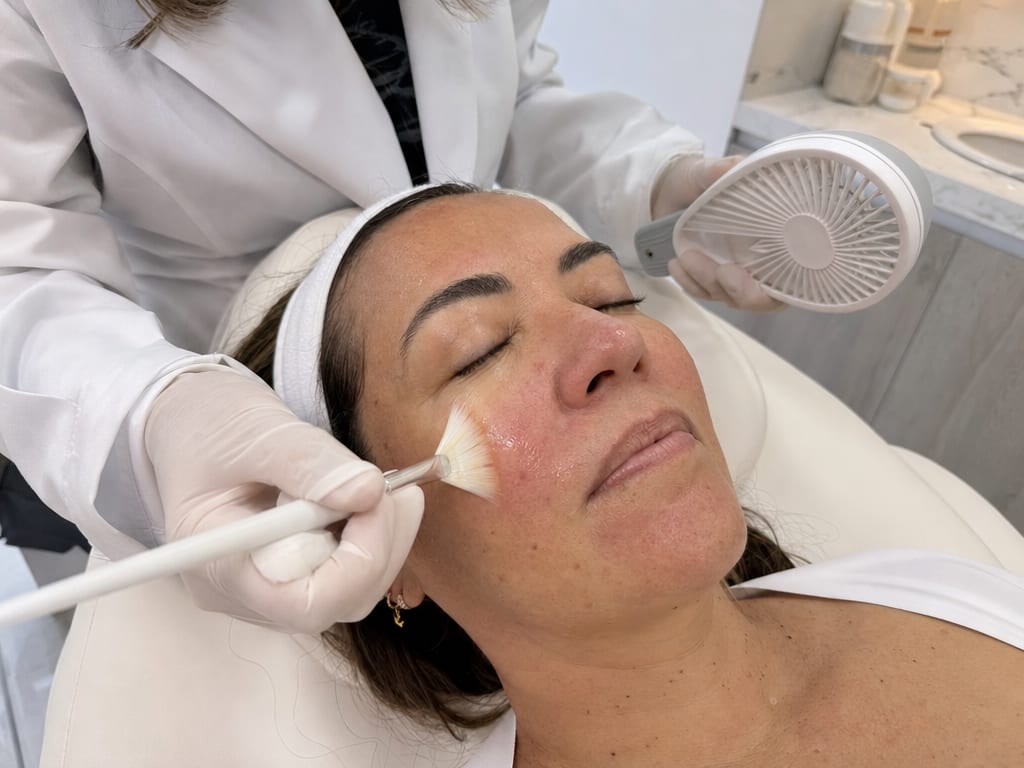 Rosacea and facial veins
Chemical peel for rosacea
A chemical peel for rosacea is a gentle peel designed for reactive skin. It helps reduce how often and how strongly flare-ups…
See treatment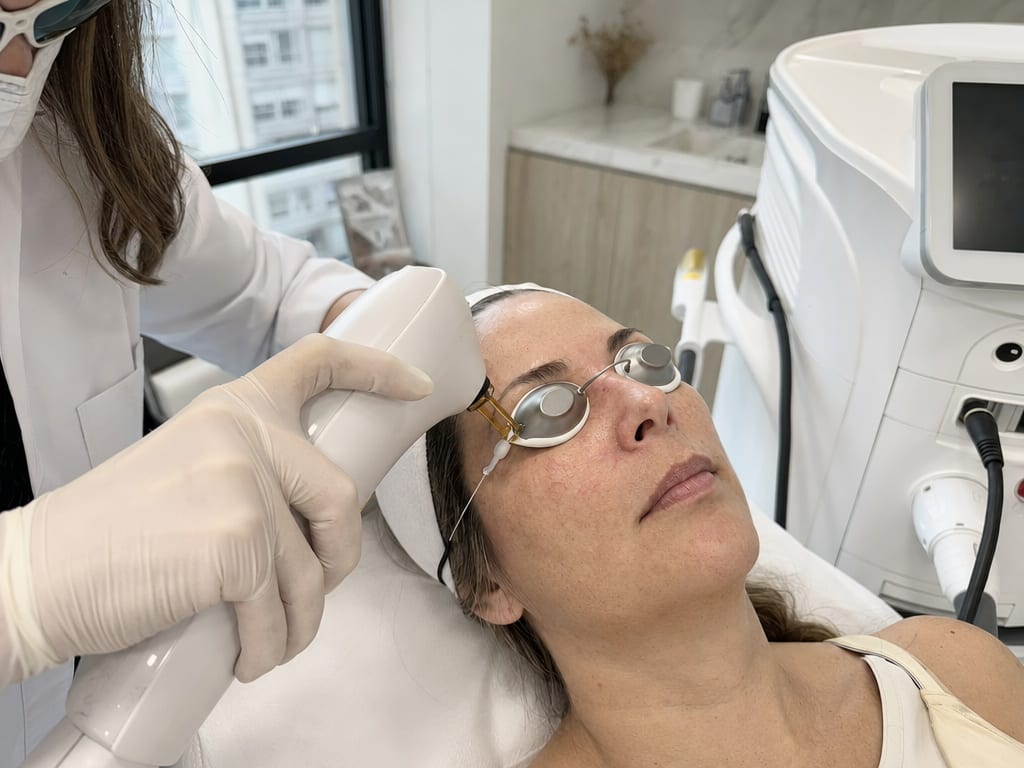 Rosacea and facial veins
Nd:YAG for telangiectasias
Telangiectasias are small dilated blood vessels visible on the nose and cheeks, often linked to rosacea or sun damage. The Nd:YAG…
See treatmentFrequently asked questions
Does IPL cure rosacea?
No. Rosacea is a chronic condition · it isn’t cured, it’s controlled. IPL helps reduce diffuse redness and fine vessels, and helps your face flush less easily. Keeping the result depends on sunscreen, your routine, avoiding triggers and maintenance sessions.
Does IPL help when rosacea causes bumps?
It isn’t the first tool. The papules and pustules of inflammatory rosacea are controlled first with medical treatment, topical or oral, and sometimes with a gentle peel such as azelaic acid. Once the skin is calm, IPL works on the background redness that remains.
How many sessions are needed?
We usually start with a series of 3 sessions, spaced 3 to 4 weeks apart. Some skin needs one or two more. Then you move to maintenance, often one or two sessions a year, depending on how your rosacea behaves. The physician adjusts the plan at each follow-up.
Does IPL hurt?
It feels like a hot snap, similar to a rubber band flicking the skin. The cold gel and the handpiece’s cooling system help make it tolerable. Areas next to the nose tend to be more sensitive. Afterward there may be redness and warmth, which fade within hours or a few days.
What’s the difference between IPL and Nd:YAG?
IPL works with broad-spectrum light and is useful for diffuse redness and fine vessels. Nd:YAG is a single-wavelength laser, more precise on defined, thicker vessels. Both are on the Stellar M22 and are often combined in the same session.
Can it be done on darker skin?
With care. On higher skin types the light is also absorbed by the skin’s pigment, which raises the risk of burns or dark spots. That’s why the settings are adjusted cautiously, a test spot is sometimes done first and, in some cases, Nd:YAG is preferred. Tanned skin is never treated.
What about sun exposure?
It’s the most important rule. Before the session there should be no recent tan, and afterward you avoid direct sun and use daily sunscreen, reapplied. In Bogotá UV radiation is high all year, even on cloudy days. Sun is also one of the most common rosacea triggers.
How much does IPL for rosacea cost?
It depends on the size of the area, the number of pulses per session and whether it is combined with Nd:YAG or another treatment. That’s why we don’t give a figure without seeing your skin. At the consultation, which is free and takes 45 minutes, you receive the diagnosis and a written plan with the full price.
Read before your appointment
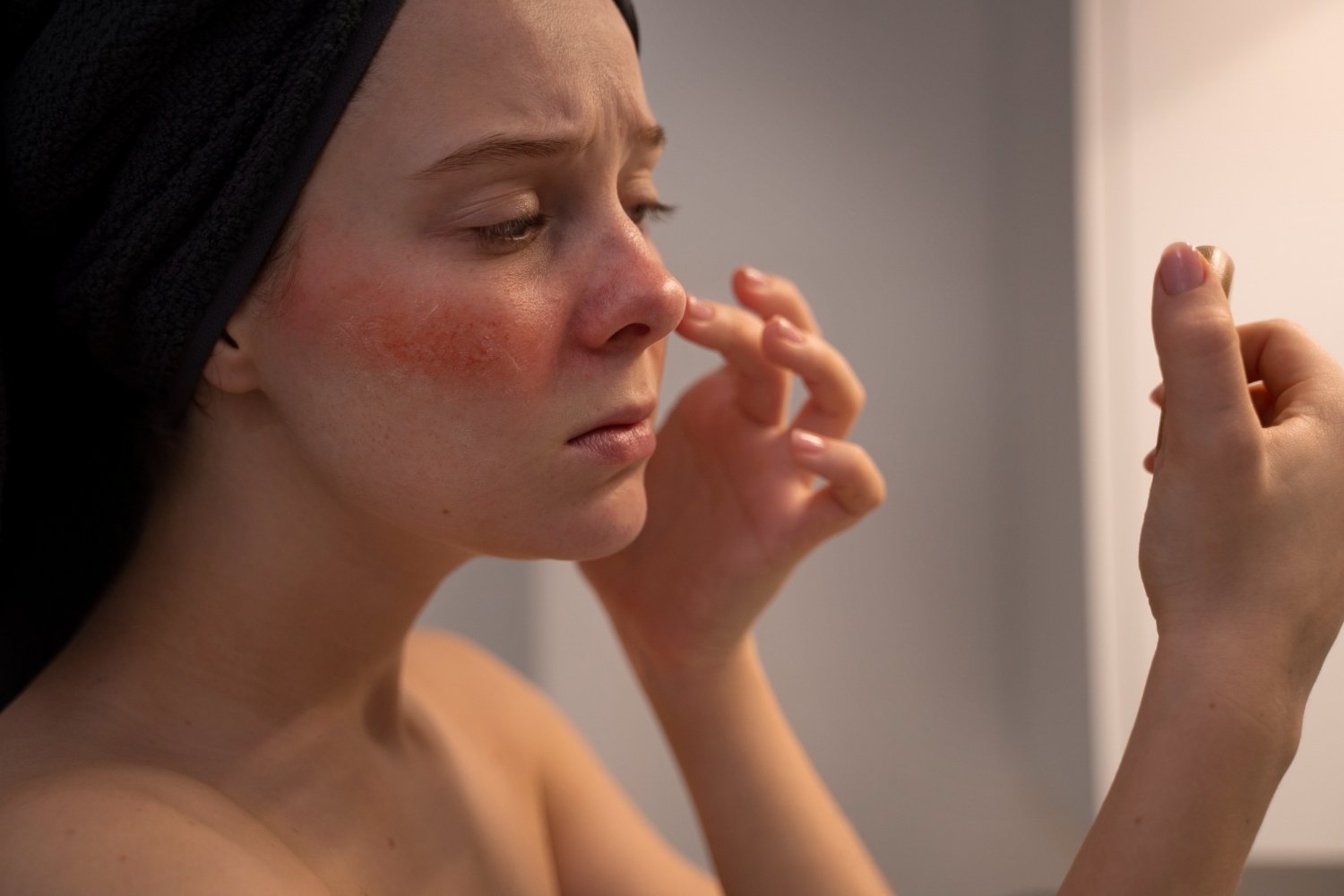
Is IPL for rosacea right for you? · we’ll see at the consultation
Forty-five minutes with a physician, a skin analysis and a written, phased plan with complete prices. You decide afterwards, with no pressure. Living abroad? Start with a virtual consultation.