Chemical peel for rosacea
Rosacea isn’t cured · it’s controlled
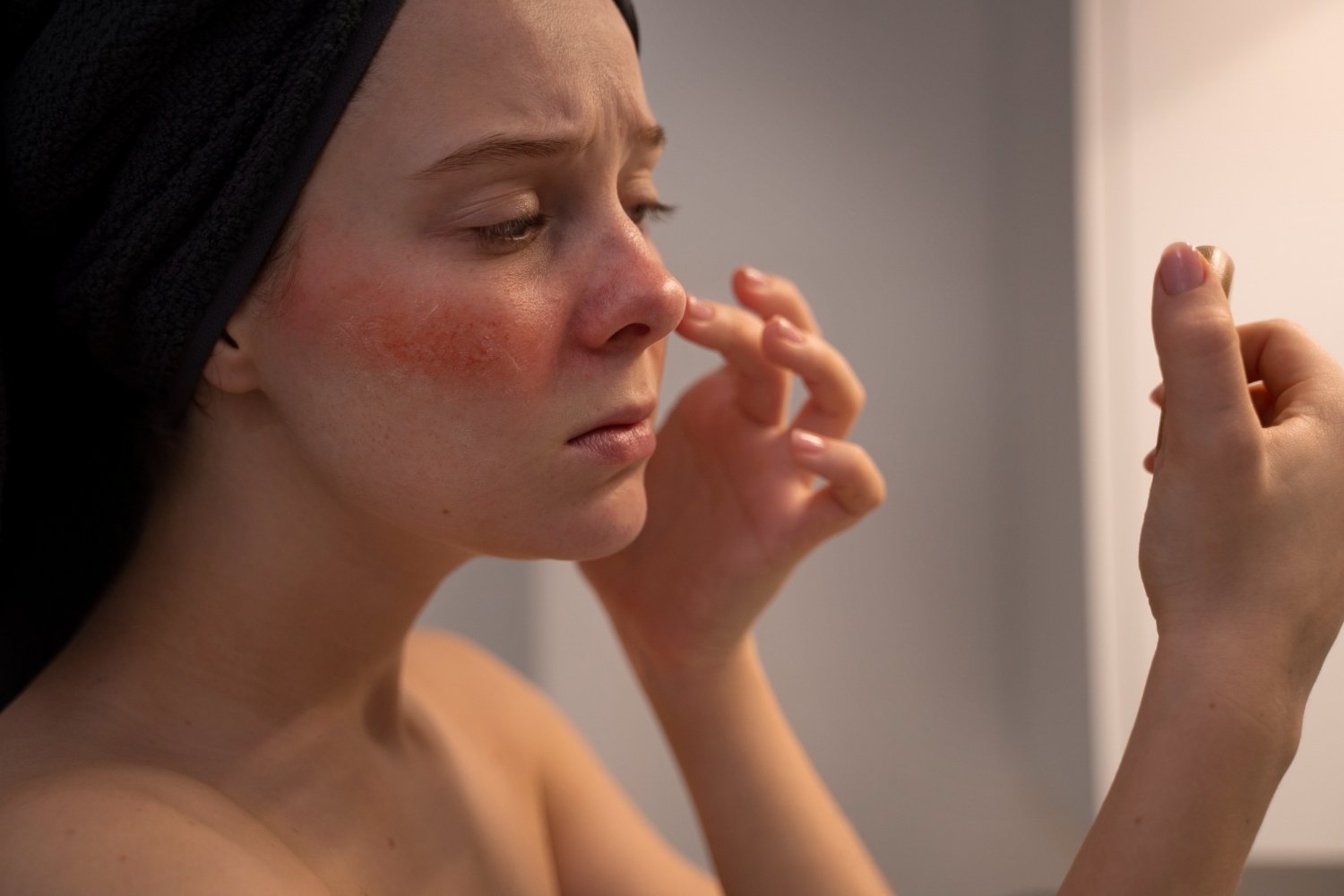
A chemical peel for rosacea is a gentle peel designed for reactive skin. It helps reduce how often and how strongly flare-ups happen, and improves texture. It doesn’t cure rosacea. It is part of a plan that includes a routine, sun protection and identifying your triggers.
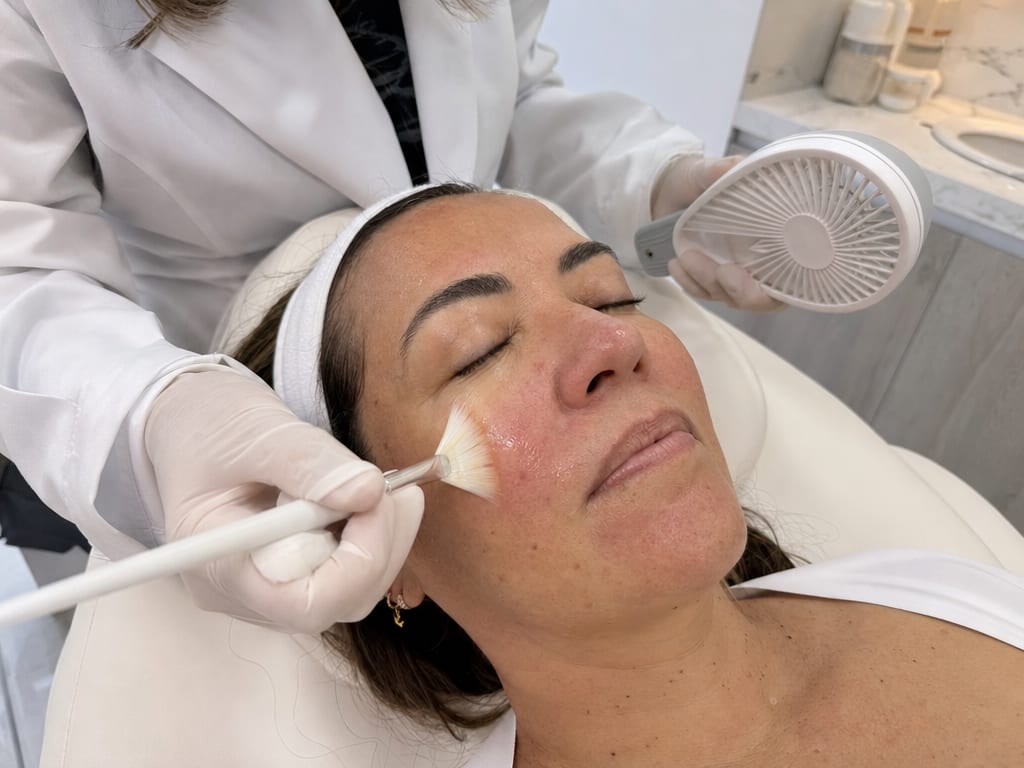
Results in rosacea and facial veins · identity protected
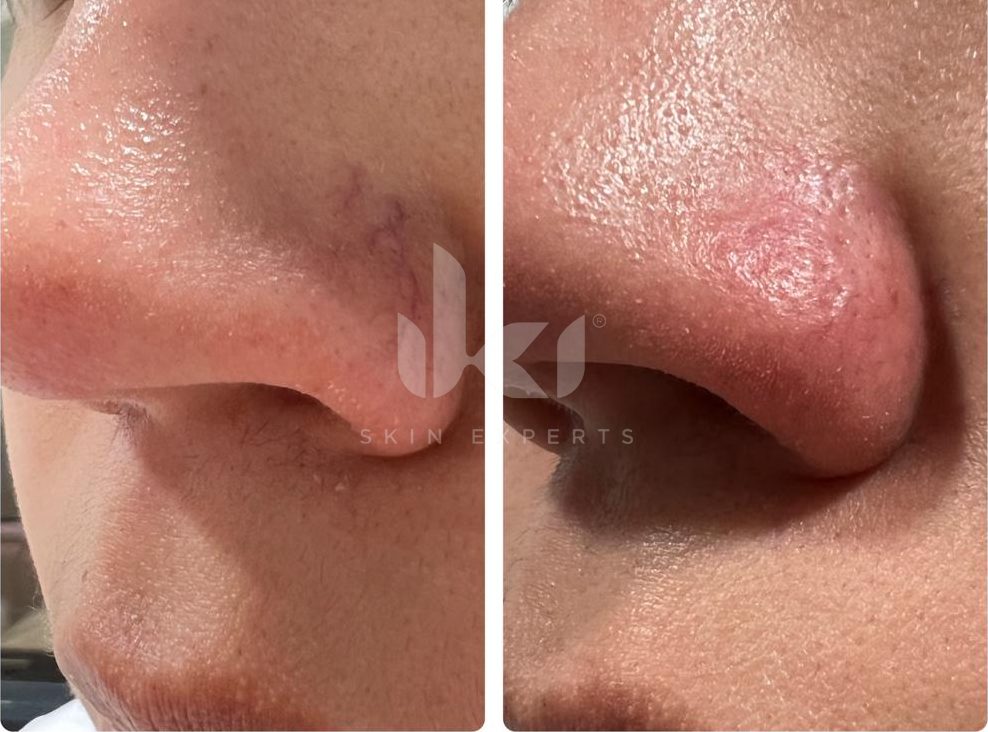
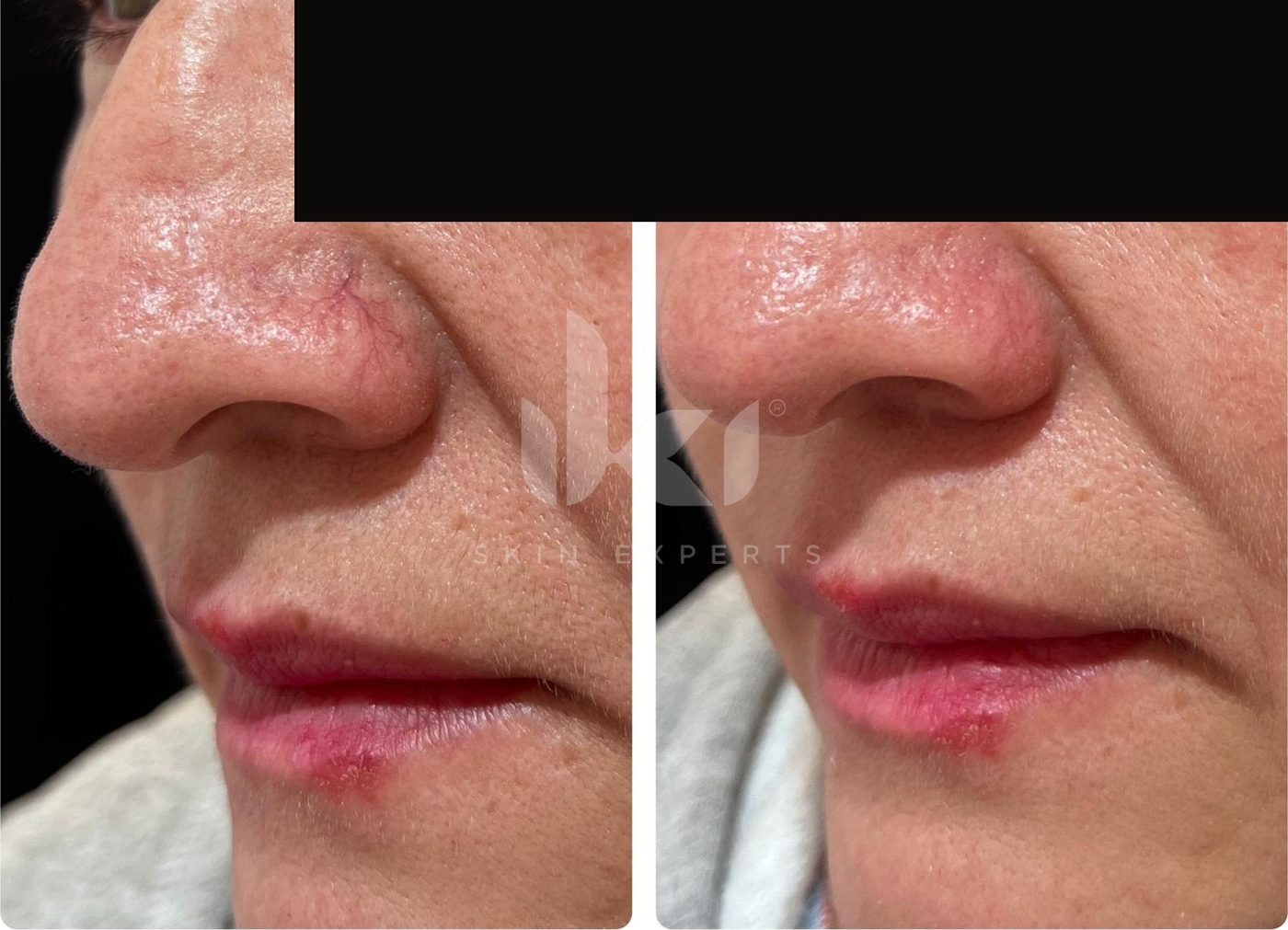
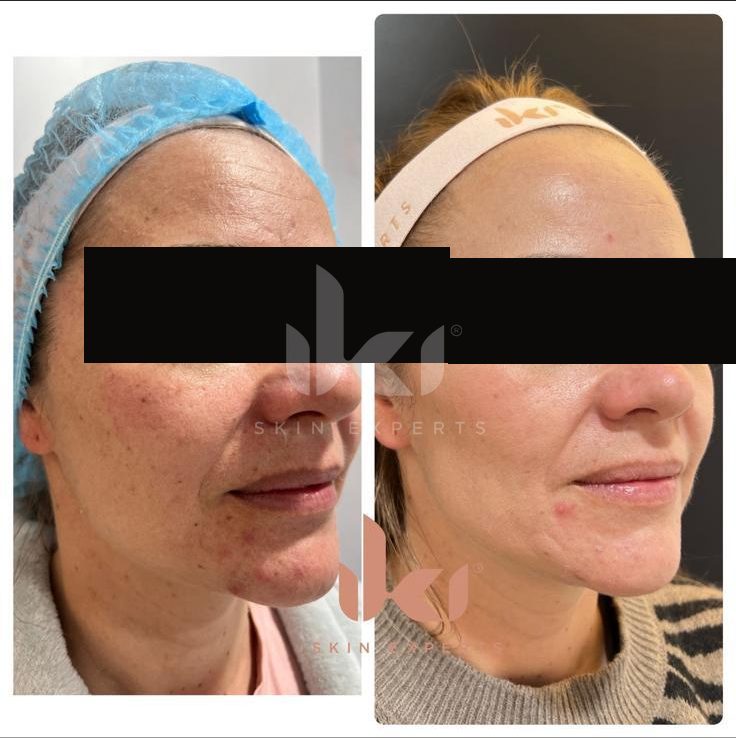
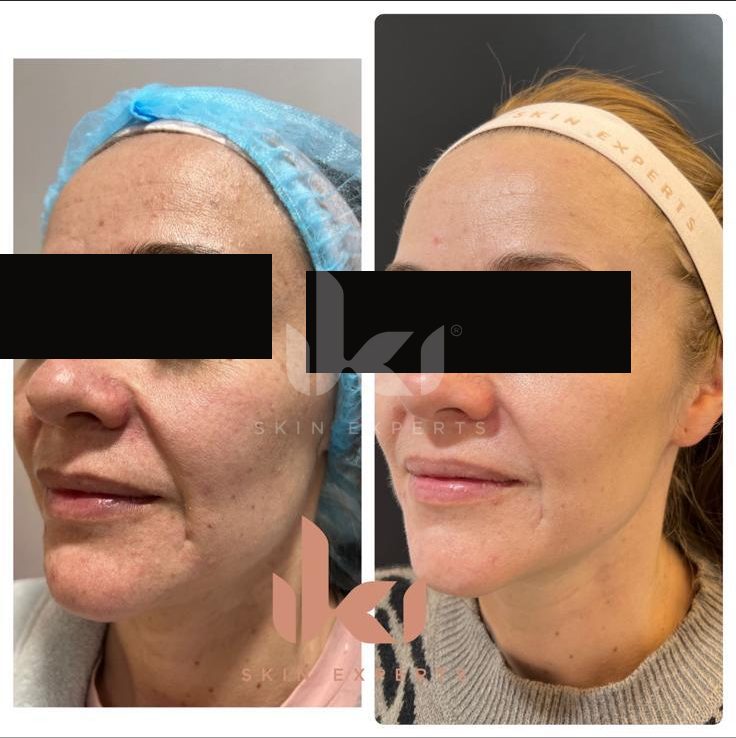
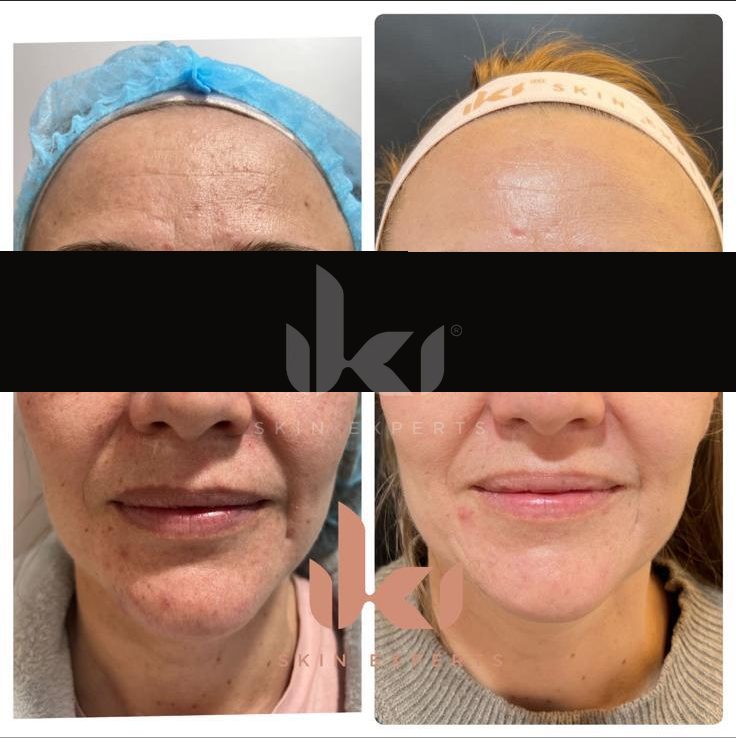
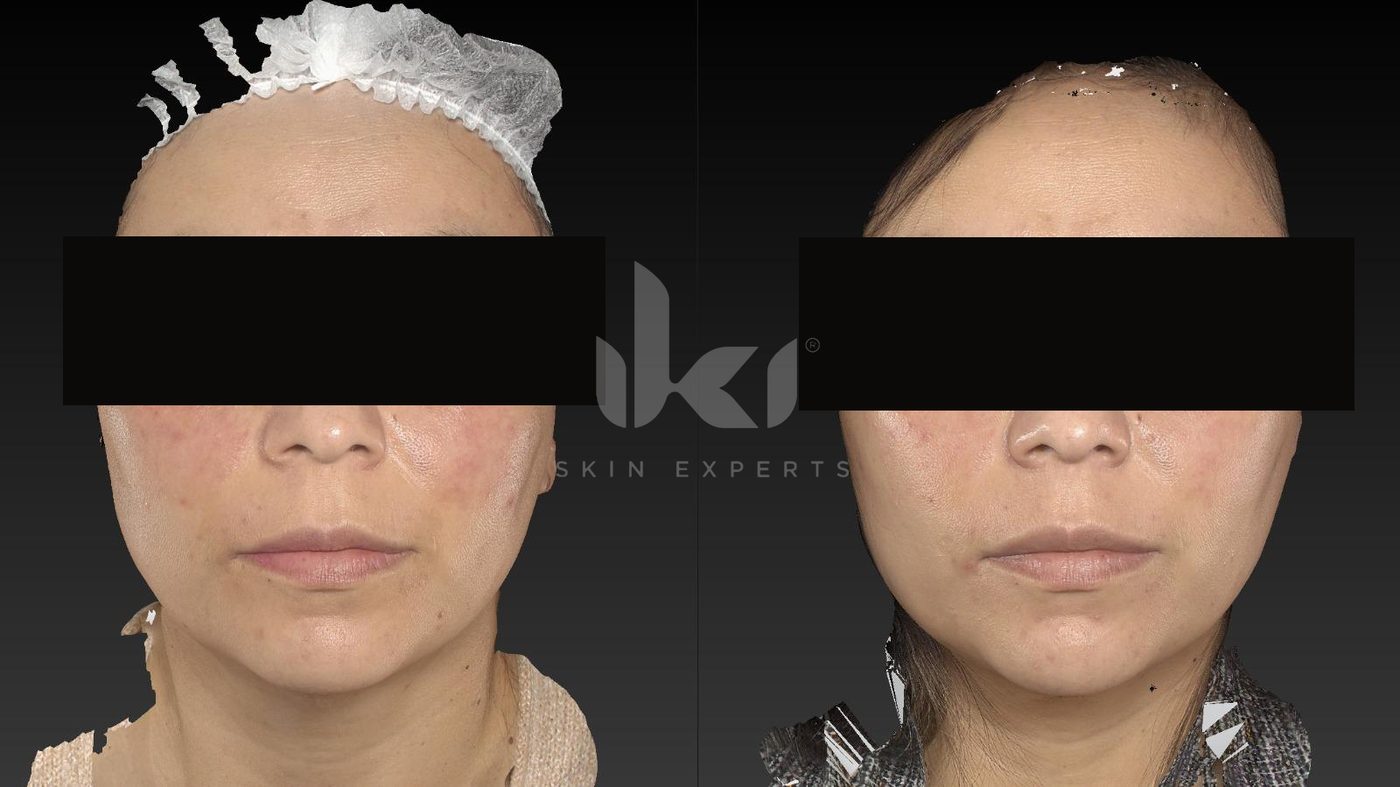
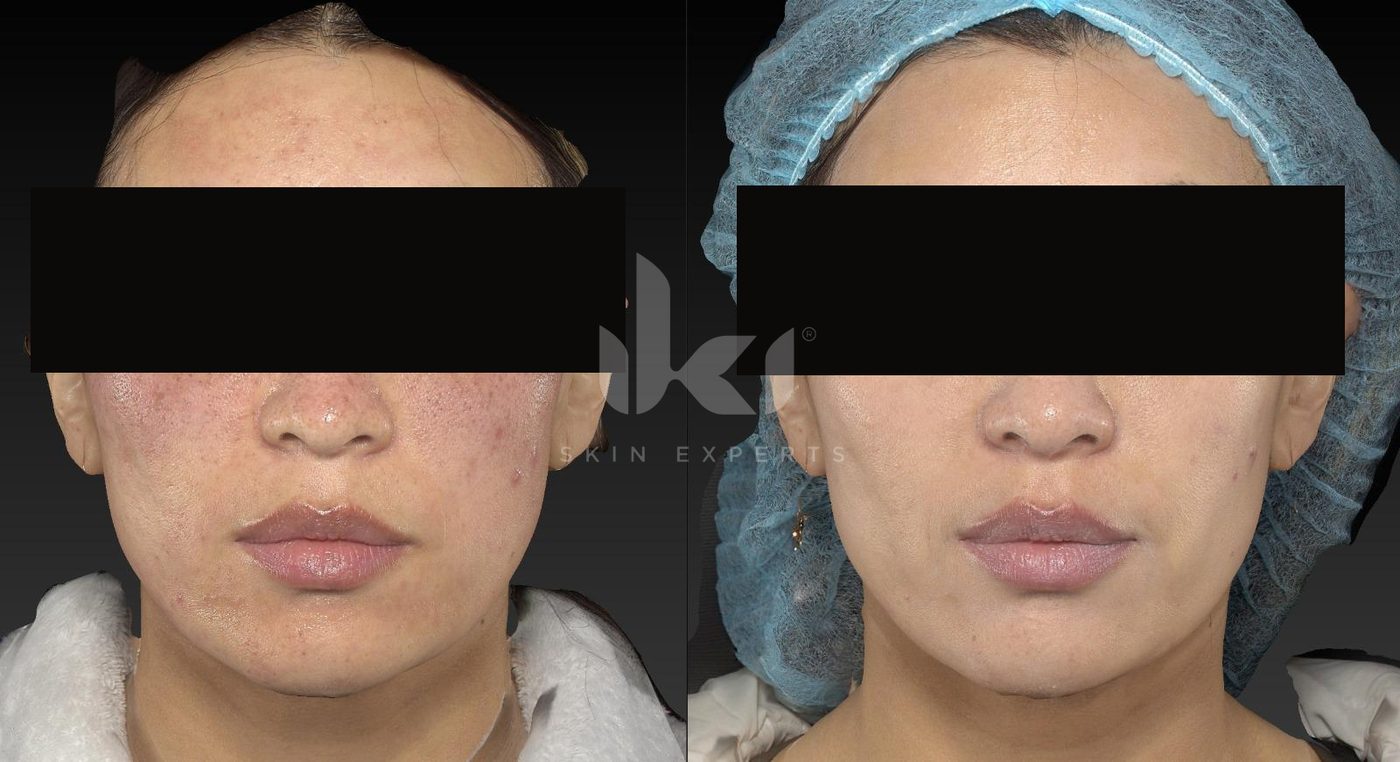
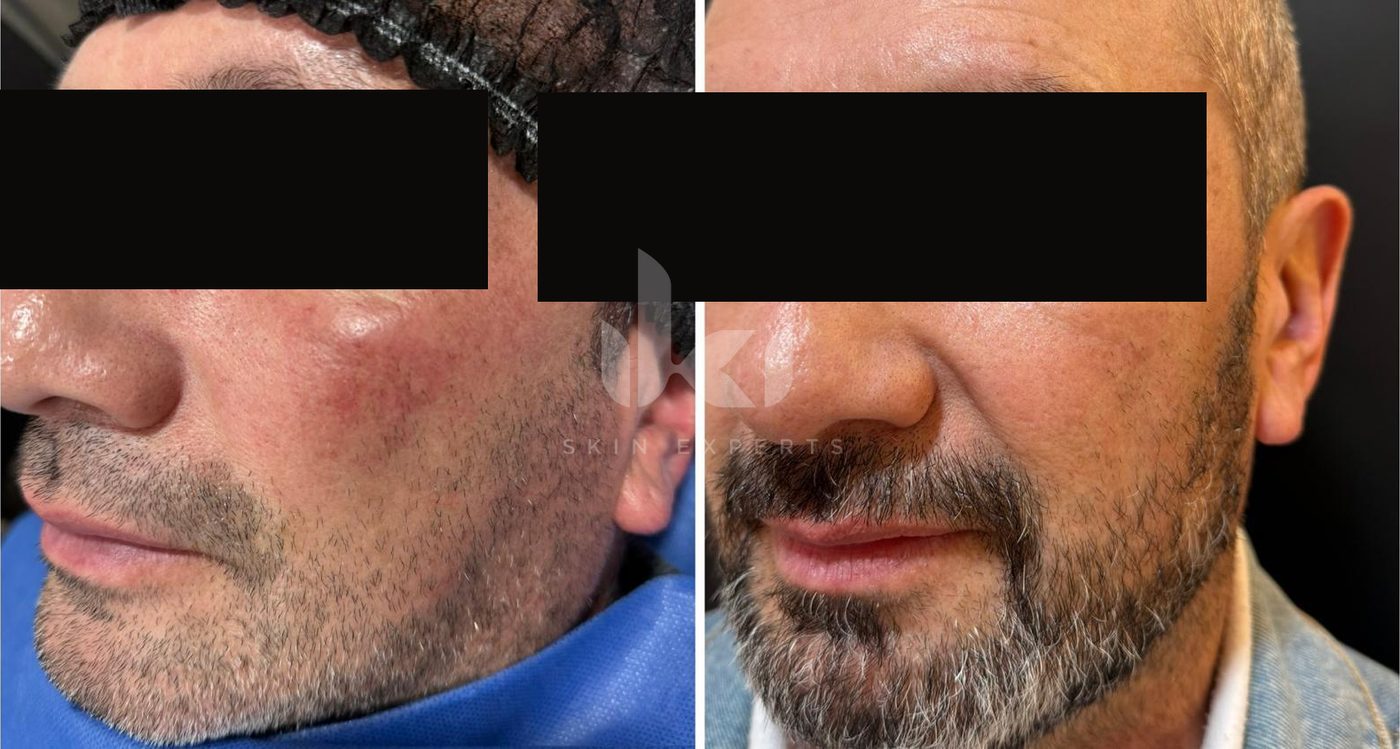
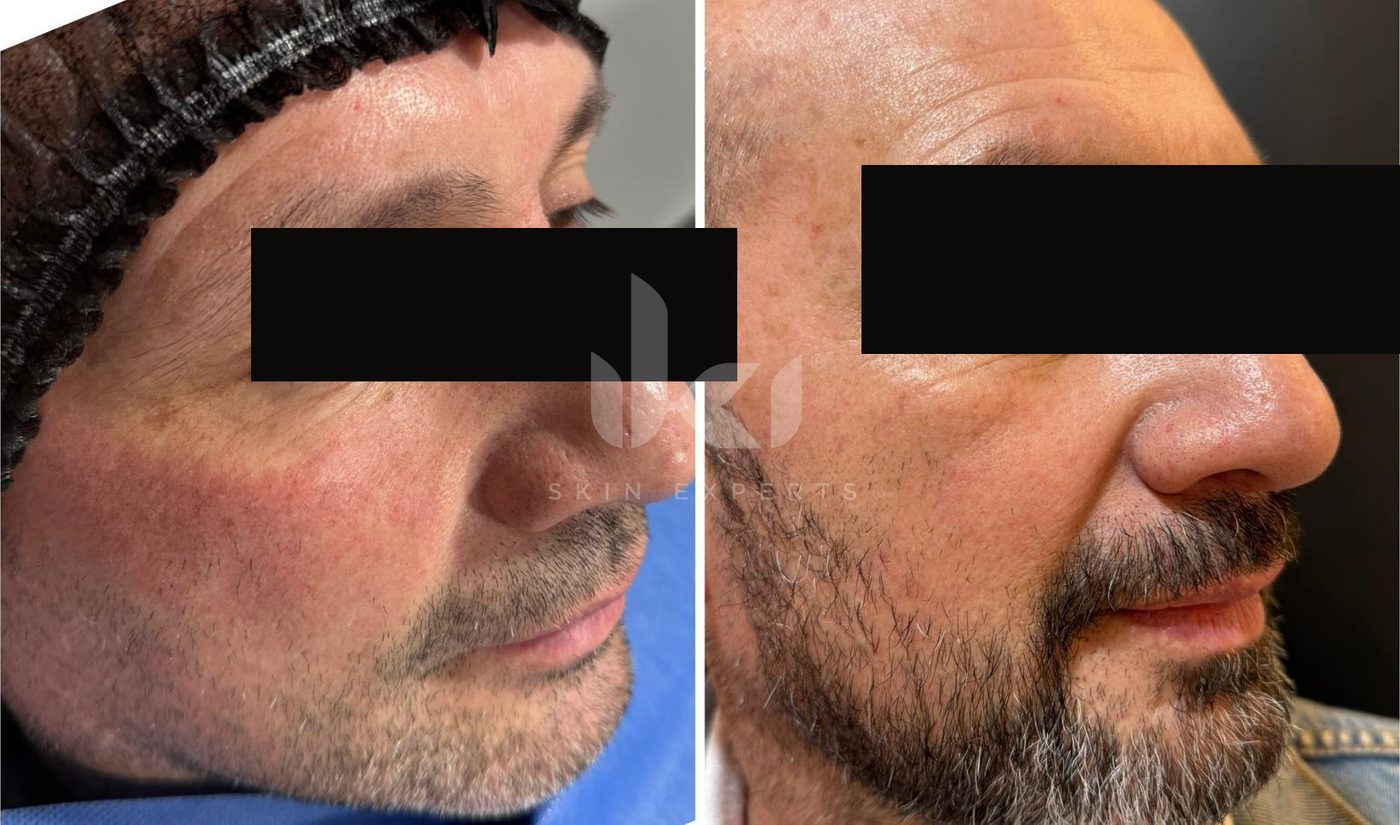
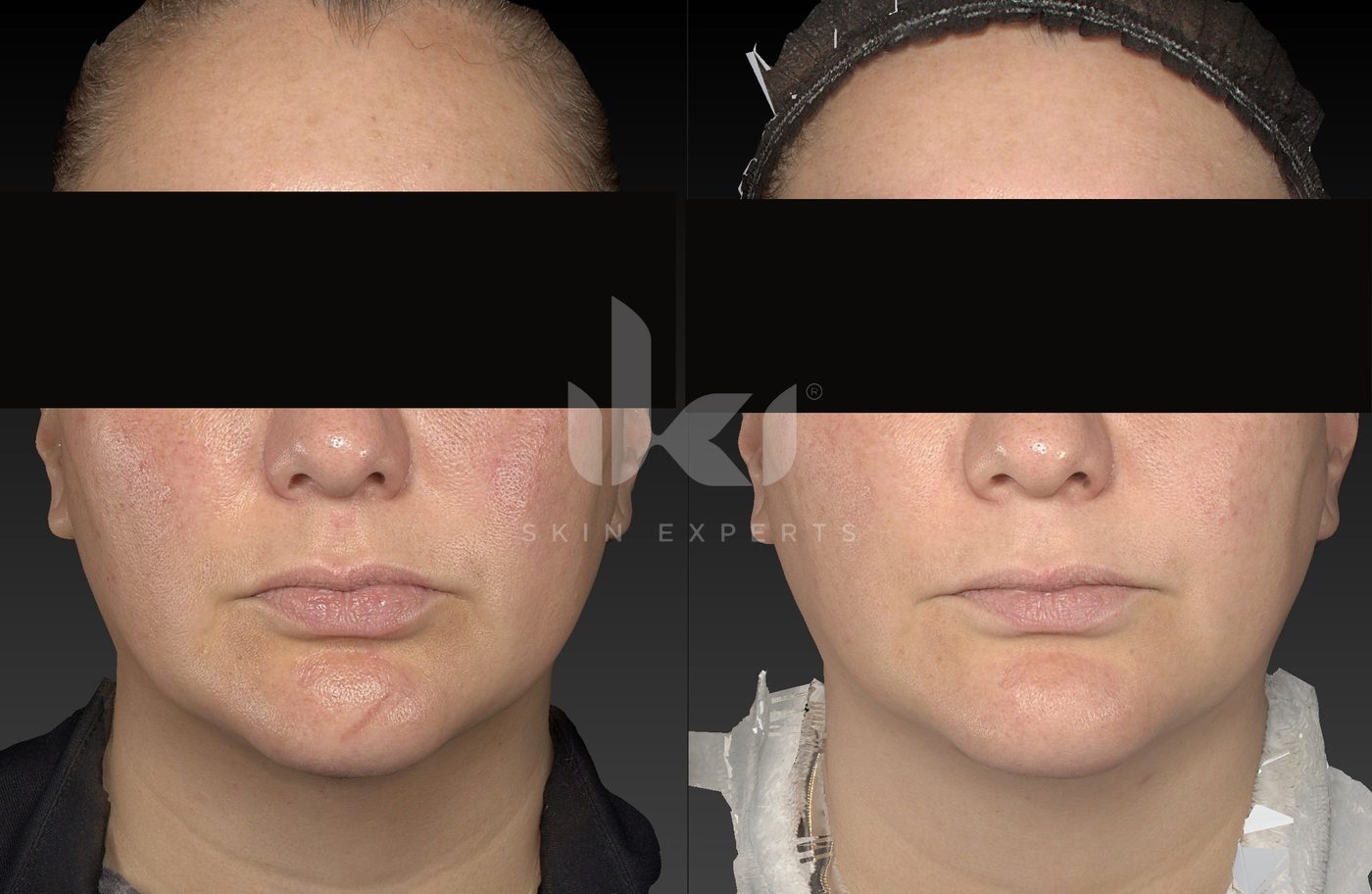
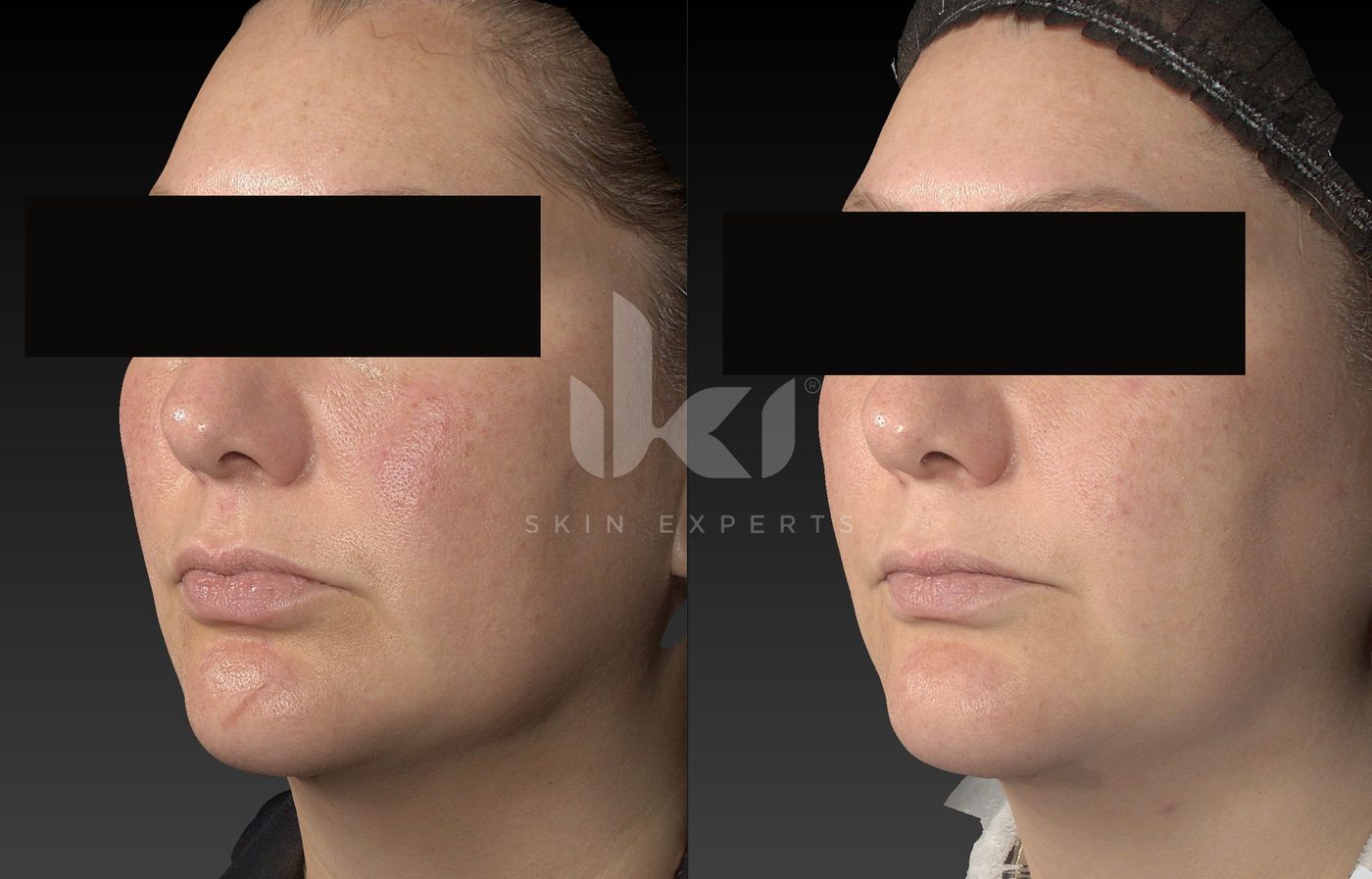
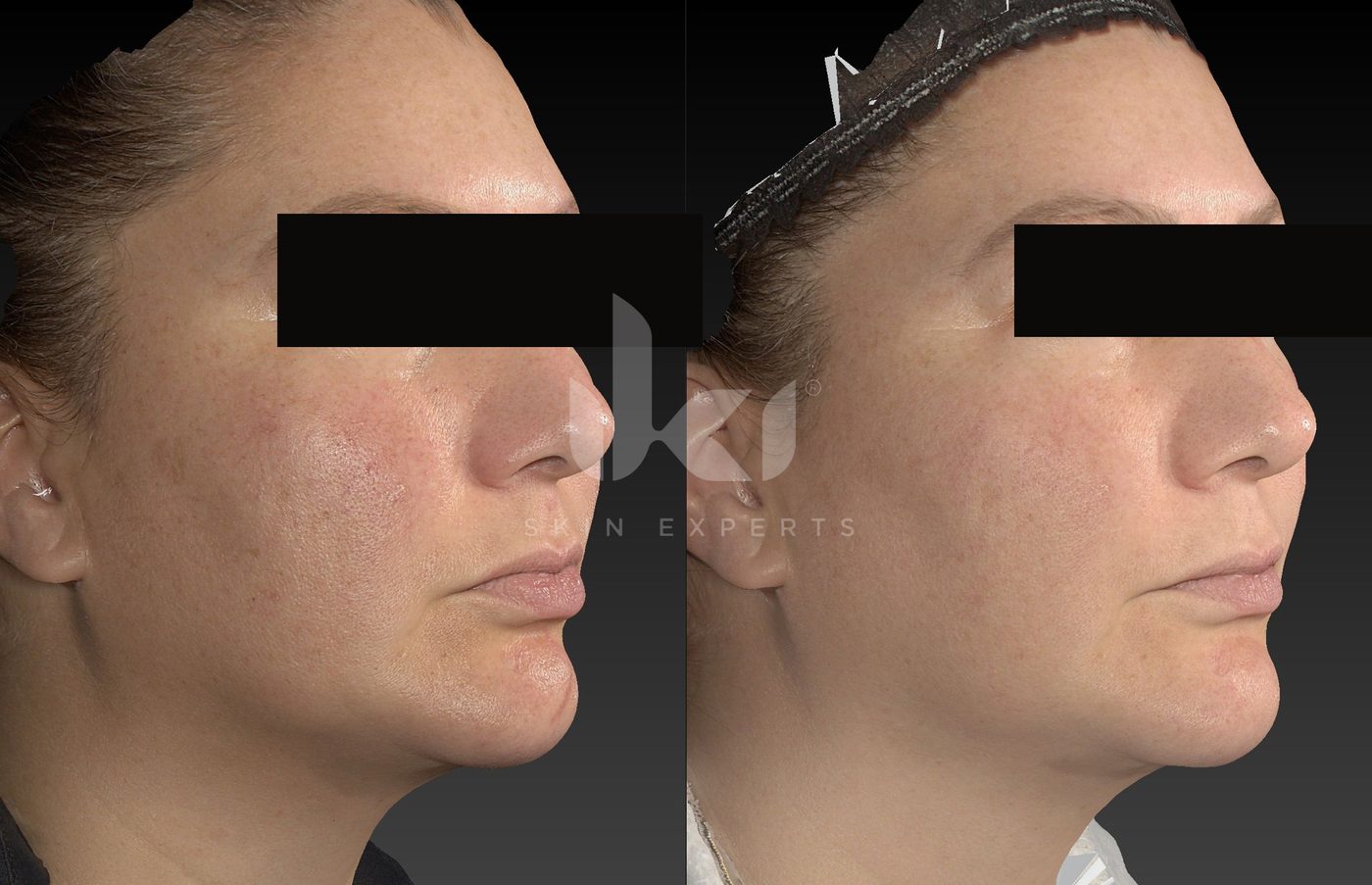

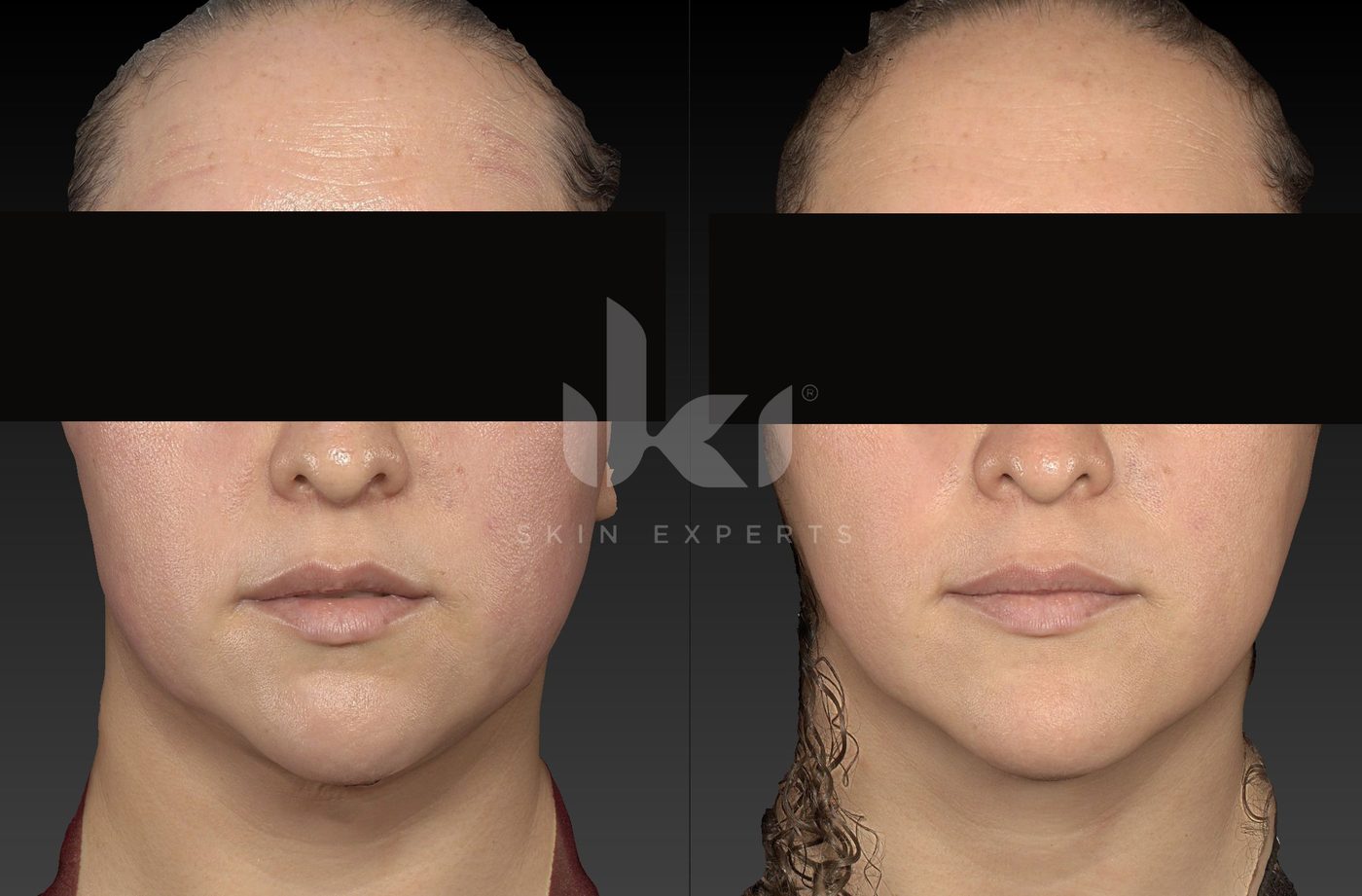
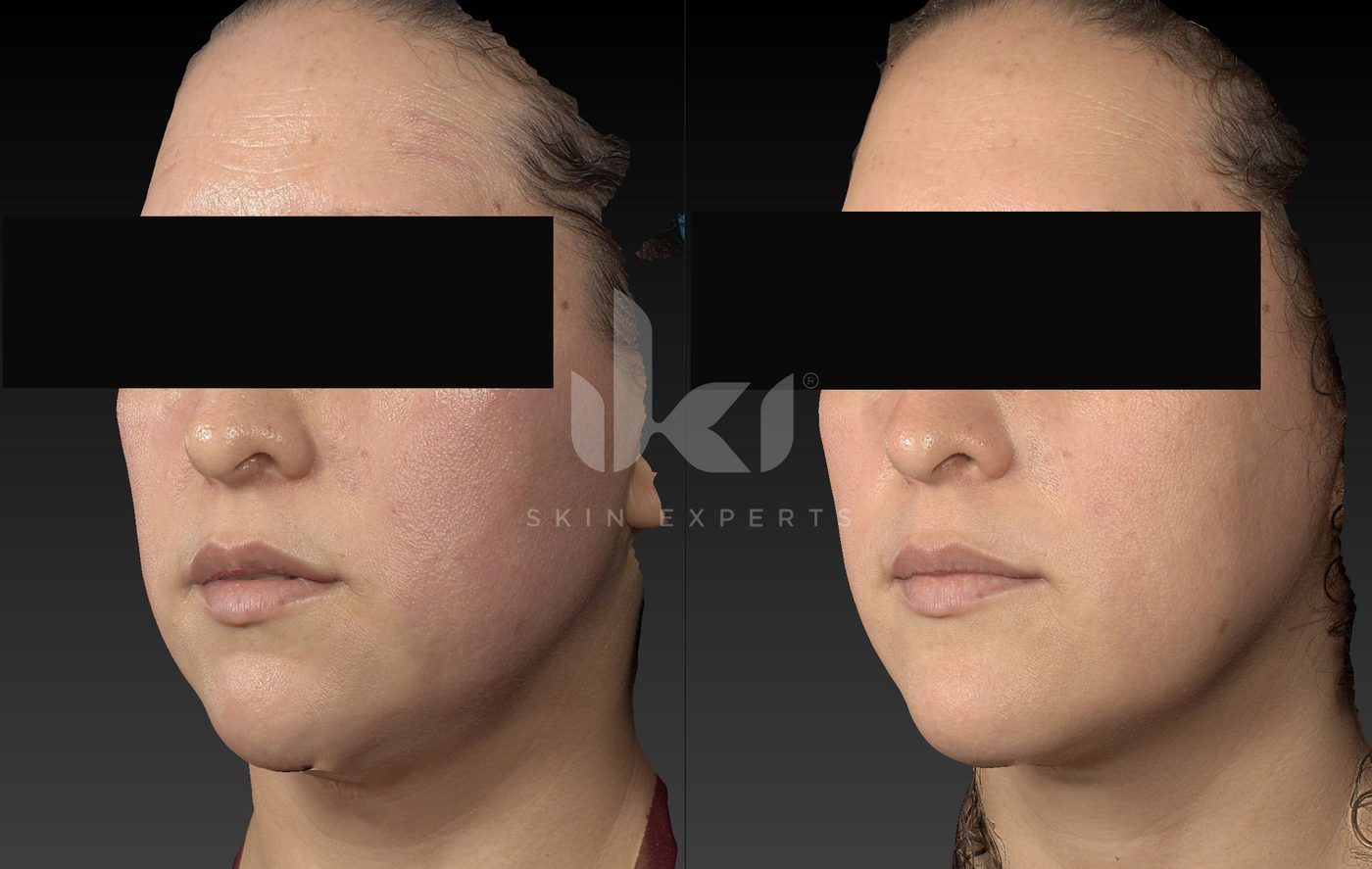
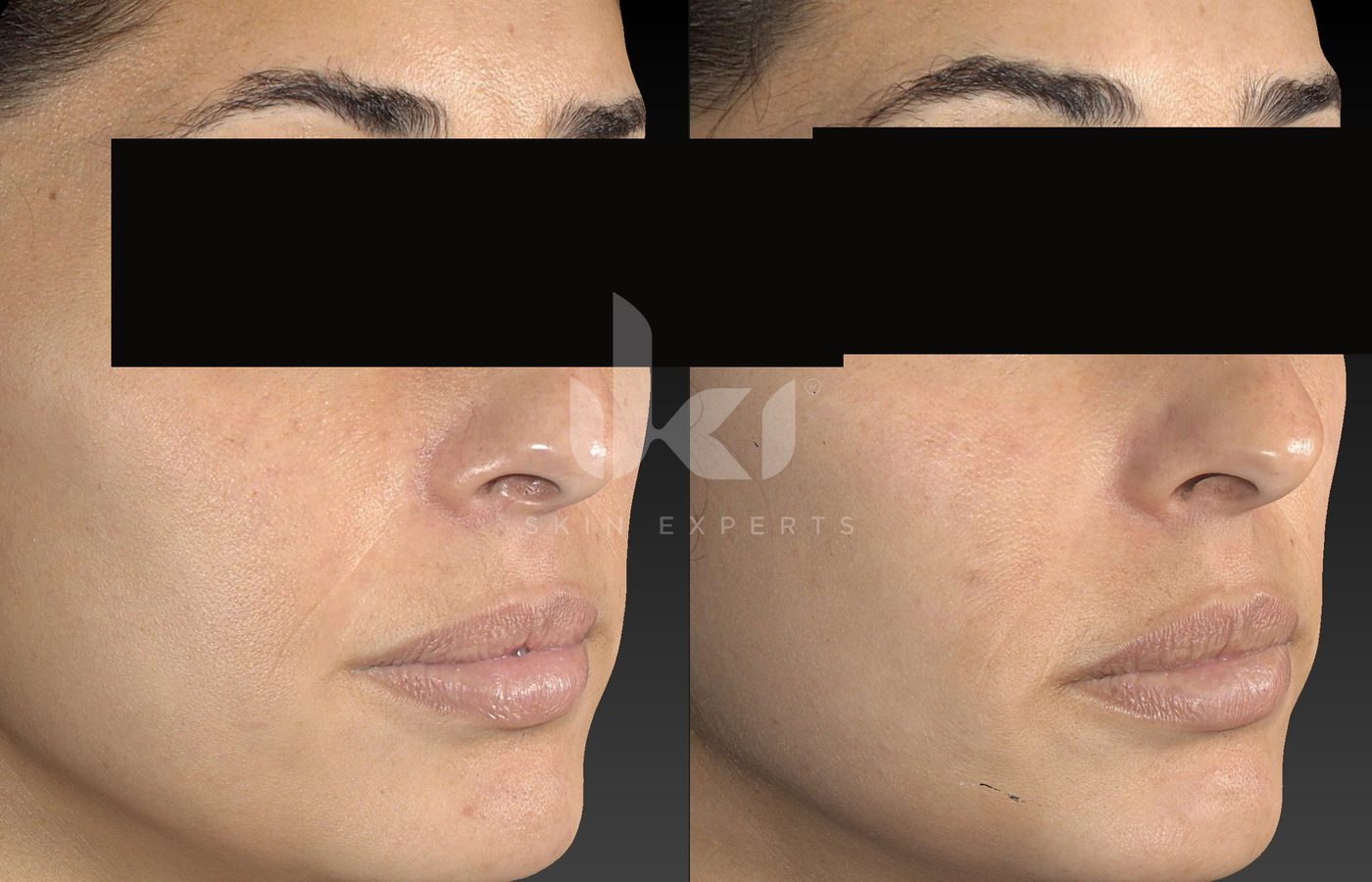
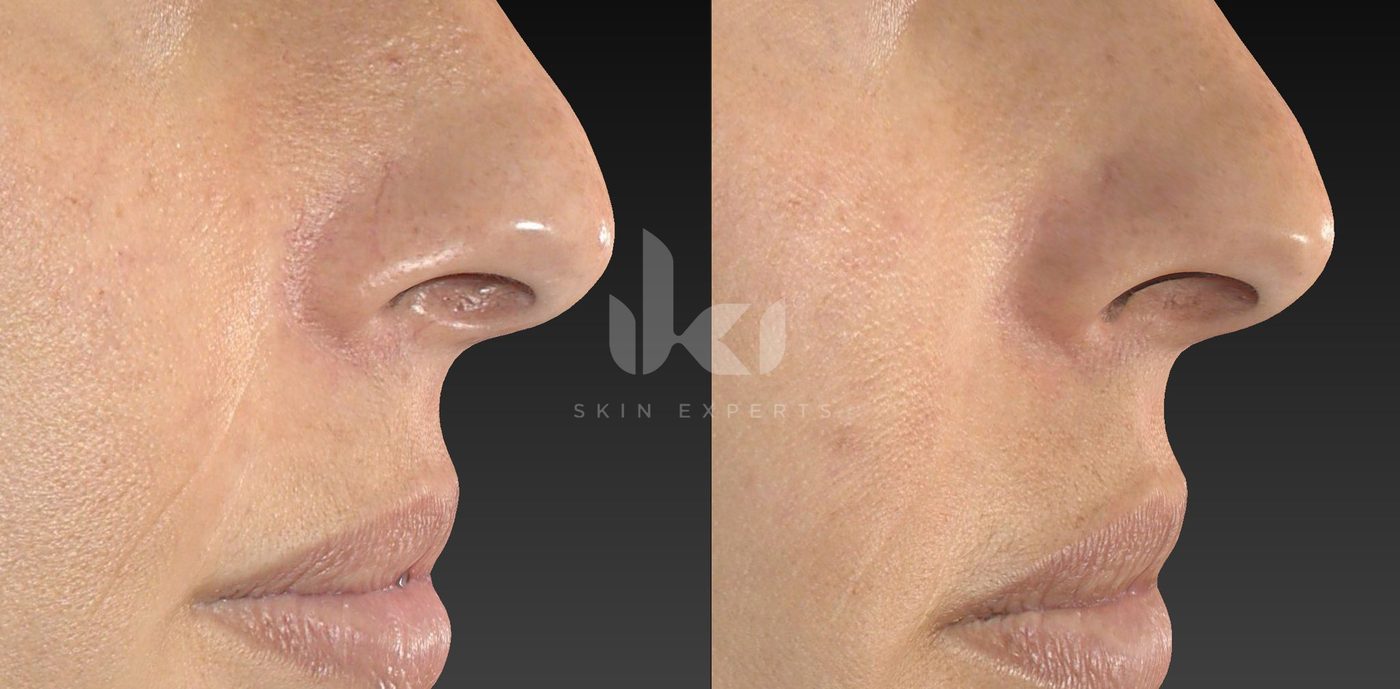
Photos of patients treated at iki, published with their authorization and with their identity covered. Each case had its own diagnosis and plan; the exact treatment may combine several techniques. Results vary from patient to patient. See all cases.
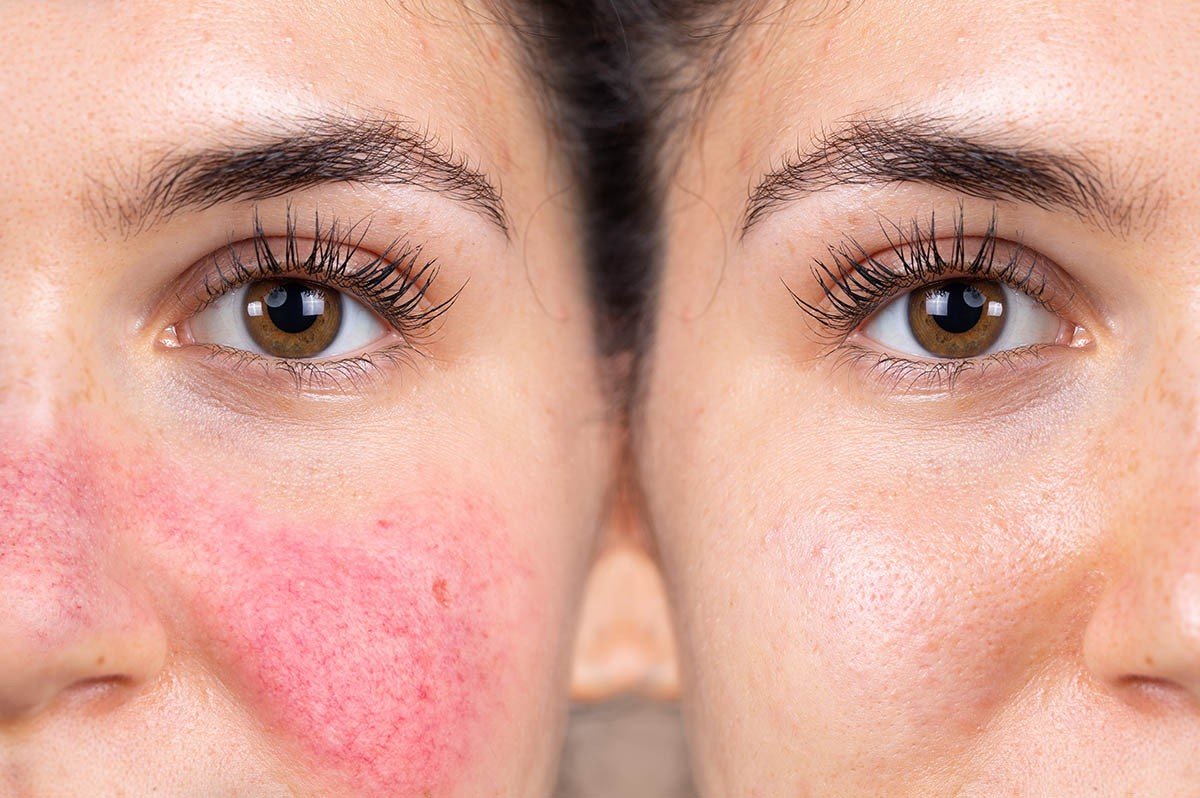
A chemical peel for rosacea is a medical treatment with gentle solutions, chosen for reactive skin, that helps reduce redness, inflammation and acne-like bumps. Rosacea isn’t cured · it’s controlled. At iki a session takes 30 to 60 minutes, sessions are spaced 3 to 6 weeks apart, and several are usually needed.
- Session length
- 30–60 min
- Interval
- 3–6 weeks between sessions
- Sessions
- Several · depending on response
- Discomfort
- Mild burning during application
- Recovery
- Redness and sensitivity · a few days
- Areas
- Face · cheeks, nose, chin, forehead
Who it’s for · and who it isn’t
Indicated when
- Rosacea with persistent redness and frequent flare-ups
- Rosacea with acne-like papules and pustules
- Uneven texture on reactive skin
- Patients willing to keep up a routine, sunscreen and trigger control
Not the right time if
- An intense inflammatory flare-up in progress · the skin is calmed first
- Visible blood vessels as the main concern · the indication is usually the Nd:YAG laser
- Pregnancy or breastfeeding
- A badly damaged skin barrier, sunburn or wounds in the area
The physician makes the final indication at the consultation. Results vary from patient to patient.
What a chemical peel for rosacea looks like at iki
Rosacea calls for less intensity and more judgment. The plan is led by iki’s medical team, founded by Dr. Urbani, physician specialized in sensitive and reactive skin.
Assessing your type of rosacea
We identify whether redness, inflammatory bumps or visible vessels dominate, and which triggers make flare-ups worse: sun, heat, alcohol, stress or certain products.
Calm before treating
If the skin is flaring, it is stabilized first with a routine and, when appropriate, with medical treatment. The peel is done on calm skin.
Gentle application
A solution chosen for reactive skin is applied area by area, with short contact times. You may feel mild burning, which the physician controls during the session.
Finish and follow-up
The skin is soothed, sunscreen is applied and the next session is scheduled 3 to 6 weeks later, depending on how your skin responds.
What it offers
Less redness
It helps reduce the redness and inflammation associated with rosacea.
Fewer acne-like bumps
It can reduce the papules and pustules that appear in inflammatory rosacea.
Better texture
Over the sessions, the skin feels smoother and the tone looks more even.
Flare-ups further apart
Within a complete plan, it helps reduce how often and how strongly flare-ups happen. It doesn’t eliminate them.
Technology with an indication
Gentle peels for reactive skin
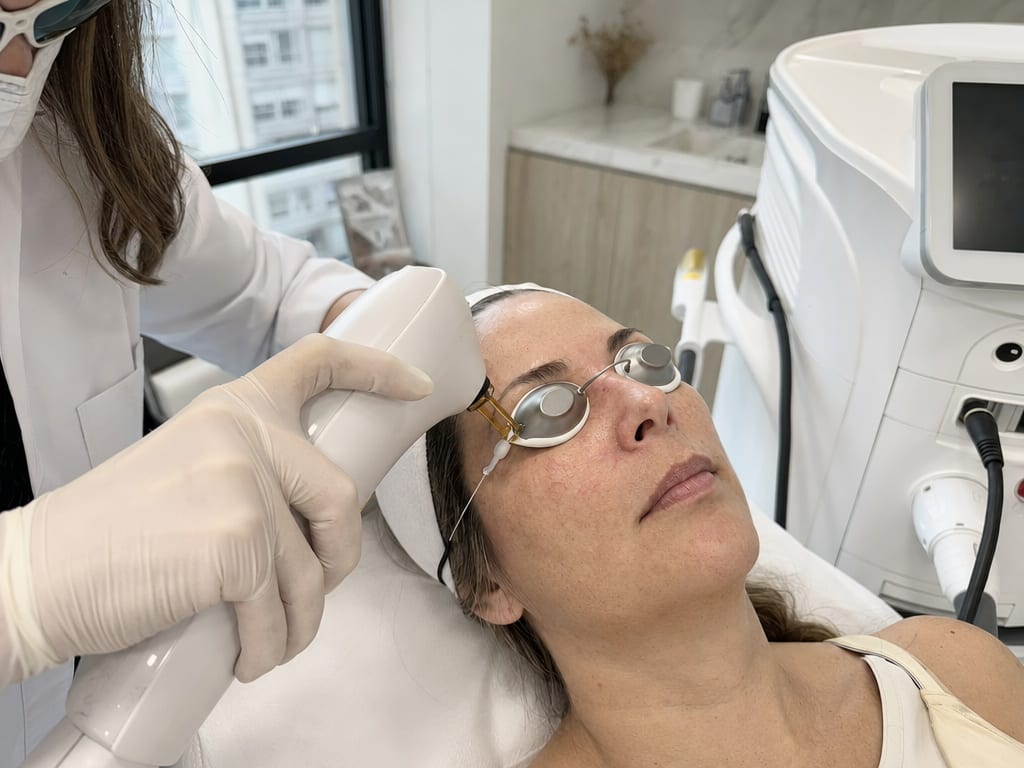
There is no machine · there is a protocol designed for sensitive skin. We work with low-aggression chemical solutions and controlled contact times. The physician decides which one to use based on the type of rosacea and the state of the skin barrier. When visible vessels are the main concern, it is complemented with the Nd:YAG on the Stellar M22.
Results and aftercare
Improvement is usually gradual: less redness, fewer inflammatory bumps and a more even texture over several sessions. Rosacea doesn’t go away · it’s controlled. Flare-ups can return with sun, heat, stress or other triggers, which is why the plan includes maintenance. And once it’s under control · you can live with it calmly.
Aftercare after the session
- Daily sunscreen, of the type your physician recommends
- A gentle cleanser, with no exfoliants or fragrance
- Don’t pull off peeling skin
- Avoid intense heat, saunas, alcohol and very spicy food if they are triggers for you
- Contact us if the redness increases instead of easing
Results vary from patient to patient.
Pairs well with
Frequently asked questions
Does a chemical peel cure rosacea?
No. Rosacea is a chronic condition · it isn’t cured, it’s controlled. A peel helps reduce redness, inflammation and acne-like bumps, and spaces out flare-ups. Keeping the result depends on your routine, sunscreen, avoiding triggers and maintenance sessions.
Does it hurt or burn?
You may feel a mild burning sensation during application. The physician controls the contact time and intensity, and removes or neutralizes the product if the skin reacts more than expected. With reactive skin we always start cautiously and only increase intensity if the skin tolerates it.
How long does a session take?
Generally 30 to 60 minutes, depending on the size of the area and what the skin needs. It includes cleansing, application area by area and the final aftercare. The first consultation is a separate appointment, and it’s where we decide whether a peel is the right tool for your type of rosacea.
How many sessions are needed, and how often?
Several sessions are usually needed to reach the maximum improvement. We recommend waiting at least 3 to 6 weeks between sessions so the skin can recover. The total number depends on the type of rosacea and how you respond, and it is adjusted at each follow-up.
What side effects can it have?
The most common are redness, peeling and sensitivity, which usually clear within a few days. In some people reactive skin can have a temporary flare-up. That’s why we never peel rosacea in the middle of a flare, and aftercare for the following days is given in writing.
Does it work on facial spider veins?
It isn’t its strength. Visible vessels, or telangiectasias, are better treated with the Nd:YAG laser, which acts directly on the vessel. A peel works on inflammation and texture. In many cases they are combined: first the skin is calmed, then the vessels are treated.
Can I have it while pregnant or breastfeeding?
We prefer to postpone it. During that stage the priority is a gentle routine, daily sunscreen and trigger control, with medical guidance that is safe for pregnancy and breastfeeding. Once that stage ends, we do a new consultation and resume the plan based on the state of your skin.
What triggers make rosacea worse?
The most common are sun, heat, sudden temperature changes, alcohol, very spicy food, stress and some cosmetic products. They don’t affect everyone the same way. At the consultation we identify yours, because avoiding them matters as much as any in-clinic session.
Read before your appointment
Is Chemical peel for rosacea right for you? · we’ll see at the consultation
Forty-five minutes with a physician, a skin analysis and a written, phased plan with complete prices. You decide afterwards, with no pressure. Living abroad? Start with a virtual consultation.