Chemical peel for acne
Renew the skin · at just the right strength
A chemical peel applies selected acids to exfoliate the top layer of the skin, unclog pores and help regulate oil. At iki the agent, the concentration and the number of layers are decided after seeing your skin. If the acne is severe, medical management comes first.
Results in acne and scars · identity protected
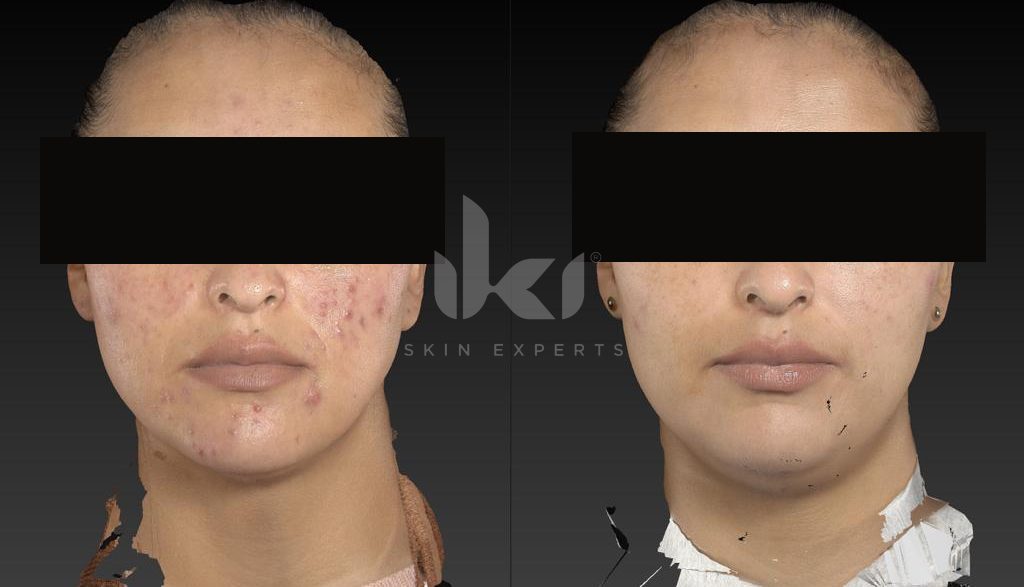
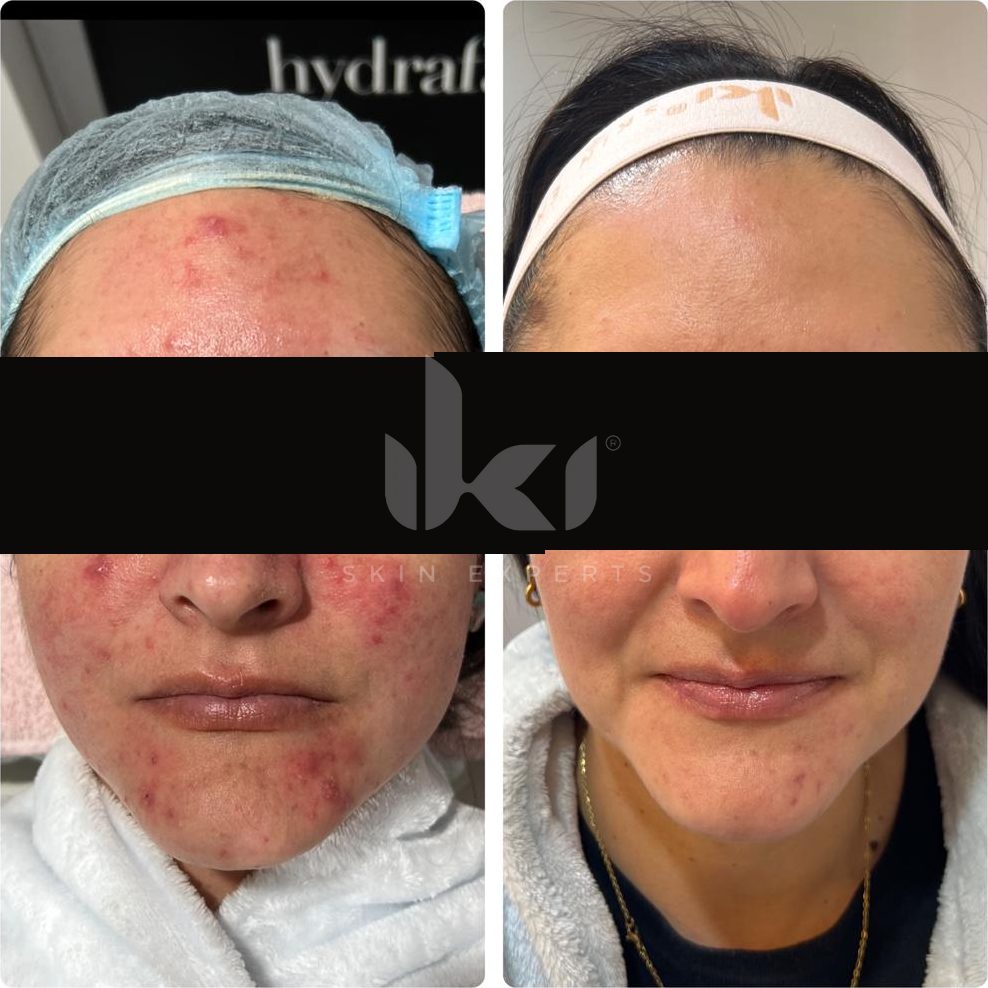
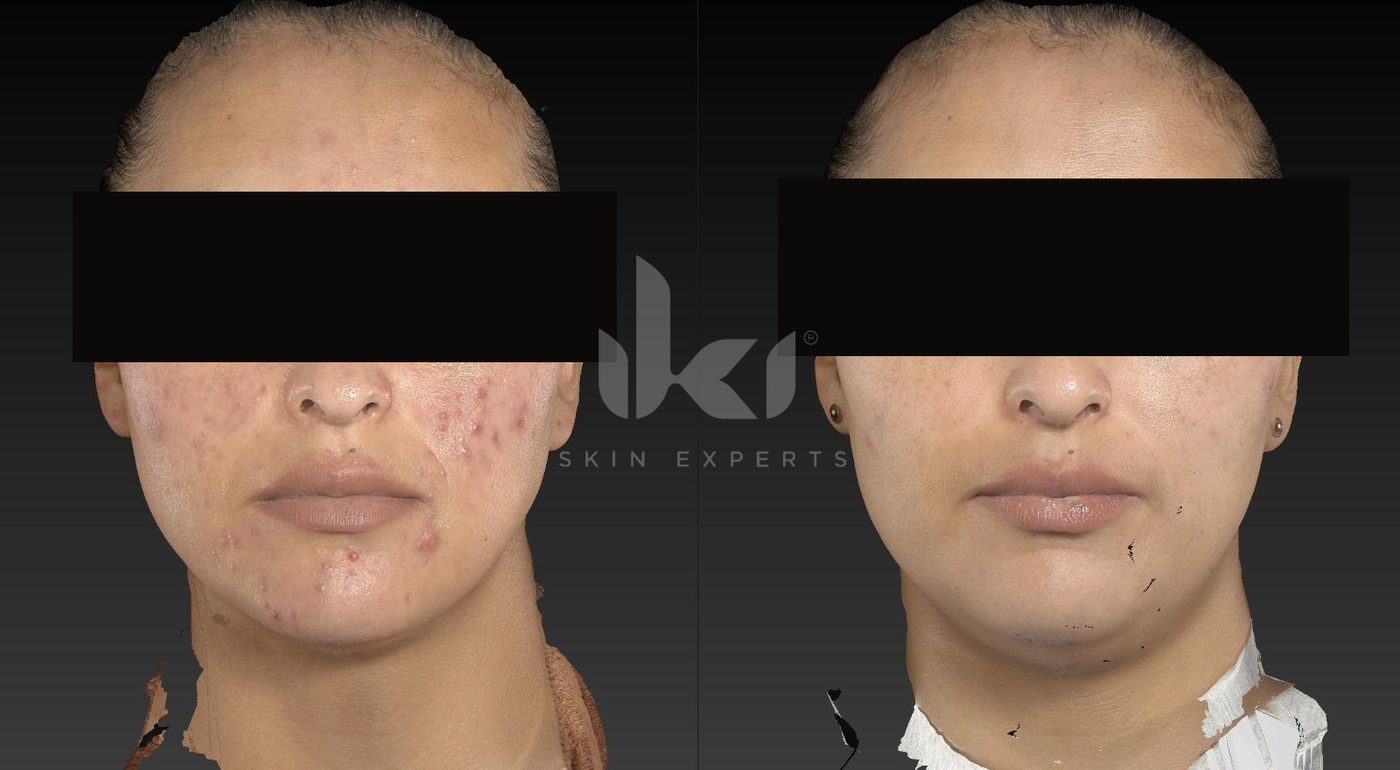
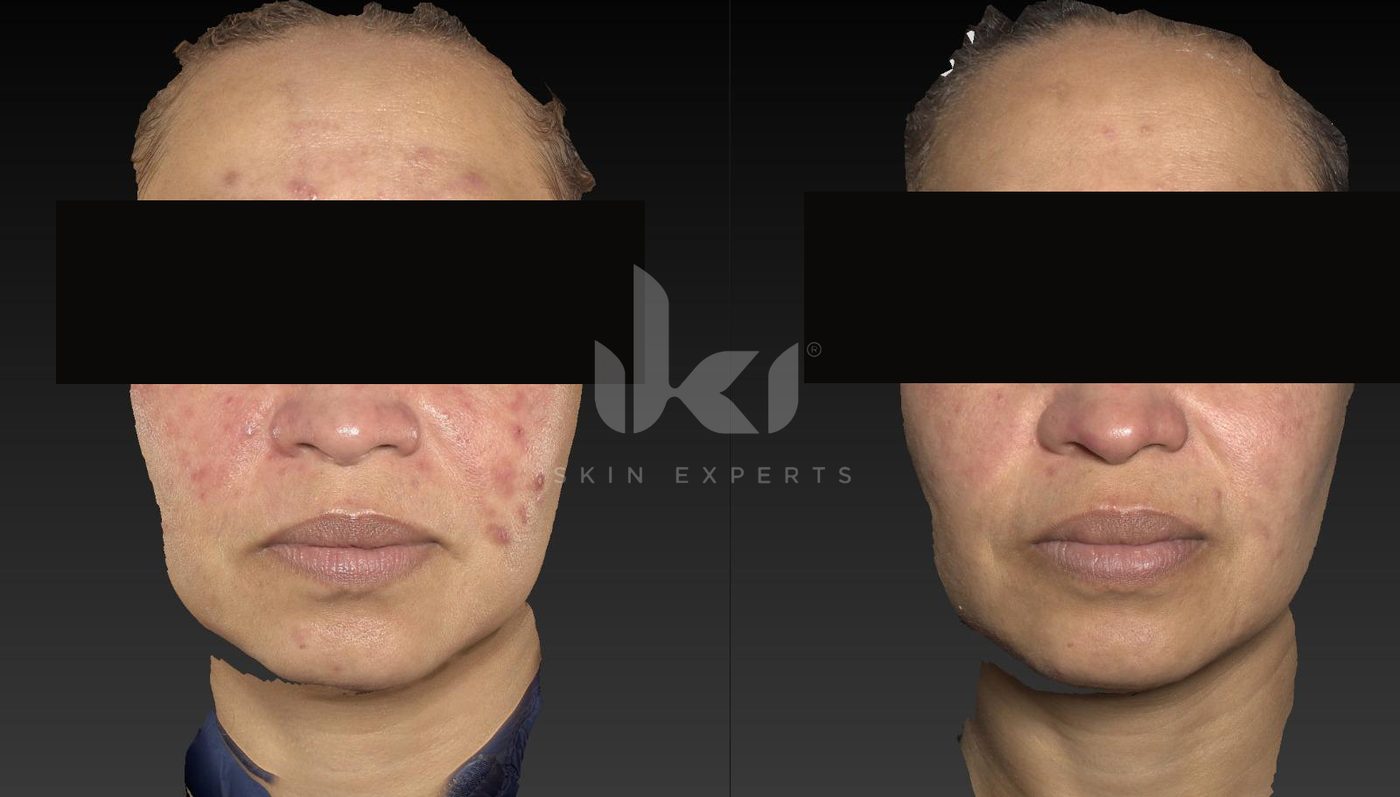
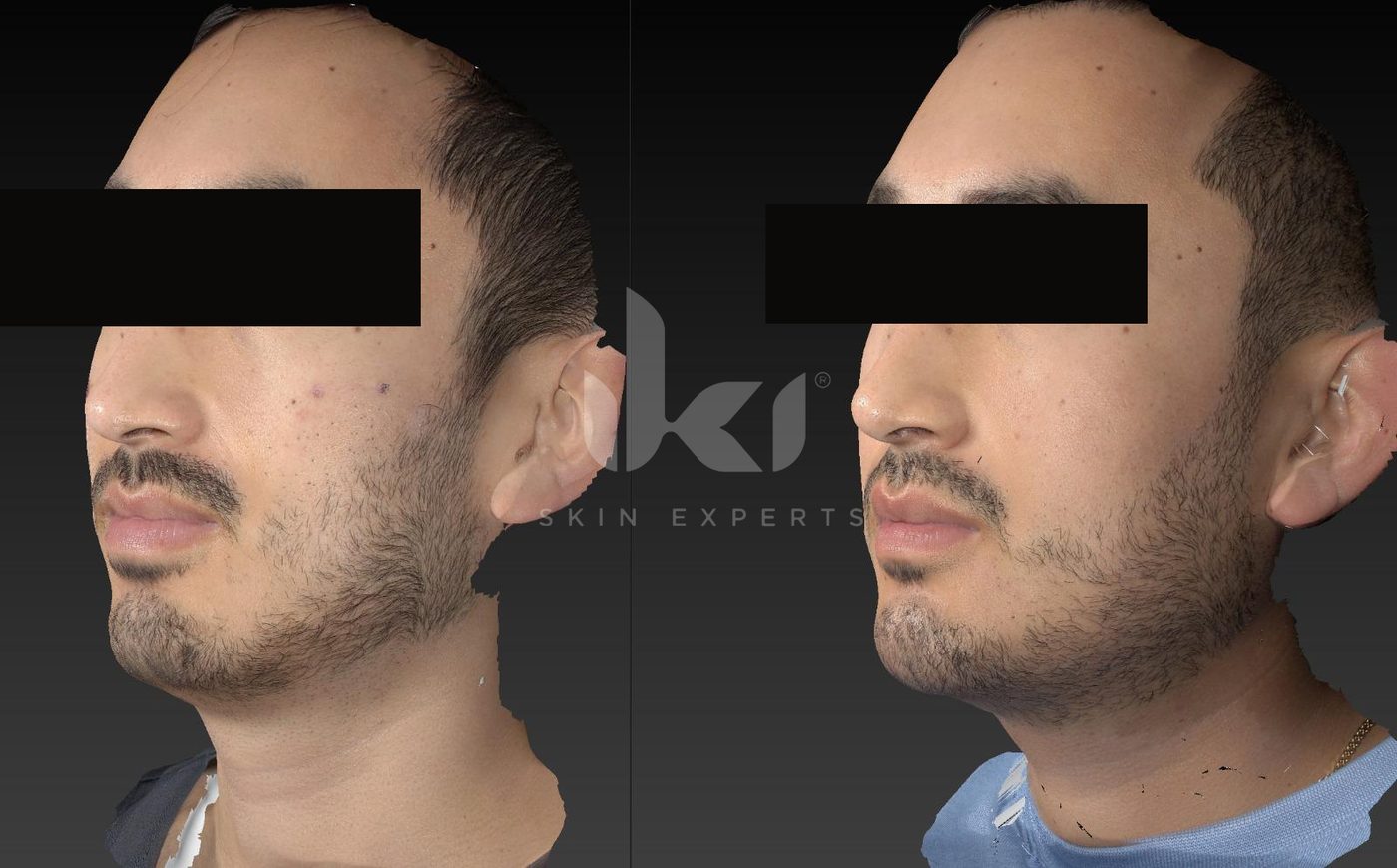
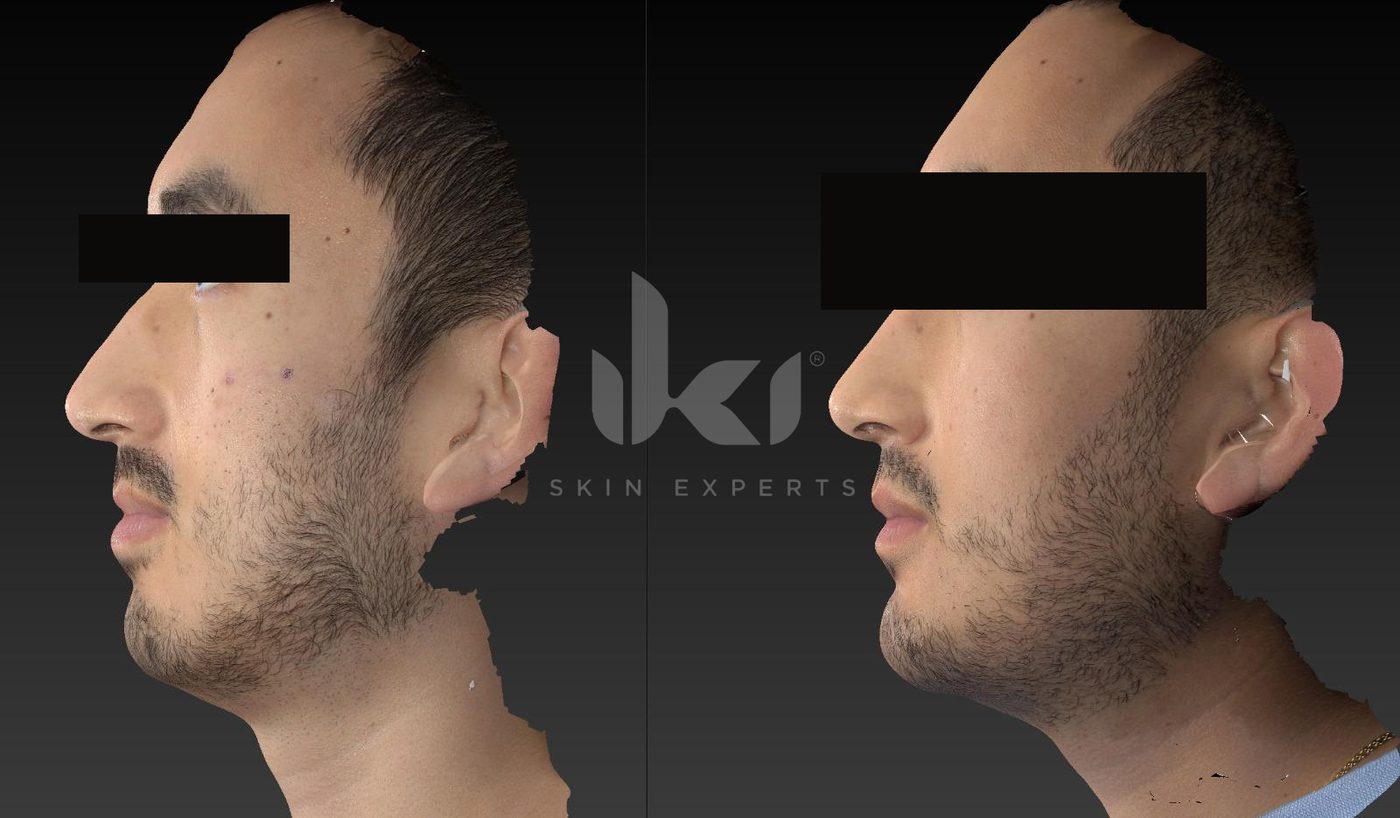
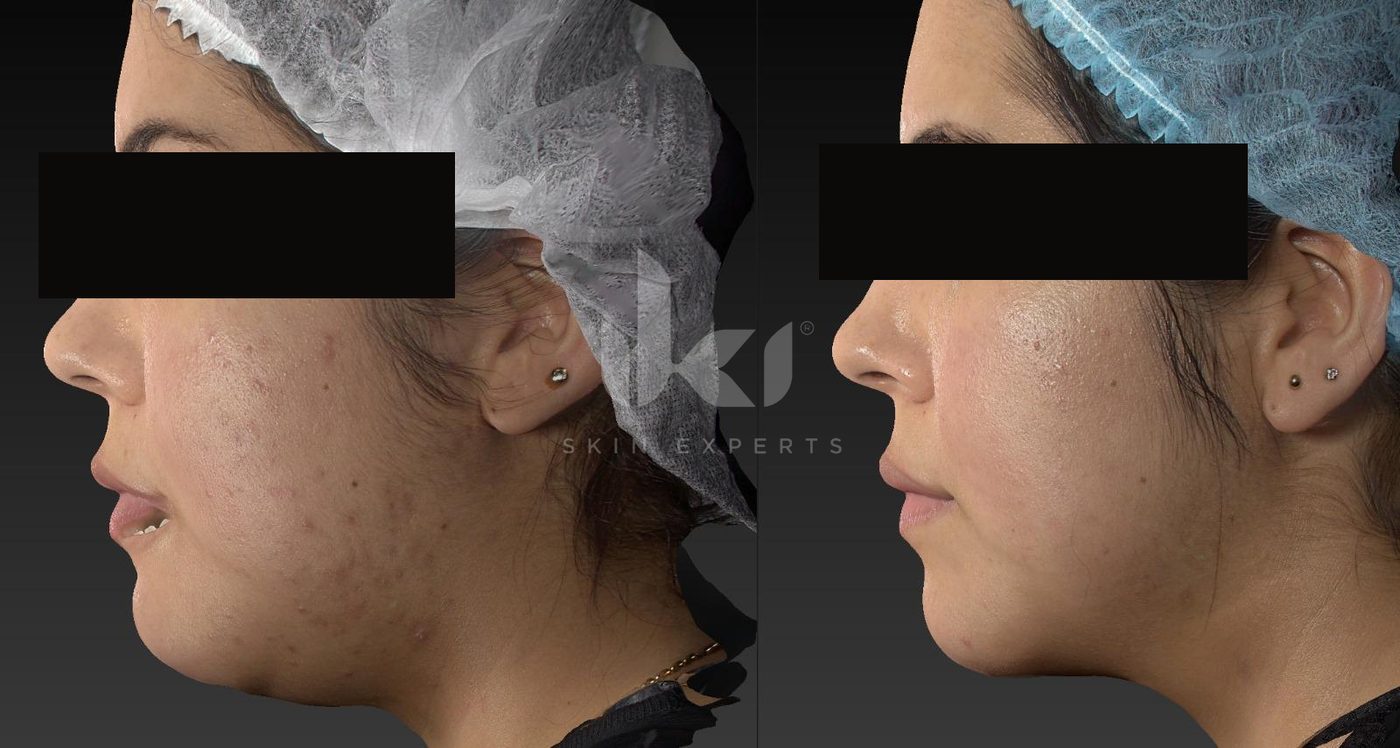
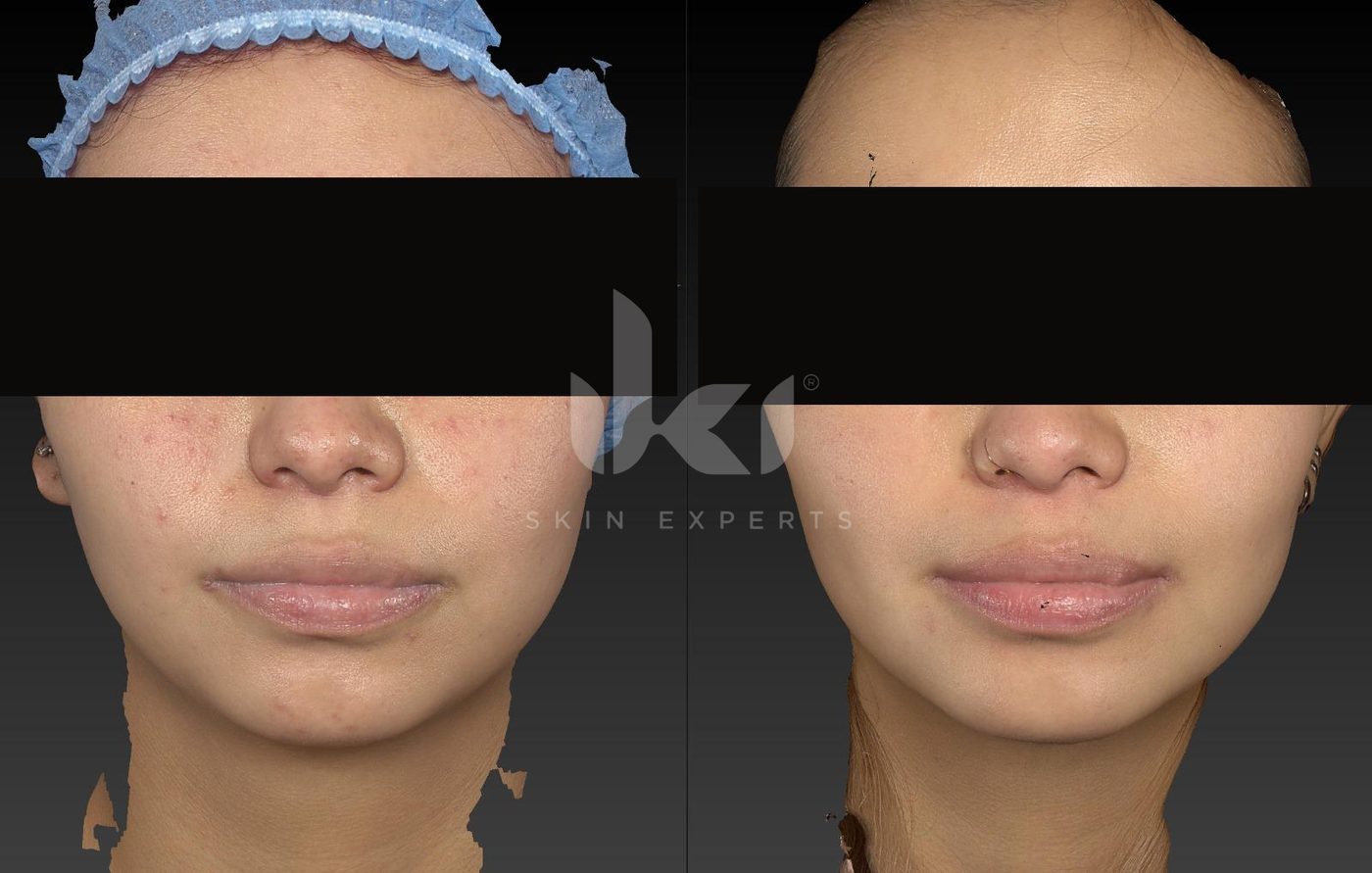
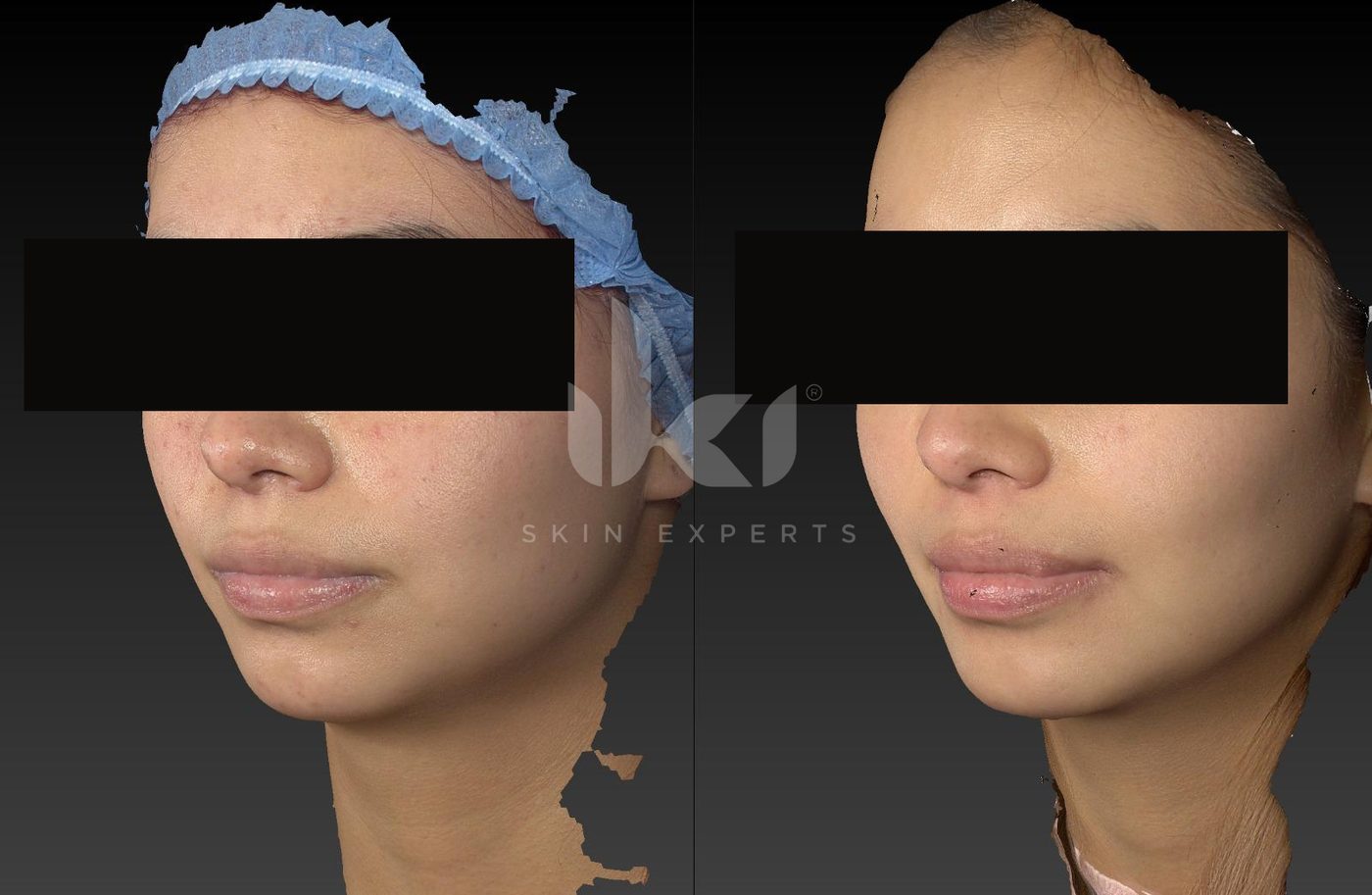
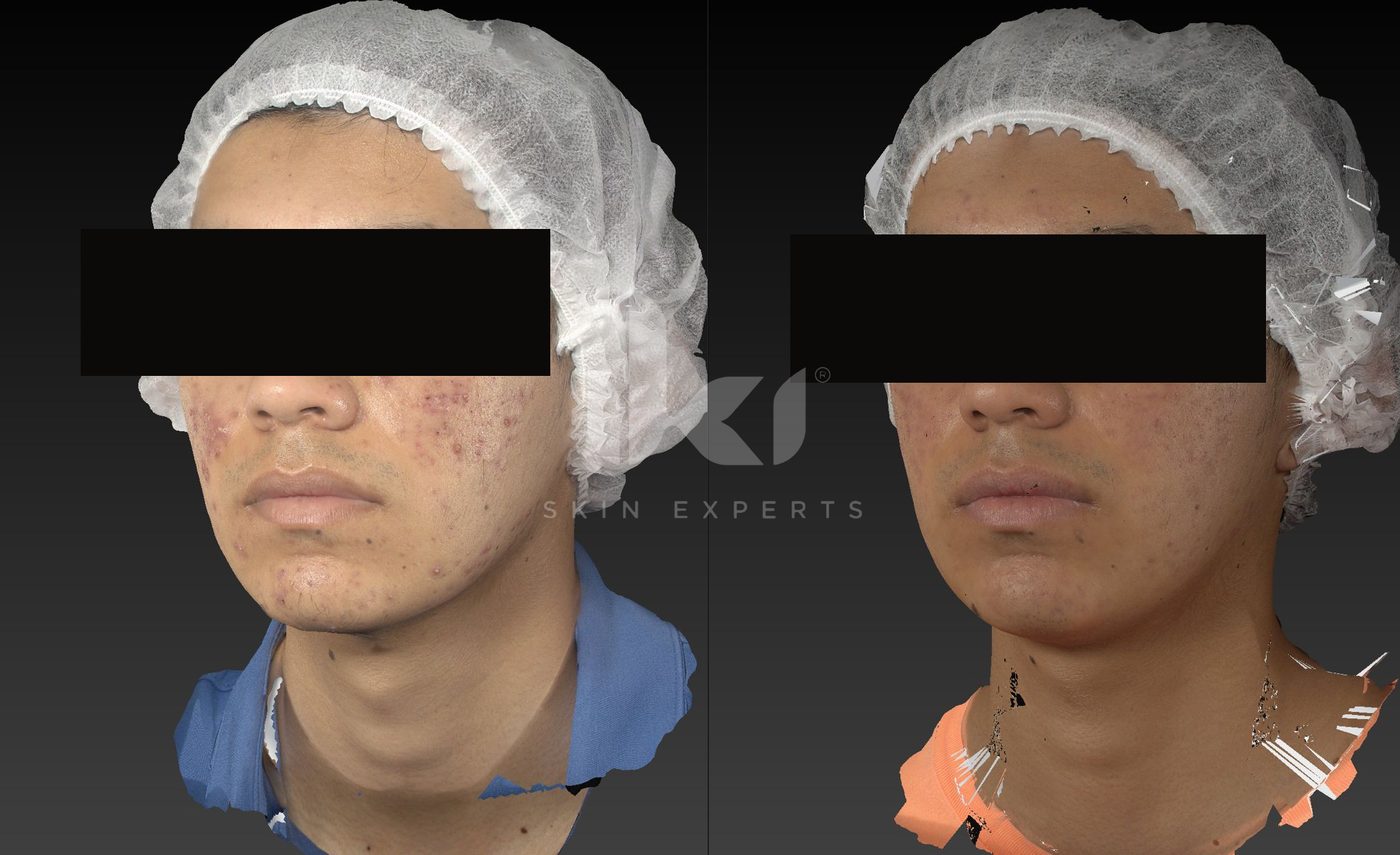
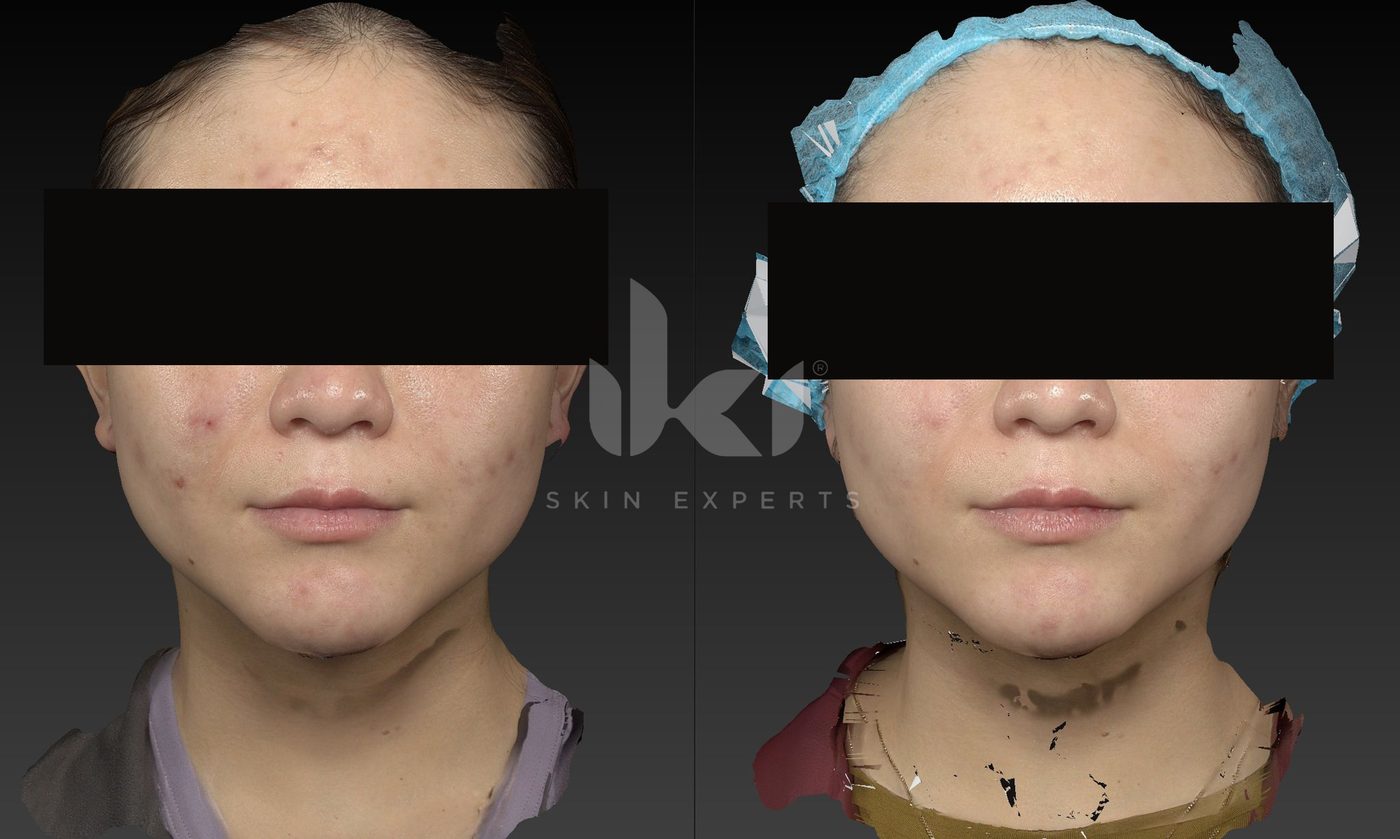
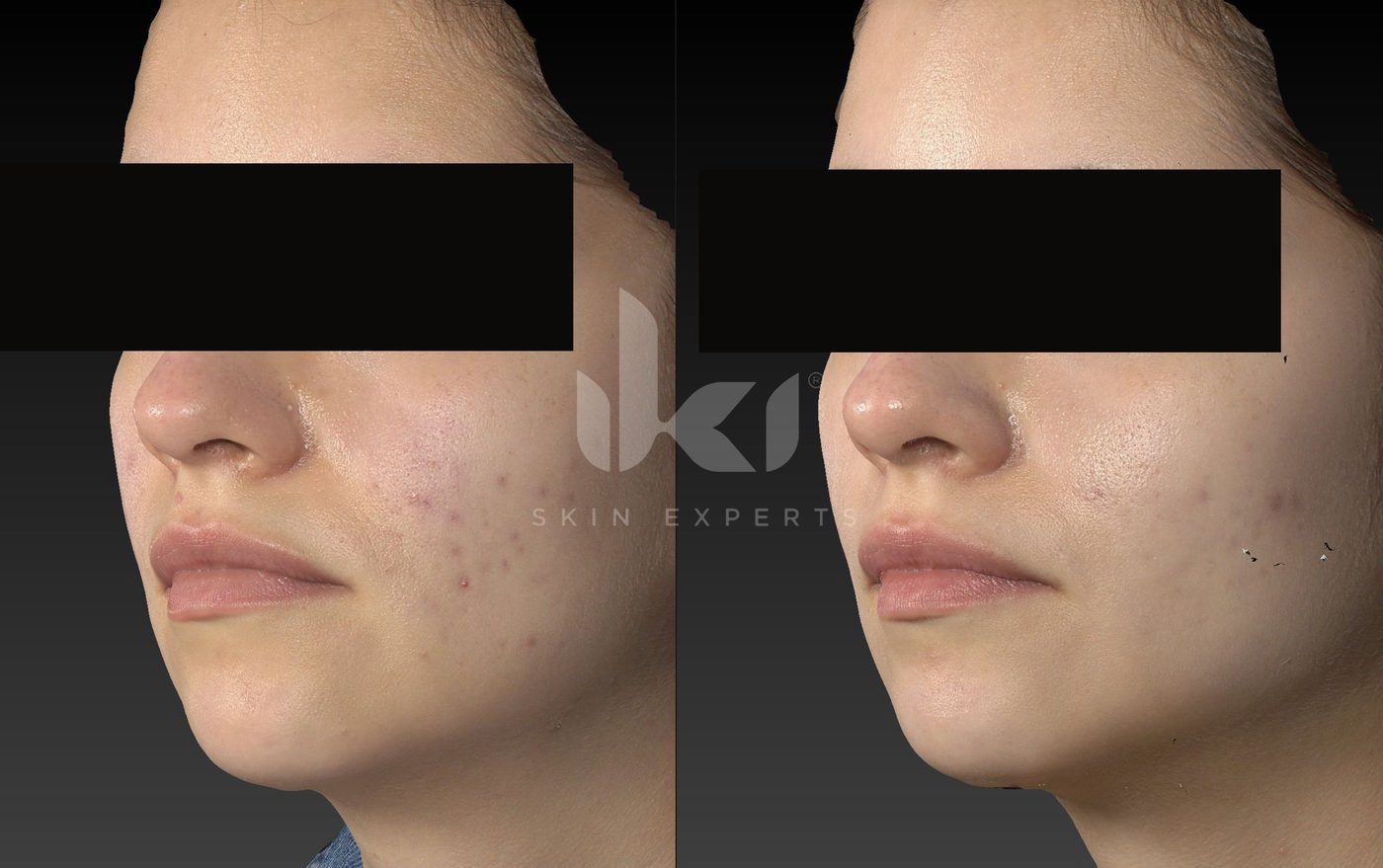
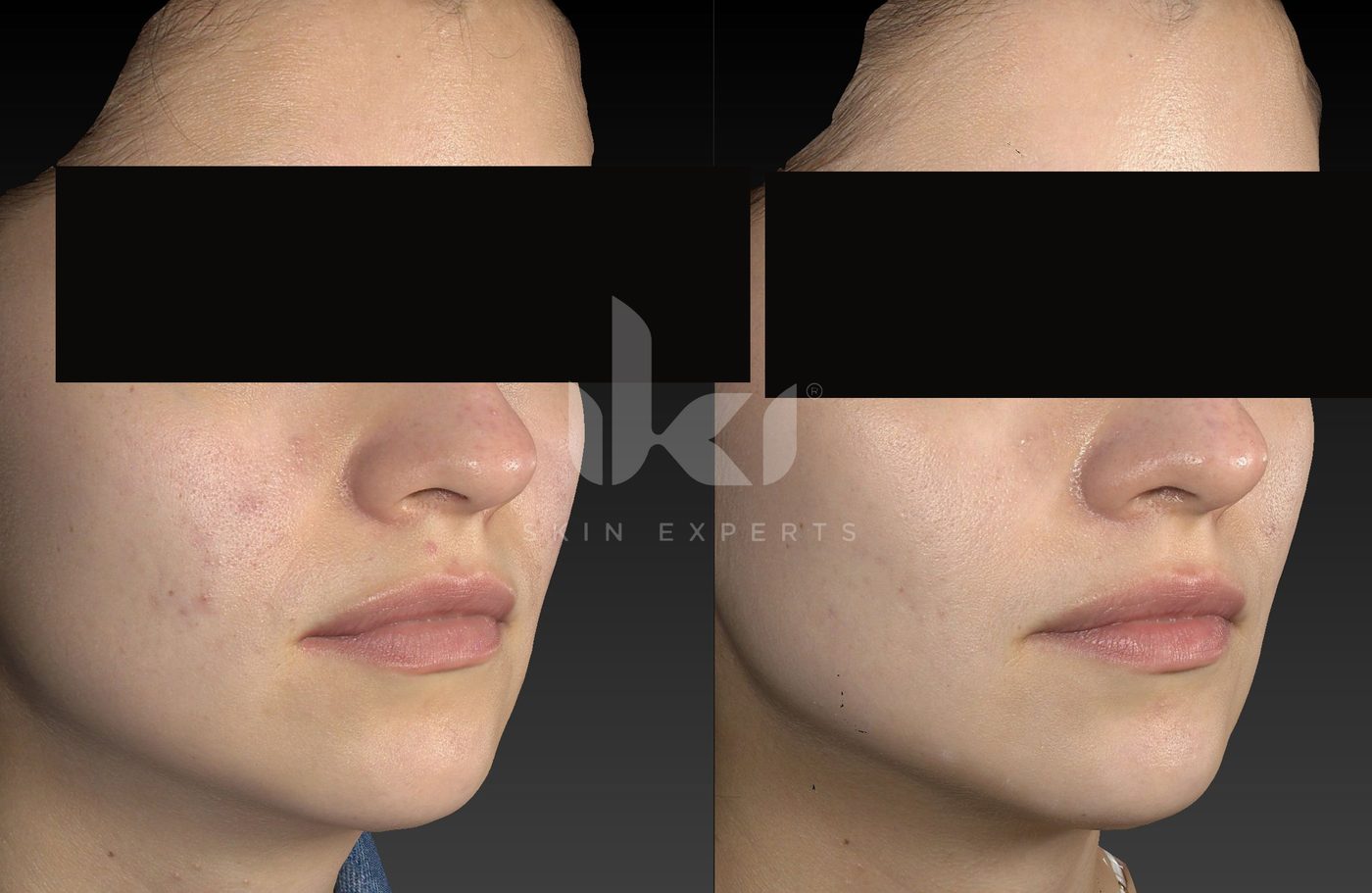
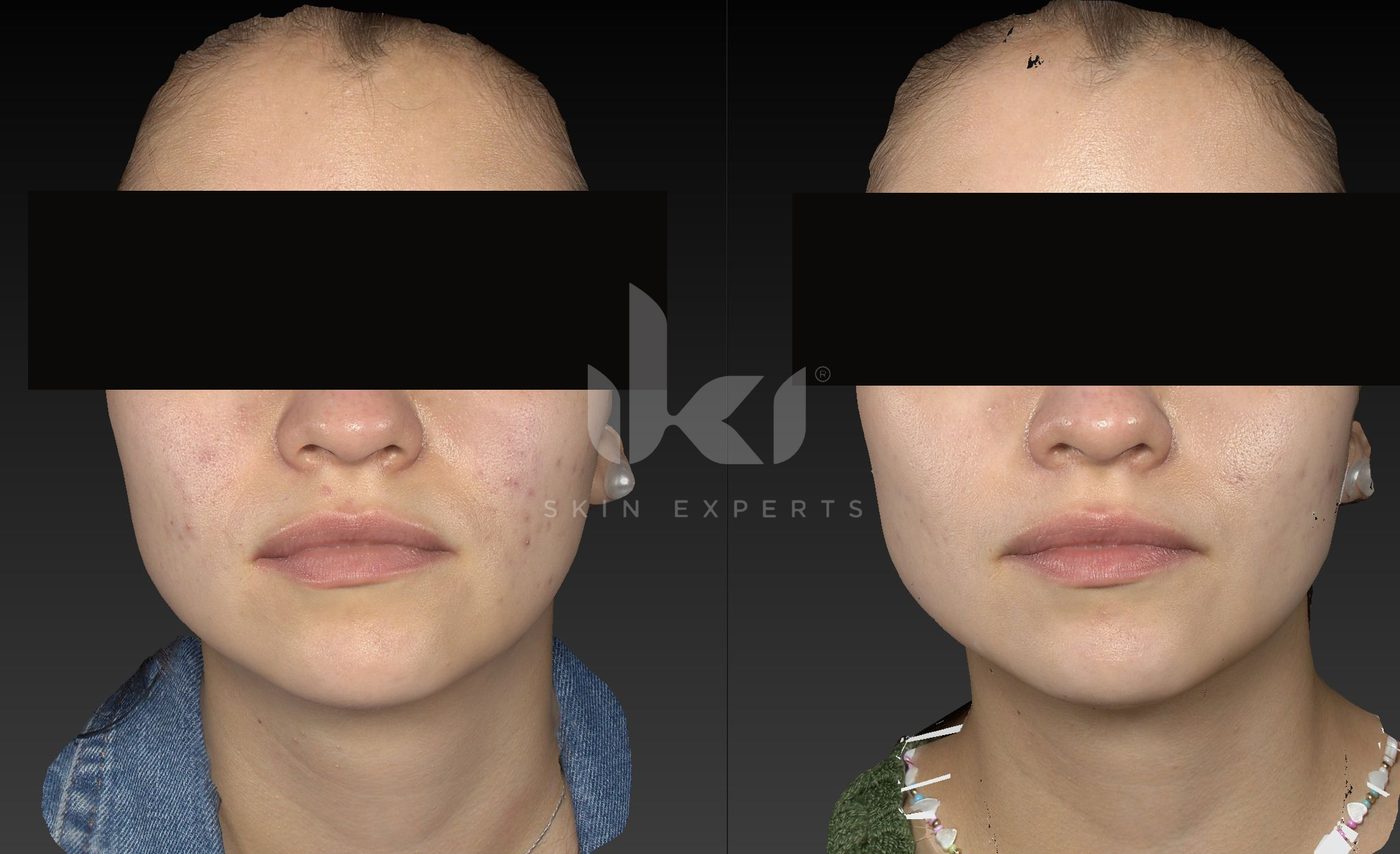
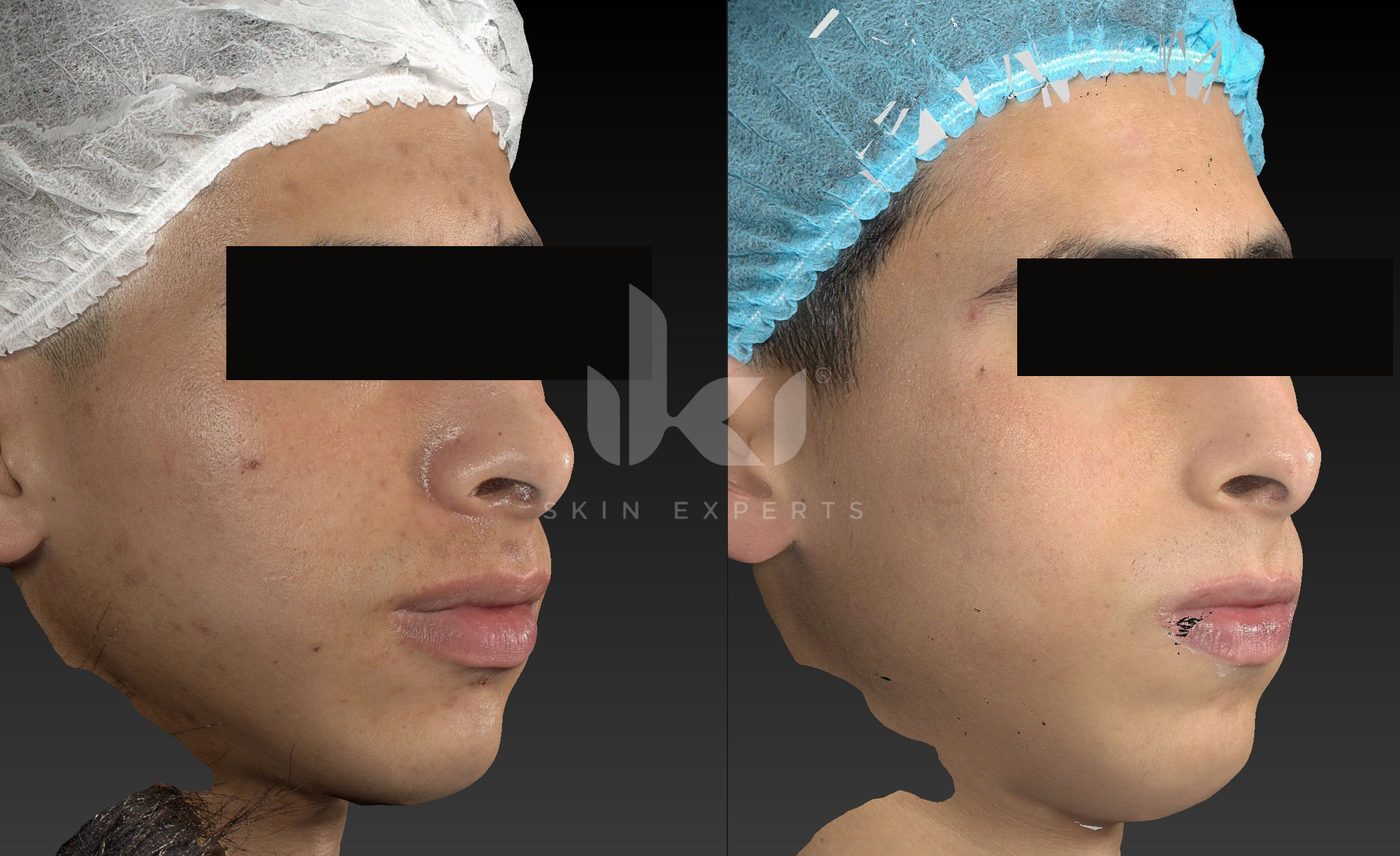
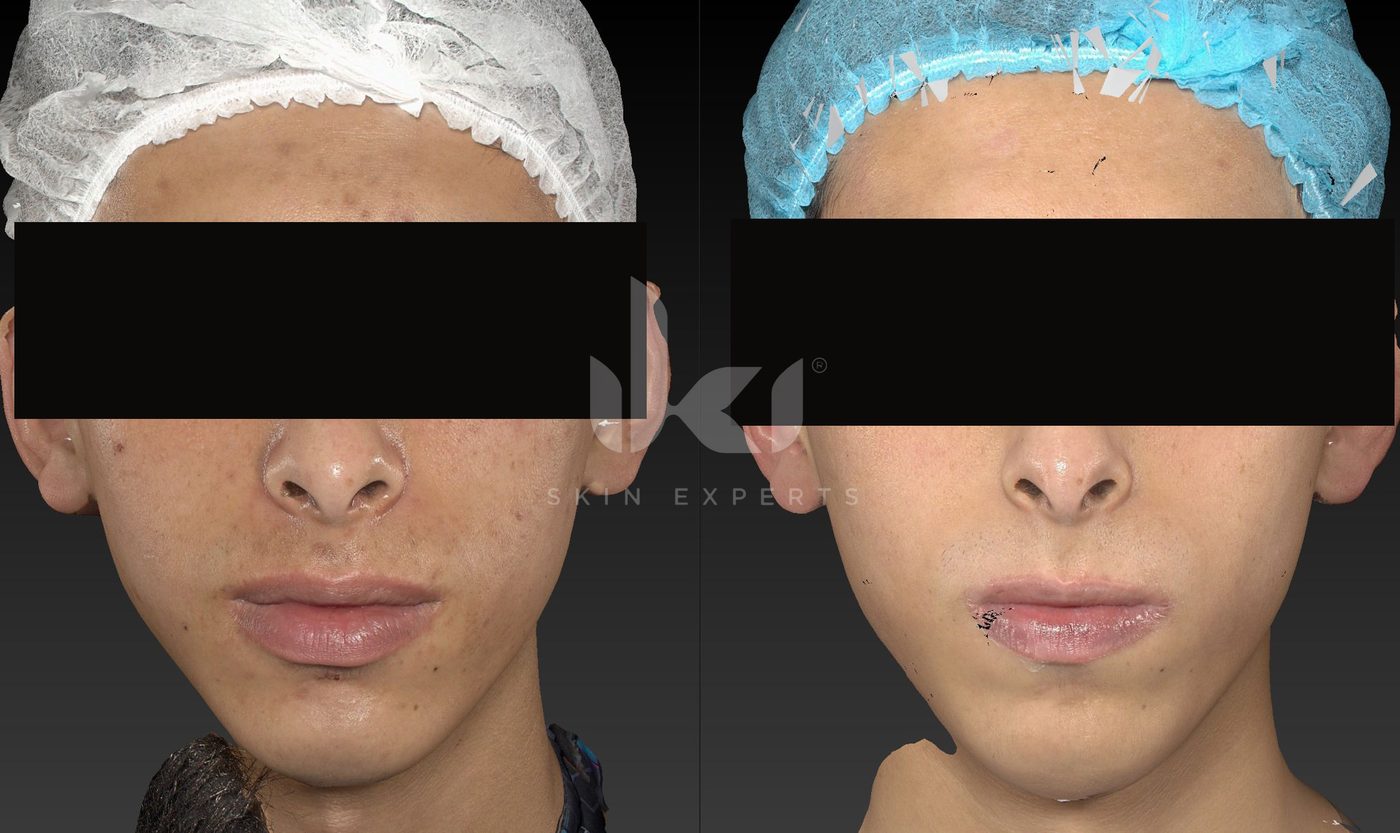
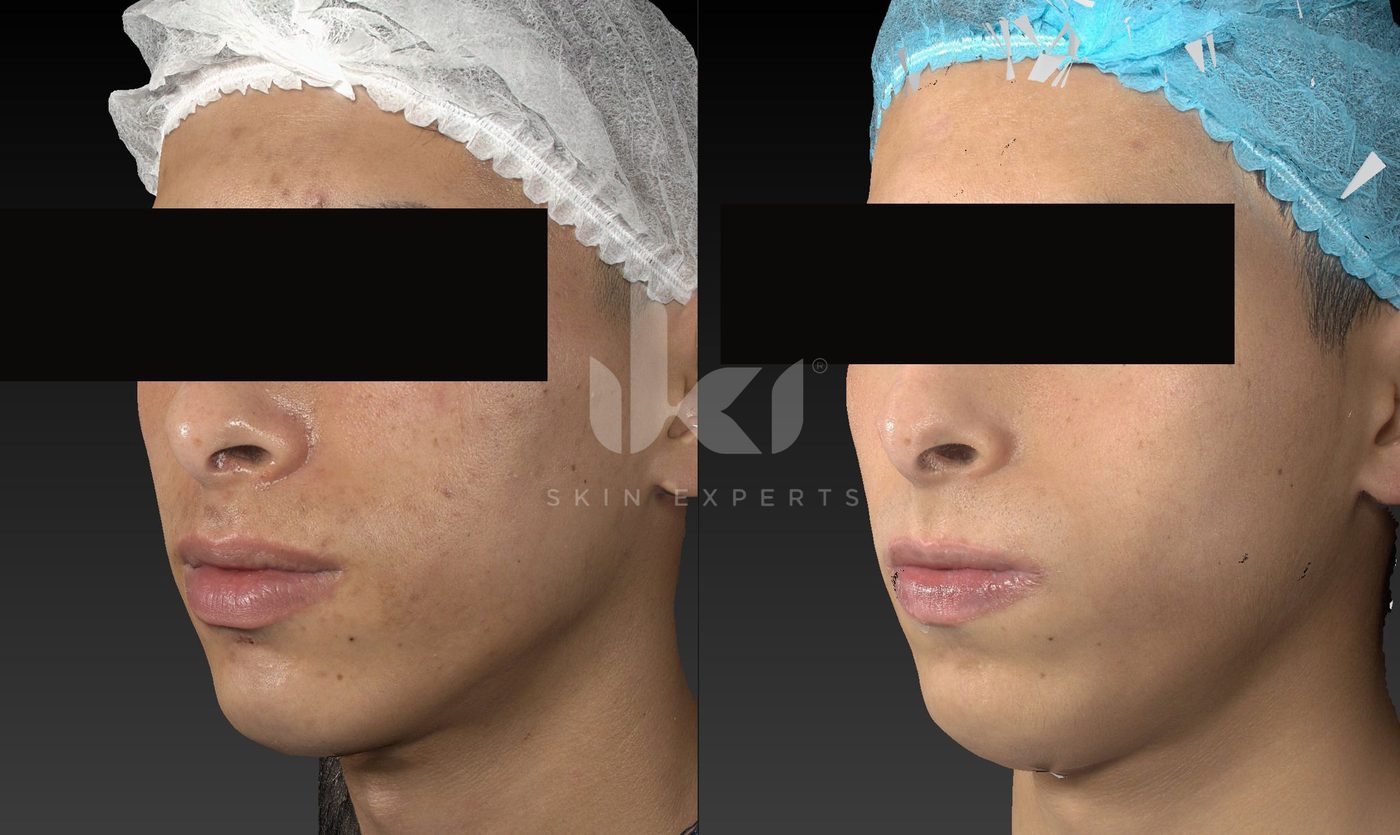
Photos of patients treated at iki, published with their authorization and with their identity covered. Each case had its own diagnosis and plan; the exact treatment may combine several techniques. Results vary from patient to patient. See all cases.
A chemical peel for acne is a medical procedure that applies exfoliating acids to the skin to unclog pores, reduce lesions and improve texture. At iki the physician chooses the agent and concentration based on your type of acne and skin. It takes several sessions, and recovery ranges from 3 to 7 days of mild peeling, depending on the intensity. Results vary from patient to patient.
- Session length
- 30–60 min
- Sessions
- Several · set at the consultation
- Recovery
- 3–7 days · redness and peeling
- First changes
- Gradual · session by session
- Depth
- Superficial or medium, as indicated
- Areas
- Face · back and chest if the consultation supports it
Who it’s for · and who it isn’t
Indicated when
- Mild to moderate acne with comedones, blackheads and inflammatory lesions
- Oily skin with clogged pores and uneven texture
- Flat marks and dark spots left by breakouts
- Adult acne that needs a different protocol from teenage acne
Not the right time if
- Severe active, nodular or cystic acne · it needs medical management before any peel
- Current isotretinoin treatment · we wait as long as the physician indicates
- Active cold sores, wounds or irritation in the area
- Tanned skin or recent intense sun exposure
The physician makes the final indication at the consultation. Results vary from patient to patient.
What a chemical peel for acne looks like at iki
No two peels are the same. The indication, the acid and the contact time change with the skin in front of us.
Acne diagnosis
We review the type of lesions, their likely cause, your medications and your routine. Adult acne ≠ teenage acne · the protocol is adjusted accordingly.
Prep
The skin is cleansed and degreased. In some cases we prescribe a home routine for a few days beforehand so the peel works more evenly.
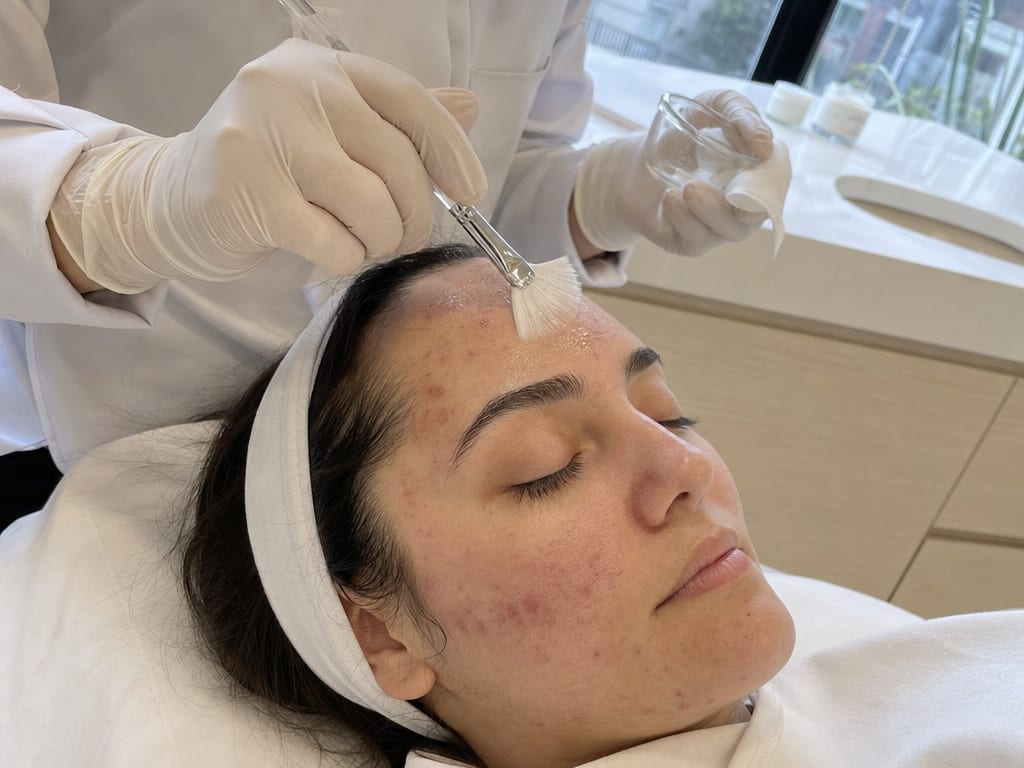
Applying the acid
The physician applies the chosen agent in controlled layers and watches how the skin reacts. Brief burning or itching is normal.
Neutralizing and finishing
Depending on the type of peel, the acid is neutralized or removed, a soothing product and sunscreen are applied, and you receive written aftercare.
What it offers
Unclogs the pore
Chemical exfoliation helps shed the excess dead cells that block the follicle, where a comedone starts.
Helps control oil and inflammation
Some acids have an affinity for oil and an anti-inflammatory effect that helps space out breakouts.
Improves texture and tone
By renewing the top layer, the skin looks more even and flat marks soften.
Personalized
Agent, concentration and number of layers are adjusted to each skin and change as it responds.
Medical follow-up
At every session the physician checks how your skin responded before repeating or increasing intensity.
Technology with an indication
Medical chemical peels
Behind a peel there is no machine · there is judgment. Acids differ in depth and action, and for acne salicylic, mandelic and glycolic acid are common examples. The physician chooses based on the type of acne, your skin type (Fitzpatrick) and how well your skin tolerates it. The same molecule can be useful on one skin and too much for another.
Results and aftercare
Skin usually looks clearer and more even as sessions progress, with fewer comedones and fewer inflamed lesions. A peel controls acne, it doesn’t cure it: acne can return if its cause isn’t addressed. That’s why the plan includes a home routine, follow-ups and, when needed, medical management.
Aftercare after the session
- Daily sunscreen, reapplied · freshly exfoliated skin develops dark spots more easily
- Don’t pull off peeling skin
- A gentle moisturizer and a non-exfoliating cleanser during recovery
- Pause retinoids and at-home acids on the days your physician indicates
- Avoid makeup for the first 48 hours, unless told otherwise
Results vary from patient to patient.
Pairs well with
 Acne and scars
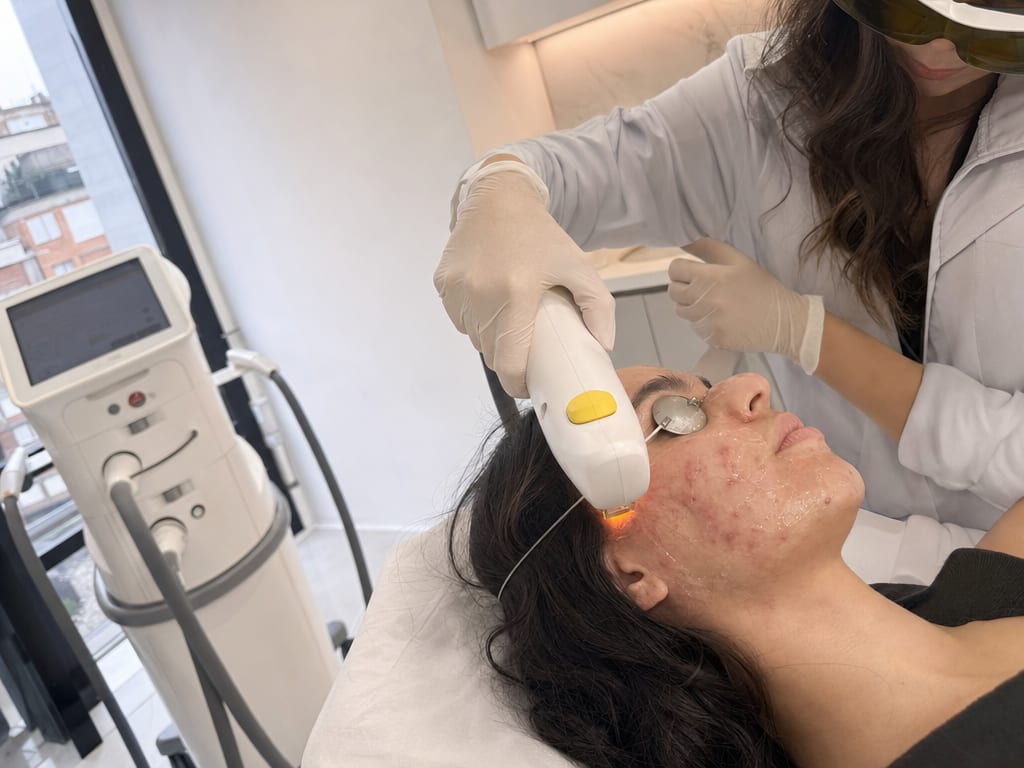
Filtered IPL for acne
Intense pulsed light with the Stellar M22’s acne filter works on the inflammation and redness of breakouts. At iki it is…
See treatment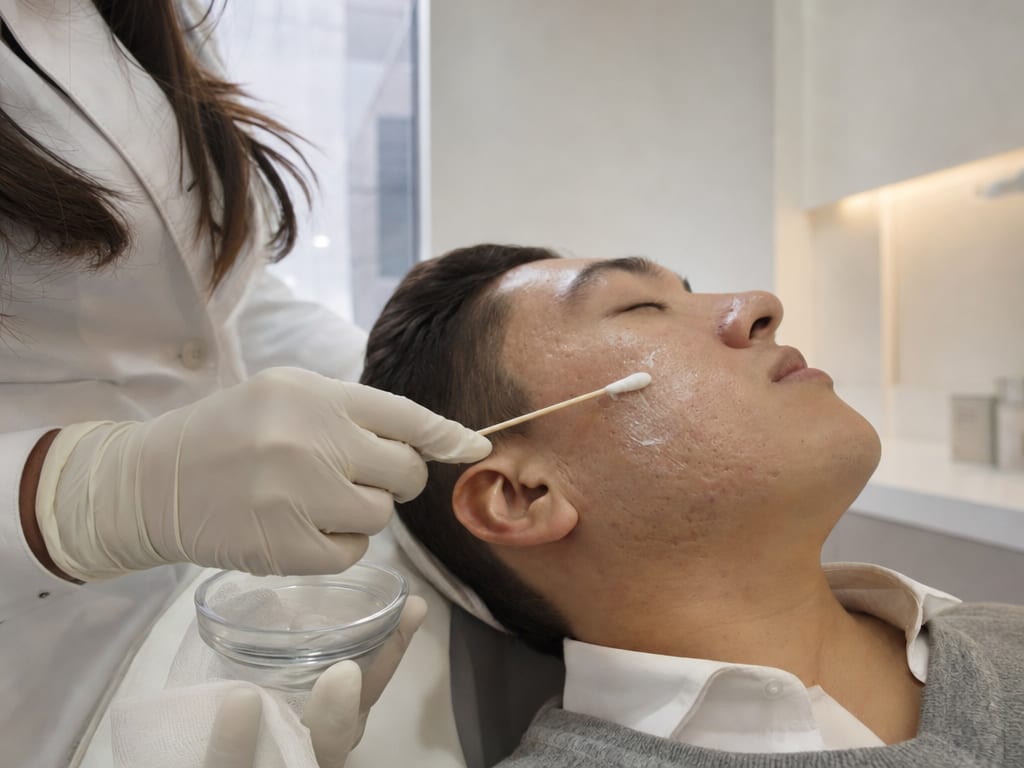 Acne and scars
Chemical peel for acne scars
A chemical peel for scars renews the top layers of the skin and stimulates collagen to smooth texture and soften marks. It works…
See treatment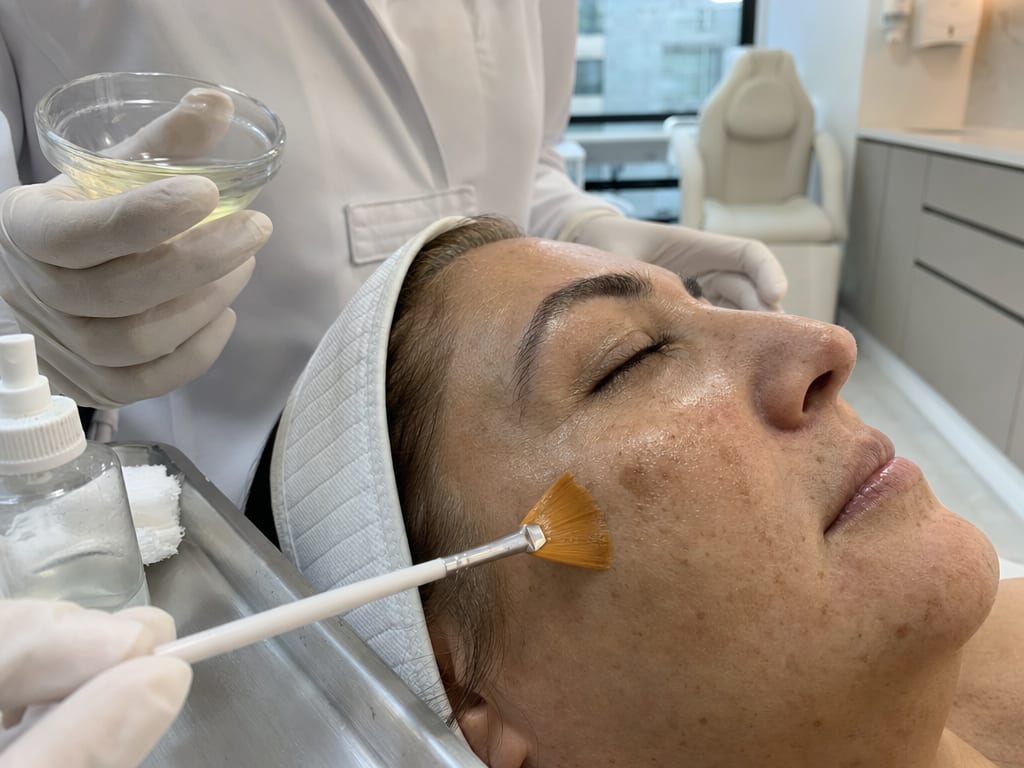 Dark spots and pigmentation
Chemical peel for dark spots
A chemical peel for dark spots uses solutions that exfoliate the superficial layers of the skin in a controlled way. It helps…
See treatmentFrequently asked questions
Does a chemical peel hurt?
During application it’s normal to feel burning, itching or warmth that builds a little with each layer and eases once the product is neutralized or removed. It’s tolerable, and the physician controls the intensity throughout. If it feels stronger than expected, application stops. It usually doesn’t require numbing.
How much recovery does an acne peel need?
It depends on the type of peel and your skin. Recovery generally takes 3 to 7 days, with redness, peeling and sensitivity. With superficial peels the peeling can be almost unnoticeable. Before the session we tell you what to expect so you can plan your schedule.
How many sessions are needed?
Some people notice clearer skin after the first session, but acne control is built over several spaced sessions. The number depends on severity, the type of lesions and how your skin responds. At the consultation you receive a written plan with the frequency and the estimated number of sessions.
Can I have a peel if I have active acne?
It depends on severity. In mild to moderate acne, the peel is part of the treatment. In severe, nodular or cystic acne, medical management comes first to control the deep inflammation: a peel at that point doesn’t solve it and can irritate. Once the skin settles, the peel enters the plan.
What side effects can it have?
The most common are redness, peeling, sensitivity or temporary irritation. On darker skin or after sun exposure a post-inflammatory dark spot can appear, which is why sun protection is mandatory. Done by a physician, with the right agent and the prescribed aftercare, the risk drops significantly.
Can I have a peel while pregnant or breastfeeding?
Some acids are not used during pregnancy or breastfeeding, and others are, at safe concentrations. It isn’t a menu decision: the physician reviews your case and decides whether to wait or which alternative to use. If you are pregnant or breastfeeding, say so at the consultation so we can adjust the plan.
Does it work on darker skin?
Yes, with care. For higher skin types we favor agents and concentrations that lower the risk of post-inflammatory dark spots, and sun protection is a mandatory part of the treatment. Prepping the skin at home beforehand also helps the result come out more even.
How is it different from IPL for acne?
A peel works on the surface: it unclogs the pore and renews the outer layer. IPL uses light to act on inflammation and redness. They don’t compete: in many cases they are combined in the same plan, spaced out over time. The consultation decides which comes first.
Is Chemical peel for acne right for you? · we’ll see at the consultation
Forty-five minutes with a physician, a skin analysis and a written, phased plan with complete prices. You decide afterwards, with no pressure. Living abroad? Start with a virtual consultation.