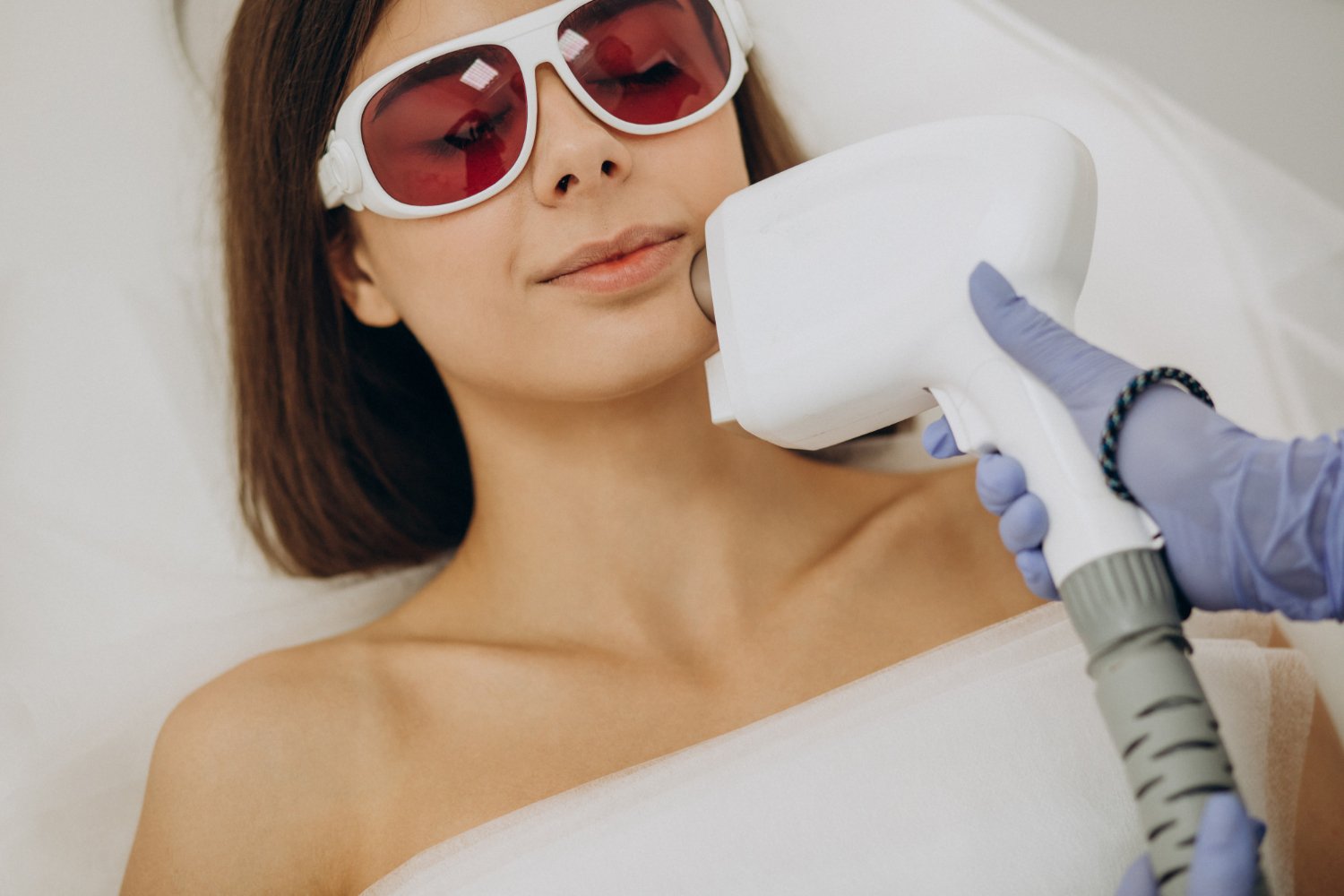
IPL (intense pulsed light) emits broad-spectrum light that turns into heat inside the skin. On the face it's used to treat sun spots and uneven pigmentation, rosacea redness and vessels, acne and inflammation, fine lines, uneven texture and enlarged pores. It usually takes 3 to 6 sessions spaced 3 to 4 weeks apart; results vary from patient to patient.
IPL (intense pulsed light) has changed aesthetic and skin medicine in recent years, thanks to its ability to treat many skin problems safely, effectively and with minimal invasiveness. One of its most popular uses is facial IPL for wrinkles, where it has shown benefits for improving skin tone, texture and overall appearance. But that's not the only way this technology can be used.
If you want to know what pulsed light is used for, how it works and what results you can expect, read on.
What is intense pulsed light?
Intense pulsed light, known as IPL, is a technology that emits pulses of broad-spectrum light onto the skin to treat a range of skin conditions. It's often mistakenly called an "IPL laser," but it isn't a laser: it's a device that emits several wavelengths at once.
This light penetrates the skin and turns into heat, which allows it to selectively destroy blood vessels dilated by rosacea, pigment accumulated in dark spots, and hair follicles. All while trying not to damage the healthy tissue around them.
Benefits of pulsed light treatment
Facial IPL offers a wide range of benefits, especially when it's applied to a specific area. Some of the most notable are:
- It improves skin tone and evens out pigmentation.
- It reduces sun spots, age spots and freckles.
- It reduces redness and visible signs of rosacea.
- It stimulates collagen production, improving skin firmness and texture.
- It helps control acne and improve the appearance of scars.
- It has a rejuvenating effect on the face.
What is facial IPL used for?
Facial IPL is one of the most versatile aesthetic treatments and, compared with some lasers, it usually has fewer side effects and a faster recovery. These are some of the problems it treats:
1. Sun spots and uneven pigmentation
Too much sun can cause melanin to build up, leading to dark spots. Intense pulsed light works by breaking down this pigment, which the body then clears on its own, leaving the skin lighter and more even.
2. Rosacea and redness
If you have rosacea, pulsed light is usually a good option for redness. This technology helps close the dilated vessels that cause the redness and improves how the skin looks progressively, session by session.
3. Acne and inflammation
Because it can reduce bacteria and inflammation, pulsed light treatment can also be effective against active acne. It also helps reduce the acne scars left behind.
4. Fine lines and uneven texture
The collagen stimulation produced by facial IPL improves skin elasticity and firmness. This translates into softer expression lines and, over the long term, can reduce the depth of wrinkles.
5. Enlarged pores
IPL's action on the deeper layers of the skin also helps reduce the appearance of open pores, for smoother, more luminous skin.
Where else can pulsed light be used?
Although it's very popular for the face, intense pulsed light is also used on other areas of the body:
- Legs and arms: IPL hair removal helps reduce unwanted hair and treat dark spots.
- Underarms and bikini area: useful for progressive hair reduction, session by session.
- Chest and hands: sun-exposed areas that often develop dark spots and loss of firmness.

Pulsed light for hair removal
One of the best-known uses of pulsed light is hair reduction. Here, the light pulses act on the melanin in the hair follicle and weaken it session by session. Although it takes several sessions, it's an effective option for reducing body hair progressively; results vary from patient to patient.
What is a facial IPL session like?
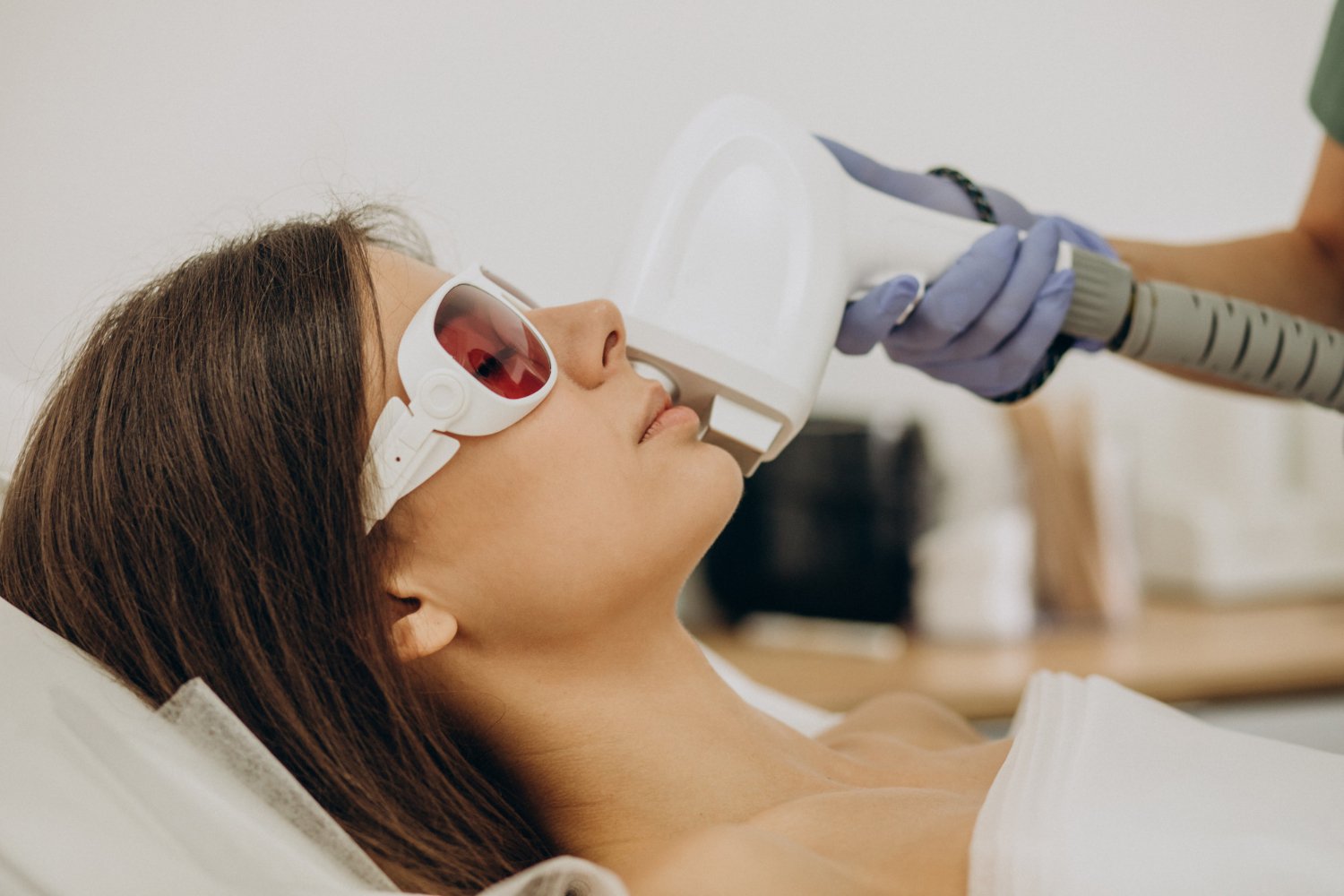
During an intense pulsed light session, the specialist applies a gel to the skin and then passes a device over it that emits the light pulses. The procedure can cause a mild sensation of heat or small pinpricks, with tolerable discomfort.
How long each facial IPL session takes depends on the area treated, and it usually doesn't go beyond 30 minutes. Afterward, some redness or mild swelling is normal and usually goes away within a few hours. That's why it's a comfortable treatment for many skin types and one of our favorites at IKI Skin Experts.
Care before and after treatment
For the treatment to be effective and safe, it's essential to follow a few recommendations:
Before facial IPL treatment:
- Avoid sun exposure for at least 4 weeks.
- Don't use self-tanner or skincare products on the day of the session.
- Tell the specialist about any medication that may make your skin more sensitive.
After pulsed light treatment:
- Apply SPF 50 sunscreen daily, especially strictly during the first week.
- Avoid irritating products such as AHAs and BHAs or exfoliants until your skin recovers.
How many IPL sessions does my face need?
The number of pulsed light sessions depends on the problem being treated. Generally, 3 to 6 sessions are recommended, spaced 3 to 4 weeks apart. Some people notice improvement from the first session; results vary from patient to patient.
Does pulsed light have side effects?
When performed by trained professionals, intense pulsed light treatment is safe and well tolerated. Even so, the face may show mild side effects from the light exposure, such as:
- Temporary redness
- Mild swelling
- A passing sensation of heat or burning
If facial IPL isn't applied correctly, blisters or changes in skin pigmentation can occur. That's why it's key to always go to trusted, experienced clinics.
IPL treatment isn't recommended in the following cases:
- Heavily tanned or sunburned skin
- Pregnancy
- Severe active acne
- History of keloid scars
- Recent use of photosensitizing medication
Pulsed light and laser aren't the same: the differences
Although both treatments use light to improve the skin or remove hair, there are important differences between facial IPL and laser:
- Laser: emits a single wavelength. It's more precise and effective on small areas or dark follicles.
- IPL (pulsed light): emits light across different wavelengths. It covers larger areas and treats several conditions at once.
In general, IPL is a good option if you're looking for a versatile, less invasive and more affordable treatment.
Skin types
Originally, IPL was recommended mainly for people with fair skin and dark hair because of the risk of damage to darker skin tones. However, technological advances have made it suitable for a wider range of skin types. On the other hand, certain lasers, such as the Nd:YAG, are designed specifically to treat darker skin safely and effectively.
Visit us and try facial IPL
Intense pulsed light, applied by trained professionals, is a safe and effective tool for improving the health and appearance of your skin. Because of its versatility, facial IPL has become one of the preferred options for treating dark spots, redness, signs of aging and other skin problems without resorting to aggressive procedures.
At IKI Skin Experts we have pulsed light technology and a medical team that first assesses whether it's the right treatment for your skin. If you're considering intense pulsed light, start with a free medical consultation. Your consultation at iki is free · 45 minutes.
Frequently asked questions
Is IPL the same as a laser?
No. A laser emits a single wavelength and is more precise on small areas or dark follicles. IPL emits light across several wavelengths, covers larger areas and can treat several conditions at once. In general, IPL is a versatile option, less invasive and more affordable than many lasers.
How many facial IPL sessions do you need?
It depends on the problem being treated. Generally 3 to 6 sessions are recommended, spaced 3 to 4 weeks apart. Some people notice improvement from the first session, but the exact number is set by the physician based on your skin and your goals. Results vary from patient to patient.
Does facial IPL hurt or have side effects?
It can cause a mild sensation of heat or small pinpricks, with tolerable discomfort. Afterward, mild redness or swelling is normal and usually goes away within a few hours, along with a passing feeling of warmth. If it isn't applied correctly, blisters or pigmentation changes can appear, which is why it's key to go to experienced professionals.
Who shouldn't have facial IPL?
It isn't recommended on heavily tanned or sunburned skin, during pregnancy, with severe active acne, with a history of keloid scars or with recent use of photosensitizing medication. Darker skin carries more risk, and in some cases lasers such as the Nd:YAG, designed to treat these skin tones safely, are preferred.
What care is needed before and after IPL?
Before, avoid sun for at least 4 weeks, don't use self-tanner or skincare products on the day of the session, and tell us about any medication that makes your skin more sensitive. Afterward, apply SPF 50 sunscreen daily, especially strictly during the first week, and avoid AHAs, BHAs and exfoliants until your skin recovers.
This article is for information only and does not replace a medical consultation. Results of any treatment vary from patient to patient. If you have a skin condition, book a consultation to get a diagnosis.