Post-op lymphatic drainage
Supporting your recovery · at the pace your surgeon sets
Post-op lymphatic drainage is a gentle manual technique that helps move swelling after plastic surgery. At iki we see patients after liposuction, tummy tuck (abdominoplasty) and breast surgery (mammoplasty), and we always work with their surgeon’s clearance and instructions. We tell you clearly what drainage can and can’t do.

Post-op lymphatic drainage is a manual technique of slow, gentle movements that helps move fluid that builds up after plastic surgery, such as liposuction, tummy tuck or breast surgery. At iki it starts once the surgeon clears it, with single sessions or a 10-session plan. It gradually reduces swelling and the feeling of firmness; results vary from patient to patient.
- When to start
- Once your surgeon clears it
- Plan
- Single session or 10-session plan
- Frequency
- More frequent at first · spaced out as you heal
- Technique
- Manual · slow, painless movements
- Surgeries
- Liposuction, tummy tuck, breast surgery and others
- Compression garment
- Removed for the session and put back on
Who it’s for · and who it isn’t
Indicated when
- Patients after liposuction, liposculpture, tummy tuck or breast surgery
- Swelling, heaviness or hardened areas in the weeks after surgery
- Anyone whose surgeon has cleared them to start drainage
- Anyone who wants structured follow-up with a medical record, not an isolated massage
Not the right time if
- Fever, wound infection, discharge or a bad smell · the surgeon checks first
- Suspected thrombosis: pain, warmth or swelling in one leg only · this is an emergency
- No clearance from the surgeon, or drains the surgeon hasn’t said to manage
- Open wounds or wound separation (dehiscence) in the area to be treated
The physician makes the final indication at the consultation. Results vary from patient to patient.
What post-op lymphatic drainage at iki looks like
The first appointment is clinical. Before touching the area, we review the surgery, the surgeon’s instructions and how your recovery is going.
History and clearance
We ask for the type of surgery, the date, the surgeon’s written instructions and your medications. If anything is unclear, we check with the surgeon who operated before we begin.
Checking the area
We look at the incisions, swelling, hard areas, color and temperature. If a warning sign appears, the session doesn’t happen and we guide you to contact your surgeon.
Drainage session
We remove the compression garment and apply slow, rhythmic, superficial movements that follow the lymphatic pathways toward the lymph nodes. It shouldn’t hurt. Areas with fat grafting are handled according to the surgeon’s instructions.
Garment and next appointment
We put the compression garment back on, well fitted and without folds. Sessions are more frequent at first and are spaced out as the swelling goes down. In the 10-session plan, we adjust the frequency to how you’re healing.
What it offers
Less swelling and heaviness
It helps move built-up fluid and eases the feeling of tightness.
Monitoring hard areas
We watch areas that harden so that fibrosis is caught early and the surgeon is alerted if needed.
Post-op lymphatic drainage with a medical record
Every session is documented: area, progress and findings.
Coordination with your surgeon
We respect the surgeon’s timeline and check with them whenever there’s a question. Drainage supports the surgery; it doesn’t replace it.
Technology with an indication
Manual lymphatic drainage technique
Post-op drainage doesn’t depend on a device: it is a manual technique, with minimal pressure and precise direction toward the lymph nodes. Firm pressure or painful massage isn’t indicated at this stage, because it can increase swelling. Later on, once the surgeon clears it, radiofrequency can be added to improve skin firmness.
Results and aftercare
Swelling goes down gradually over the following weeks, and drainage helps make that process more comfortable. It doesn’t speed up healing beyond what each body allows. It doesn’t drain a seroma that has already formed: that fluid is assessed by the surgeon. With established fibrosis, drainage helps monitor it and manage the surrounding swelling, but it doesn’t break it down on its own.
Aftercare after the session
- Wear the compression garment for as long as your surgeon indicates, well fitted and without folds
- Drink water and walk as your surgeon advises
- Don’t apply heat, direct cold or at-home massage with pressure on the area
- Check the incision daily and follow the wound-care instructions you were given
- Seek care right away for fever, increasing pain, shortness of breath or swelling in one leg only
Results vary from patient to patient. The pace of recovery is set by the surgery, the surgeon’s instructions and each body.
Pairs well with
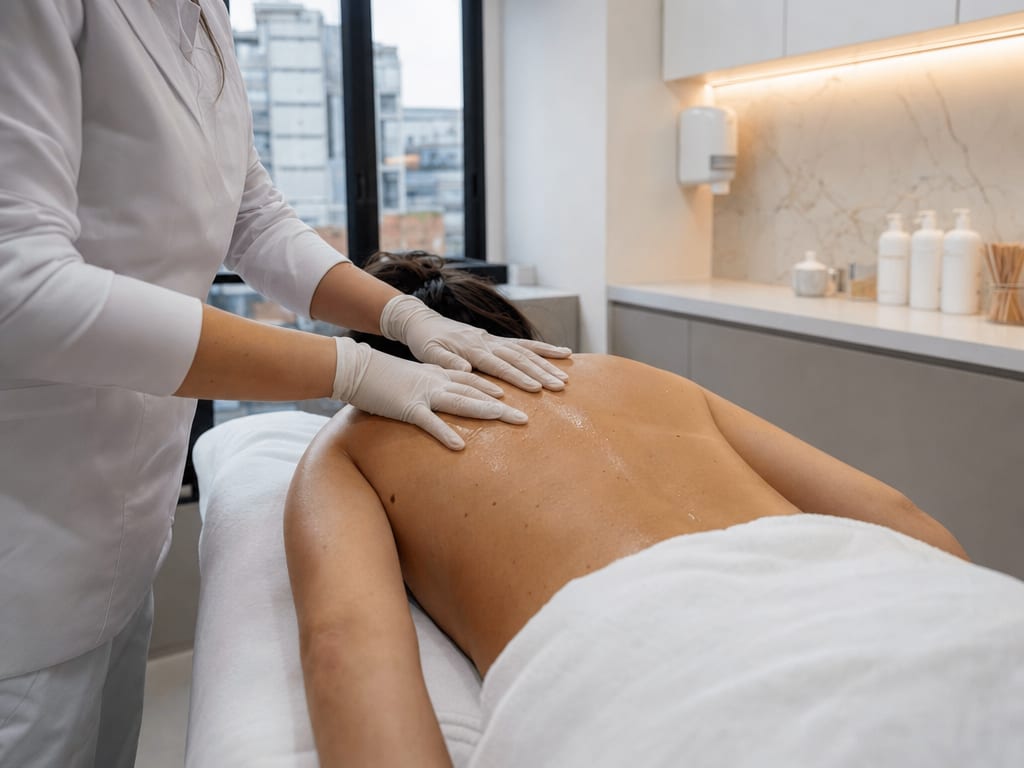 Body
BodyBody massage
At iki, body massage comes in three forms: relaxing stress relief, manual lymphatic drainage and post-operative support. Each has…
See treatment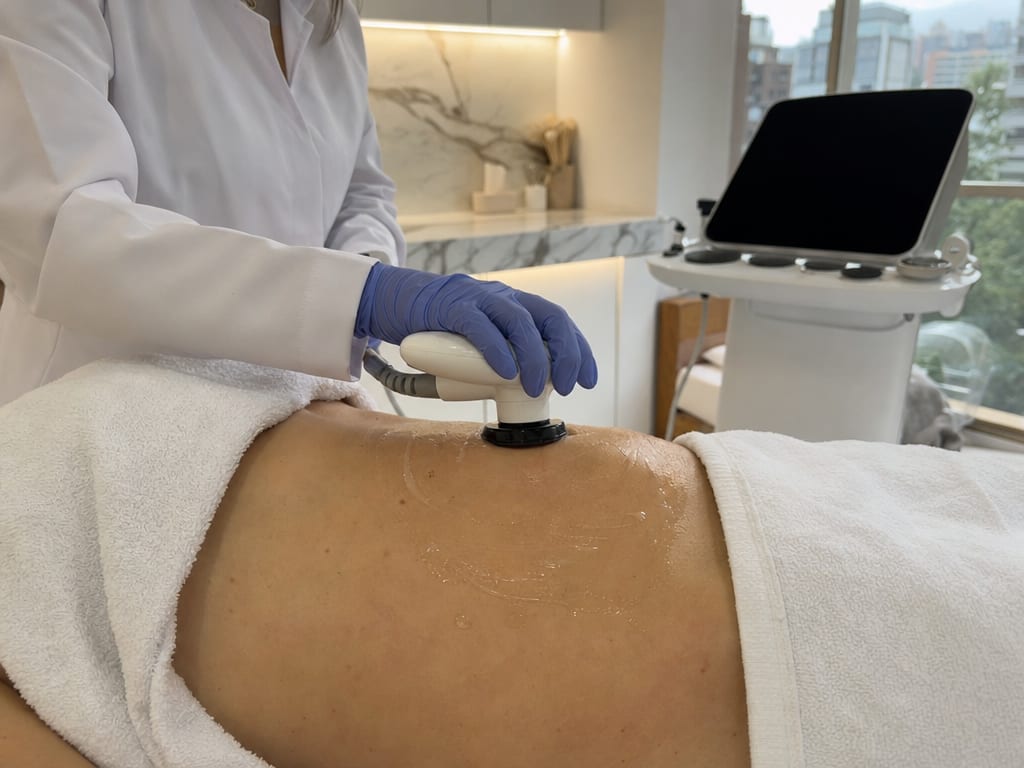 Body
BodyNuEra Tight
NuEra Tight is a radiofrequency treatment that heats the skin and superficial fat in a controlled way. At iki we use it for mild…
See treatmentFrequently asked questions
When can I start drainage after surgery?
When your surgeon clears it. After liposuction, it’s usually recommended in the first few days; after a tummy tuck or breast surgery, the timing depends on the incisions, the drains and the technique used. At iki we don’t start without that clearance. If you have it in writing, bring it to your first appointment.
How many post-op drainage sessions will I need?
It depends on the surgery, the size of the area and how you heal. At iki there are single sessions and a 10-session plan, which is the most common choice after liposuction or a tummy tuck. Sessions are more frequent at first and then spaced out as the swelling goes down.
Does lymphatic drainage work for a seroma?
No. A seroma is a collection of fluid under the skin, sometimes with a lump that moves when pressed. Manual drainage doesn’t remove it, and pressure can make it worse. If we notice a possible seroma, we stop working on that area and guide you to have the surgeon check it; the surgeon decides whether to drain it.
What about fibrosis · does drainage get rid of it?
Fibrosis is hard or uneven areas that form during internal healing. Drainage helps manage the swelling that contributes to it and lets us catch it early, but established fibrosis doesn’t break down with drainage alone. Once the surgeon clears it, other techniques such as radiofrequency can be added.
Do I have to take off my compression garment for the session?
Yes, only during the drainage. When we finish, we put it back on, well fitted, without folds or wrinkles, because a poorly fitted garment can mark the skin and leave grooves. Wear the garment for as long as your surgeon indicates; don’t stop on your own even if you feel well.
What warning signs should I watch for?
Fever, pain that increases instead of decreasing, redness and warmth at the incision, discharge or a bad smell, a growing lump, or pain and swelling in one leg only. Shortness of breath or chest pain are reasons to go to the emergency room without waiting. If you notice any of these signs, contact your surgeon.
Does post-op lymphatic drainage hurt?
It shouldn’t hurt. The movements are slow and superficial. There may be tenderness in swollen or bruised areas, and the pressure is adjusted to what you tolerate. Painful or firm-pressure massage isn’t indicated after surgery, because it can increase swelling.
How much does post-op lymphatic drainage cost?
It depends on the number of sessions and whether you choose single sessions or the 10-session plan. You receive written prices at the free consultation, along with your plan and the suggested frequency for your surgery. Your consultation at iki is free · 45 minutes · with a diagnosis and a written plan.
Read before your appointment
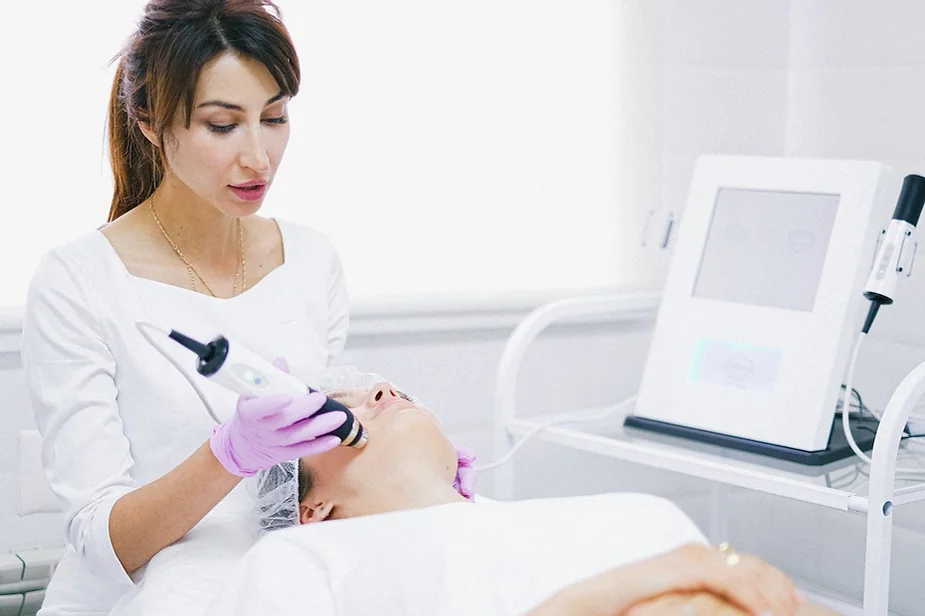
Is Post-op lymphatic drainage right for you? · we’ll see at the consultation
Forty-five minutes with a physician, a skin analysis and a written, phased plan with complete prices. You decide afterwards, with no pressure. Living abroad? Start with a virtual consultation.