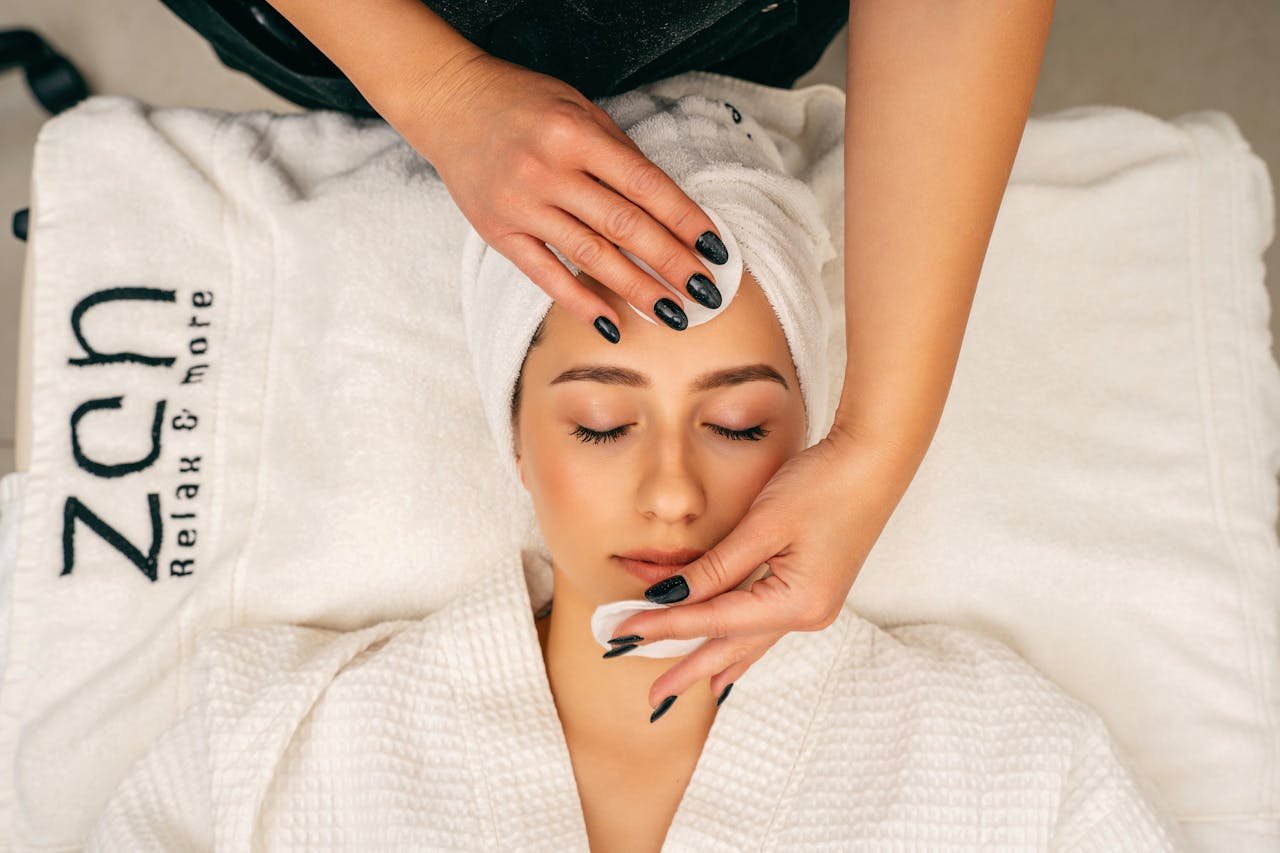
After a facial treatment, protect your skin from the sun with a broad-spectrum sunscreen, keep it hydrated, avoid heat, sweat and makeup for the first few hours, and don't touch or massage the treated area. Each procedure has its own guidelines: fillers, Botox, mesotherapy, laser or peels. Following them reduces irritation and helps your results last longer.
If you want to keep the results of a facial treatment, it's important to follow your physician's guidelines. Otherwise, Botox may shift to another area of the face, or you could get a burn from overexposure to sunlight.
Aftercare is designed to help you keep the results of an aesthetic procedure as long as possible, while ensuring a safe and successful recovery. That's why in this article you'll find tips for caring for your skin after a facial treatment and specific protocols for caring for your skin at home.
What aftercare should you follow after a facial treatment?
Understanding how your aesthetic treatment works is the first step to caring properly for the results. Not every procedure involves lasers or harsh chemicals that can leave your skin especially sensitive. There's also a range of injectable treatments, whose aftercare depends on your aesthetic goals.
Here are the general guidelines for caring for your skin after a facial treatment:
- Proper hydration: drink enough water to keep your skin and face hydrated during the first few weeks.
- Sun protection: unless your physician advises otherwise, remember to apply broad-spectrum sunscreen to the treated area to protect the skin from UV damage.
- Balanced nutrition: eat foods rich in vitamins and minerals to support skin regeneration after a facial treatment.
- Less tobacco and alcohol: limit alcohol and tobacco during the first few weeks to improve healing and results.
- Rest and stress reduction: sleep at least 8 hours a day and practice stress-reduction techniques, because emotions also affect the results of some aesthetic procedures.
This care is key to supporting the effectiveness and extending the results of any aesthetic treatment. However, if you're thinking about having IPL or getting dermal fillers, you should also include aftercare specific to that procedure.
Aftercare for hyaluronic acid
Hyaluronic acid is a type of sugar (a polysaccharide) found naturally in our body and known for its ability to hydrate and add volume. When skin ages and sinks into wrinkles, we use this substance to fill the area and improve the look of the face.
After a facial treatment with hyaluronic acid for dark circles or lips, it's important to follow these guidelines to keep the results:
- Avoid touching or pressing on the treated areas for the first 48 hours so the filler doesn't shift.
- Drink enough water to keep your skin hydrated during recovery.
- Don't do intense exercise for the first 24 hours.
- Avoid extreme heat for the first few days, because it can affect how the dermal filler looks.
Aftercare for mesotherapy
Facial mesotherapy isn't a product in itself but a technique that involves injecting vitamins into the dermis. If your face has hyperpigmentation, whether from acne or because you have melasma, mesotherapy with tranexamic acid and niacinamide can be an option.
Keep in mind, though, that after this facial treatment you need the following aftercare:
- Avoid hot showers for the first 24 hours to prevent steam on your face.
- Don't wear any makeup on your face after mesotherapy, because it could clog pores and irritate the skin.
- Avoid exercise on the first day of recovery, or the sweat will make you itch.
- Cleanse your face with a facial toner; it will help remove impurities after the facial treatment.
- Remember to apply moisturizing creams to your face, such as collagen ampoules, and sunscreen before you go out.
Aftercare for IPL and rejuvenation lasers
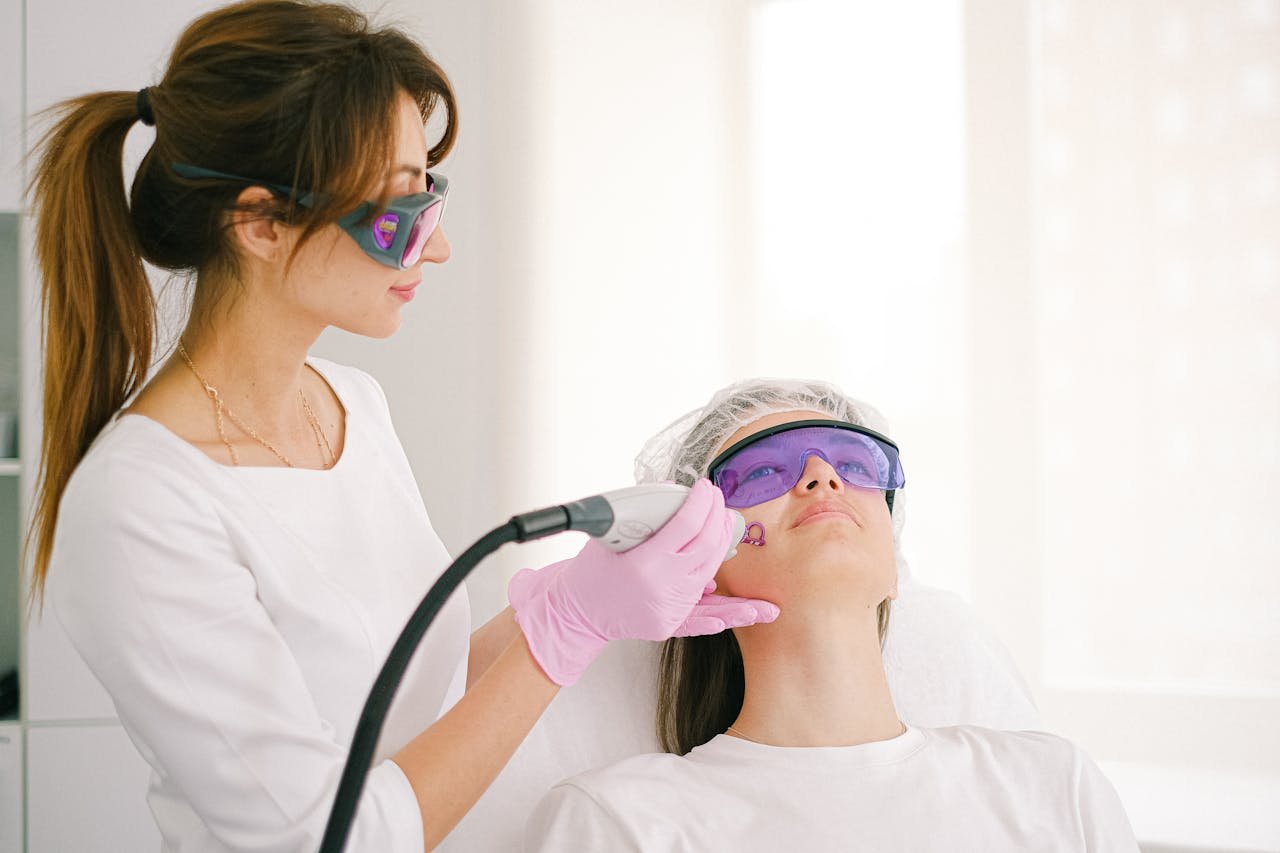
IPL (intense pulsed light) is one of the most current technologies for skin rejuvenation, using pulses of intense light to treat a range of skin problems. These light pulses penetrate deep layers of the skin to treat problems such as facial redness, sun spots or acne.
If you're thinking about trying pulsed light or any laser treatment to improve your skin, follow these guidelines in the days afterward:
- Use sunscreen with SPF higher than 30 right after the facial treatment, because lasers make skin more sensitive to UV rays.
- For the first 24 to 48 hours, apply cold compresses every 2 hours to reduce irritation.
- When your physician gives the go-ahead, go back to your skincare routine; some actives, such as vitamins C, E and A, can support regeneration of the area.
- Avoid putting on makeup too soon, or you could get facial irritation.
Aftercare for a facial chemical peel
A chemical peel is made up of different acids that exfoliate the top layer of the skin to promote the growth of new, younger, healthier skin. There are many exfoliants with alpha (AHA) and beta hydroxy acids (BHA) that you can apply at home, but depending on how deep the treatment needs to go, a professional may be needed to apply it.
If you have acne and want to improve how your face looks, a chemical peel can be an option. Keep in mind that after a treatment that acts on the layers of the skin, you'll need several kinds of aftercare:
- Don't use products that contain alcohol after the procedure, because they can irritate the skin. Choose toners and cleansers for sensitive skin.
- Use lukewarm water to wash your face for the first few weeks, neither very hot nor very cold, to avoid burns.
- Some peeling is normal after a chemical peel, so don't touch or pull off the flaking skin, especially in the first 24 hours.
Aftercare for Botox
Botox is a treatment that has been the subject of a lot of controversy, because it's often confused with filler treatments. However, botulinum toxin is a minimally invasive treatment and, when properly indicated, a safe way to prevent expression lines by placing doses in the facial muscles.
If you want this substance applied to your forehead or cheekbones, follow these aftercare guidelines:
- Avoid lying down for at least four hours after the facial treatment, to keep the Botox from moving to unwanted areas.
- Limit facial movements, including smiling and frowning, for the first 24 hours.
- Don't do intense exercise, or any exercise that keeps you face down for a long time, until at least a week after the session.
- Avoid massaging or applying products to the area until the botulinum toxin is well distributed.
What to expect after a facial treatment
It depends on the treatment you chose. The most common side effects are redness and swelling in the treated area during the 24 hours after treatment. These effects result from the skin having been worked on, so they're usually temporary and fade as your body adjusts to the change.
Some patients may also have allergic reactions after a facial treatment, either because they didn't mention their allergies before the procedure or because of an error during application. That's why it's important to find an aesthetic clinic with professionals experienced in the treatment you want for your face.
Caring for your skin after a facial treatment is essential to keep the benefits over the long term and avoid unnecessary risks. The general recommendations we've mentioned don't replace a consultation with our medical team at iki. If you have questions, book a free medical consultation and we'll help you plan your treatment with good judgment.
Why you should follow your aftercare
Specialists aren't exaggerating when they recommend drinking plenty of water or taking a day of rest after a facial treatment. Any clinical treatment needs time for the skin to recover properly; otherwise you could end up with long-term irritation and see no results at all.
Other benefits of following the aftercare a specialist recommends include:
- Assessment of results: if you follow the guidelines and attend follow-up visits, the clinic can thoroughly assess the results of the treatment to make sure you're reaching your aesthetic goals.
- Personalized adjustments as needed: if the results aren't what you expected, or if complications arise, these appointments are the right time to adjust the recovery plan.
Follow your specialist's skincare instructions, stay properly hydrated, avoid sun and sweat, eat a healthy diet and get enough rest. And if you have any complication after a procedure, come back to the clinic.
At iki we support each patient through their recovery, because following aftercare guidelines affects the result. If you're considering a procedure, book a free medical consultation and we'll go over it with you. Results vary from patient to patient. Your consultation at iki is free · 45 minutes.
Frequently asked questions
What shouldn't I do after getting Botox?
For at least four hours you shouldn't lie down, to keep the toxin from moving to unwanted areas. In the first 24 hours, it's recommended to limit strong facial expressions and not massage or apply products to the area. You should also avoid intense exercise and staying face down for long periods in the following days, as your physician advises.
What aftercare does skin need after hyaluronic acid?
For the first 48 hours, avoid touching or pressing on the treated areas, such as the under-eyes or lips, so the filler doesn't shift. Don't do intense exercise in the first 24 hours, and avoid extreme heat for the first few days, because it can affect how the filler looks. Keep your skin hydrated and follow your physician's specific instructions.
When can I wear makeup again after a facial treatment?
It depends on the procedure. After mesotherapy, it's recommended not to wear makeup on the first day, because it can clog pores and irritate the skin. After IPL, laser or a chemical peel, it's best to wait until the irritation has settled. Your physician will tell you exactly when, based on the intensity of the treatment and how your skin responds.
Is it normal to have redness or swelling after a facial?
Yes. The most common side effects are redness and swelling in the treated area during the first 24 hours. They result from the skin having been worked on and are usually temporary. If you have reactions that don't go away, severe pain or signs of an allergy, the right step is to come back so the medical team can check it.
What aftercare does skin need after a chemical peel?
Some peeling is normal after a chemical peel. Don't touch or pull off the flaking skin, wash your face with lukewarm water, avoid products with alcohol and use cleansers and toners for sensitive skin. Broad-spectrum sunscreen is a must, because freshly exfoliated skin is more sensitive to UV radiation.
This article is for information only and does not replace a medical consultation. Results of any treatment vary from patient to patient. If you have a skin condition, book a consultation to get a diagnosis.