Hyaluronic acid fillers
Restore what was lost · without changing who you are
Hyaluronic acid is an injectable gel that restores volume and support where the face has lost them over the years: cheekbones, folds, chin or jawline. You see the effect from the session, and it is reversible. At iki it’s used sparingly and well · proportion before quantity.
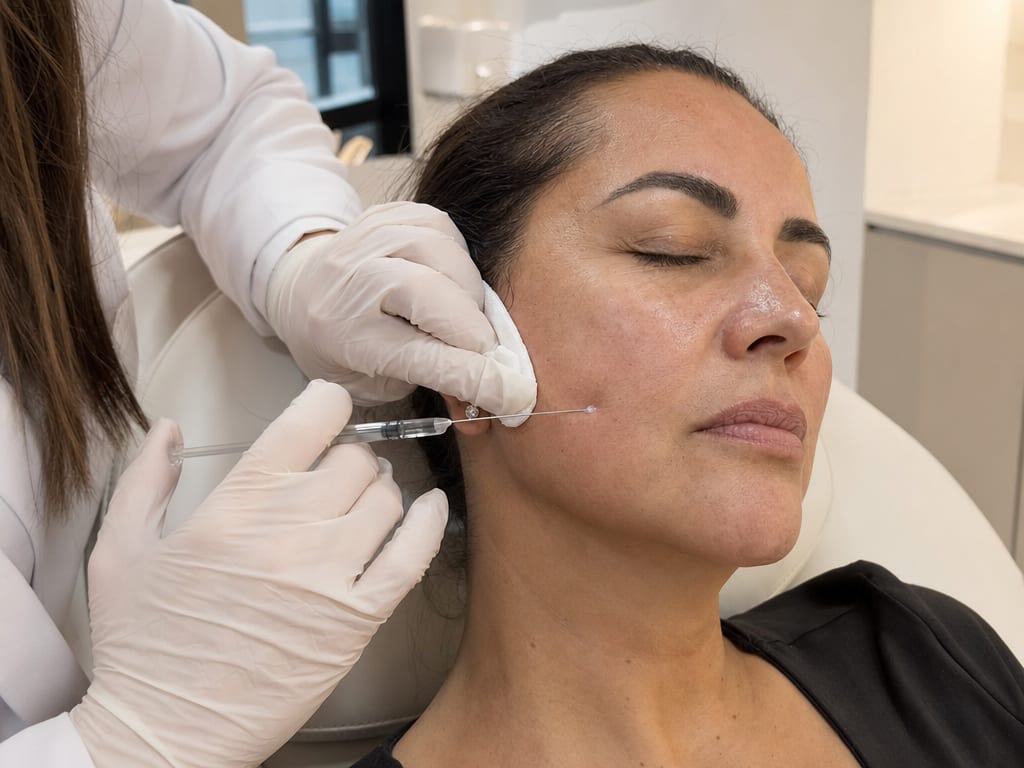
Results in anti-aging and skin laxity · identity protected
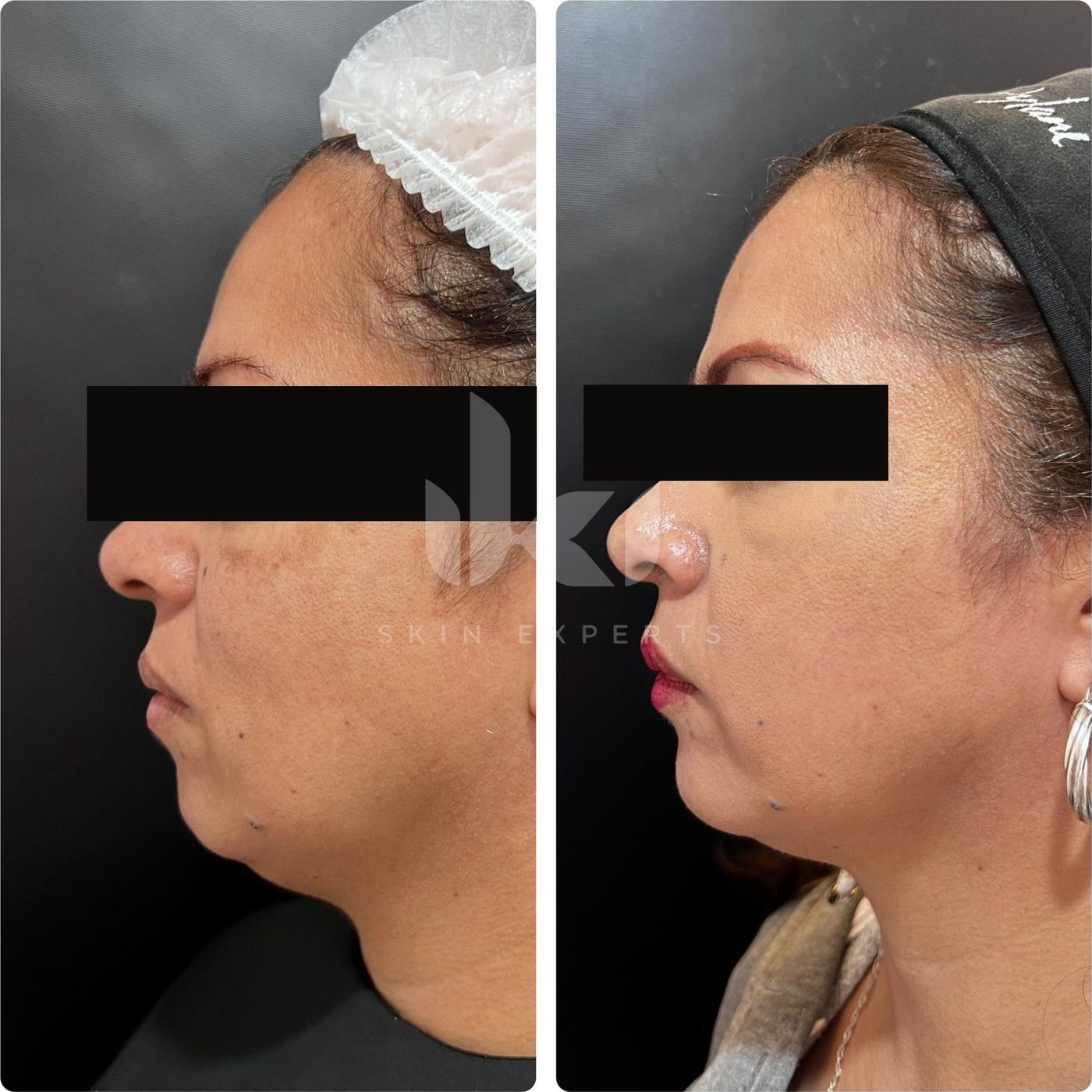
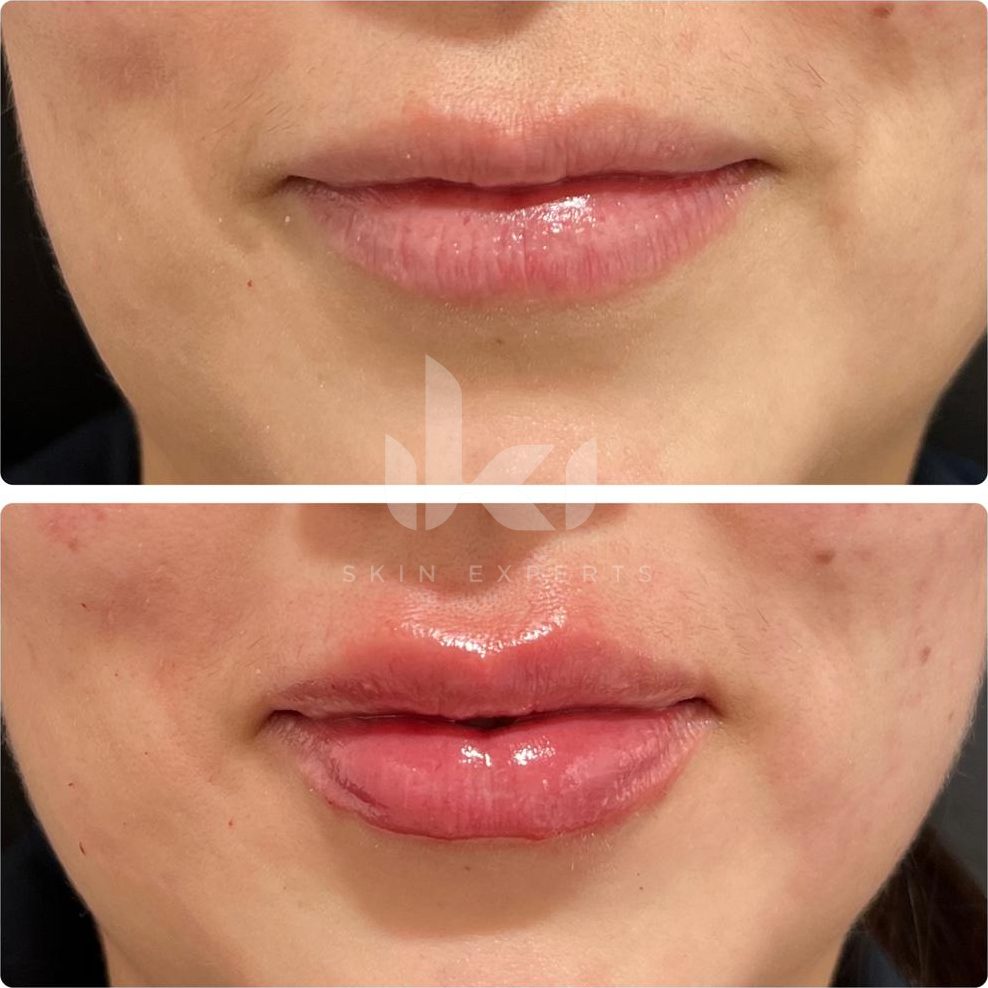
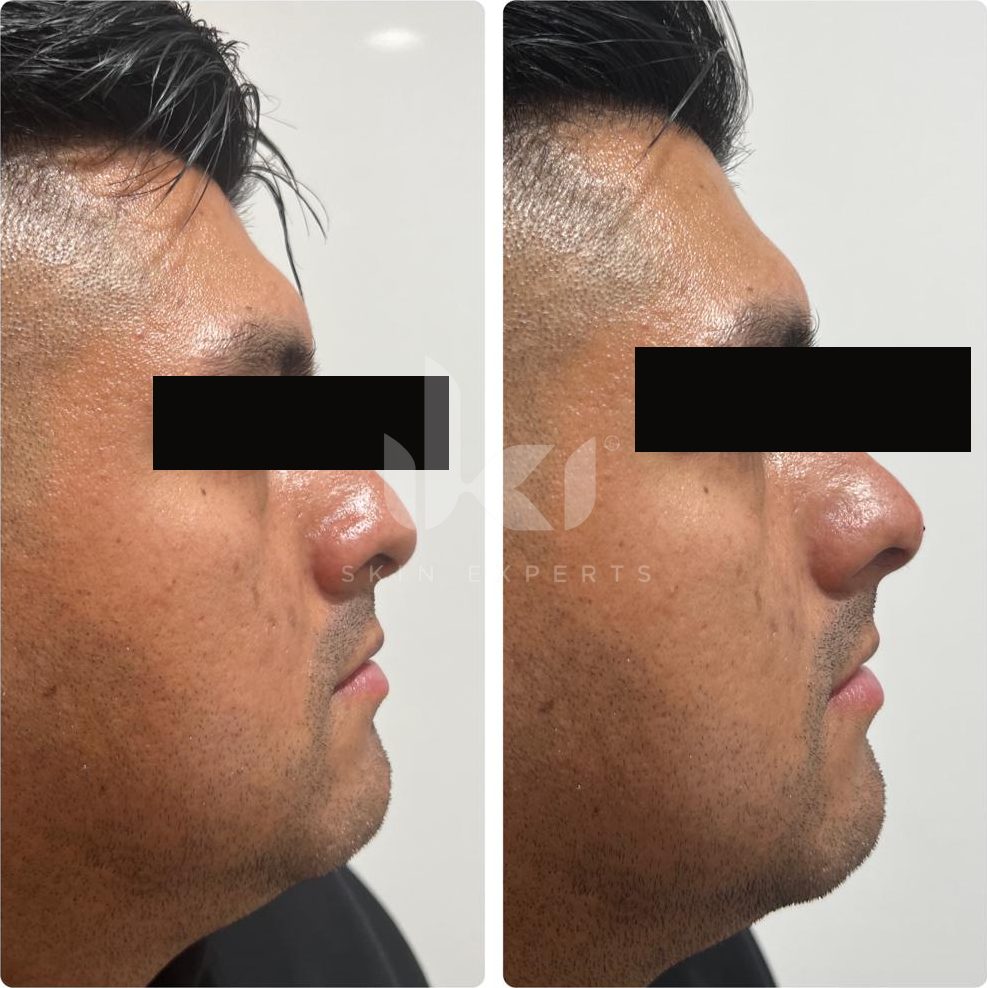
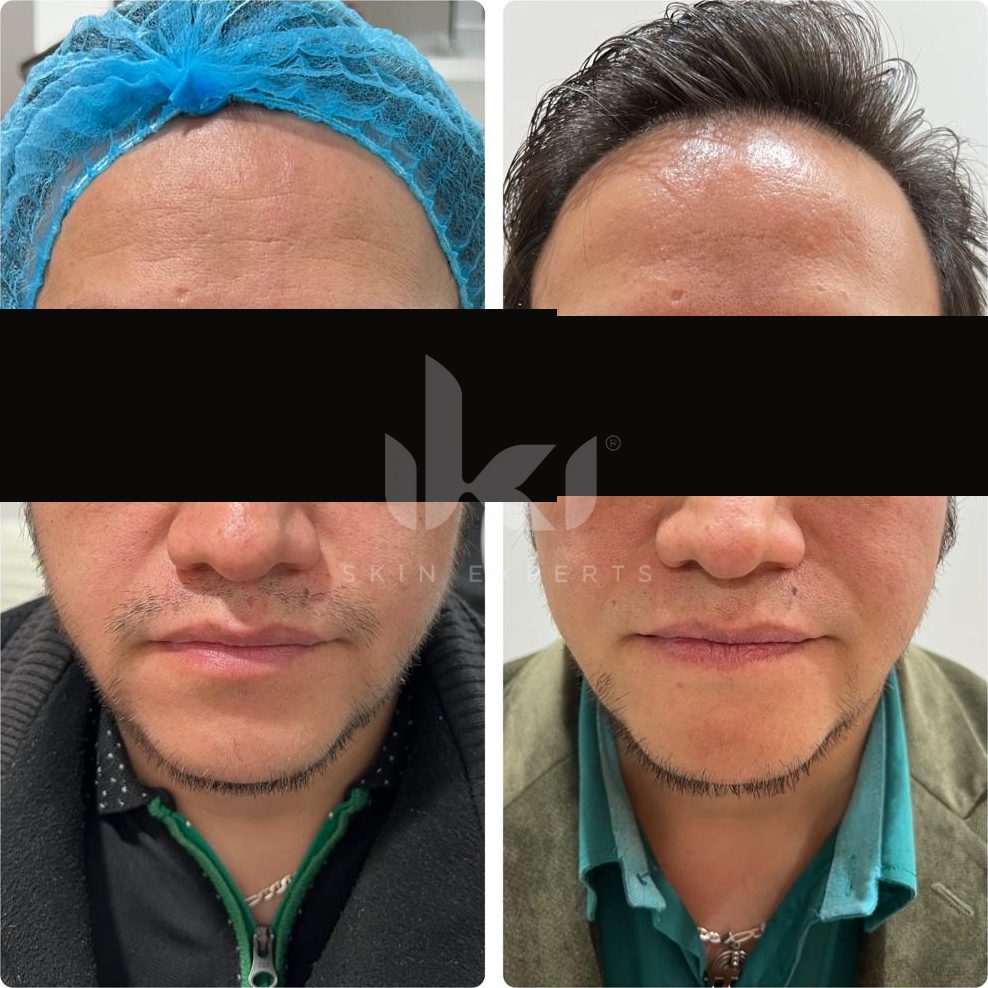
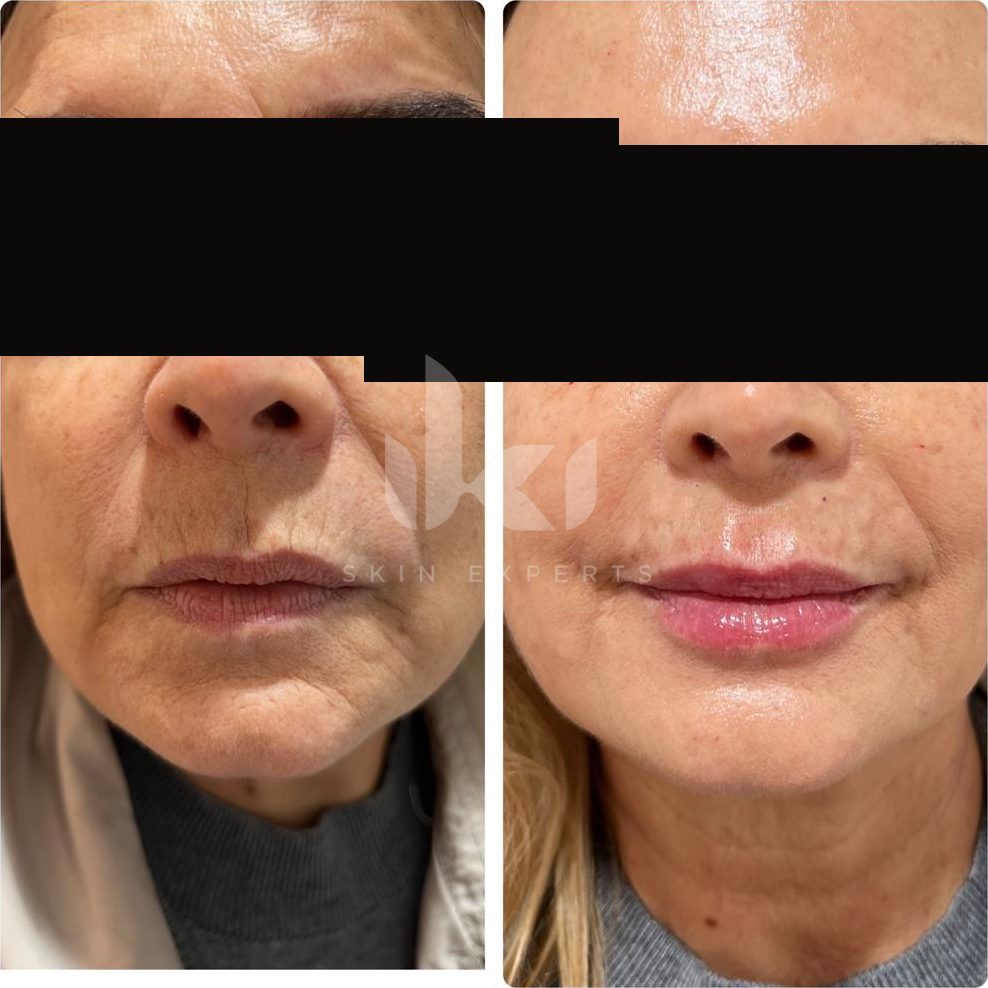
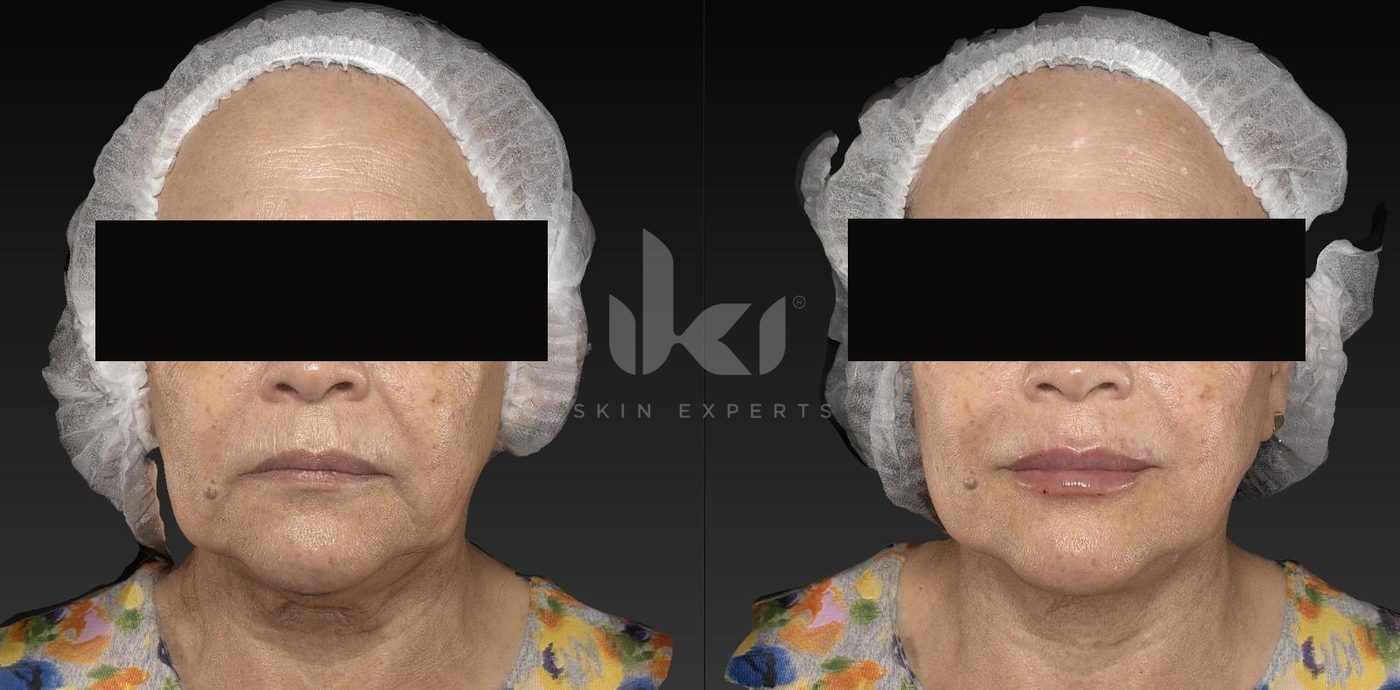
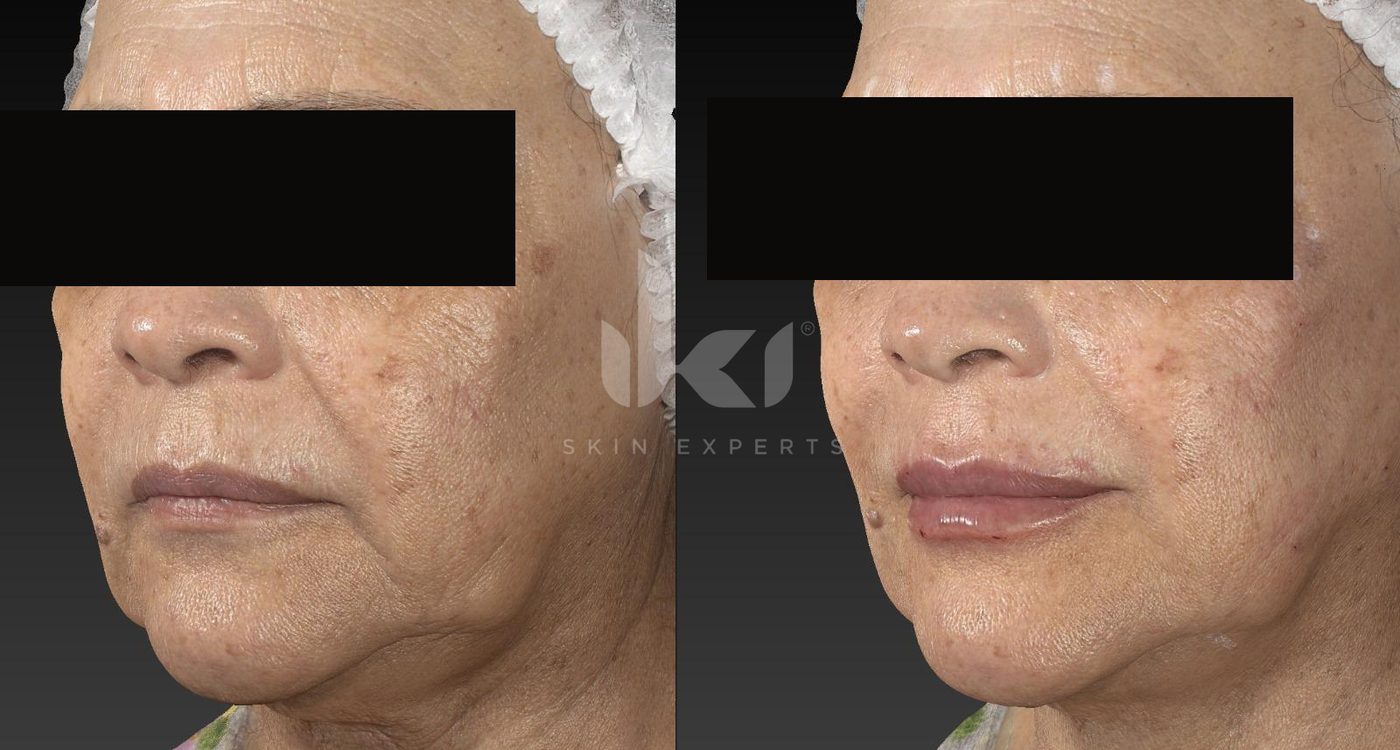
Photos of patients treated at iki, published with their authorization and with their identity covered. Each case had its own diagnosis and plan; the exact treatment may combine several techniques. Results vary from patient to patient. See all cases.
Injectable hyaluronic acid is a skin-compatible gel filler that restores volume and softens folds and static wrinkles in areas such as the cheekbones, nasolabial folds, chin or under the eyes. At iki it is placed with a needle or cannula after a medical consultation. The change shows from the session, settles in about two weeks and usually lasts several months.
- Session length
- 30–60 min depending on the area
- Sessions
- 1 · touch-up only if indicated
- Downtime
- Mild swelling · 24–72 h
- Result
- Visible from the session · settled at 2 weeks
- Typical duration
- Usually lasts up to 18 months depending on the area
- Areas
- Cheekbones, folds, under-eyes, chin, jawline
Who it’s for · and who it isn’t
Indicated when
- Volume loss in the cheekbones, temples or midface
- Nasolabial folds or marionette lines deepened by loss of support
- Under-eye hollows (not pigmentation), after assessment
- Chin or jawline definition
Not the right time if
- Pregnancy or breastfeeding
- Active cold sores, infection or inflammation in the area
- Severe sagging · adding volume doesn’t replace support that is no longer there
- Expecting to change your features, or a result that doesn’t look natural
The physician makes the final indication at the consultation. Results vary from patient to patient.
What a hyaluronic acid filler at iki looks like
Filling isn’t stuffing. First we understand where support was lost, then decide how much product the face needs · often less than expected.
Consultation and proportions
The physician assesses bone structure, fat and skin at rest and in motion. They set the areas, type of gel and amount in a written plan.
Preparation
Clinical photos, disinfection and topical anesthetic. Many gels contain lidocaine to reduce discomfort during the injection.
Injection
The gel is placed in the indicated layer with a fine needle or cannula, in small amounts, checking symmetry throughout.
Follow-up
At 2–3 weeks, once the swelling has gone down, the result is assessed and the physician decides whether a touch-up is needed.
What it offers
A visible change from the session
The volume shows when you finish and settles in about two weeks, as the swelling goes down.
Reversible
If something doesn’t turn out as planned, hyaluronic acid can be dissolved with an enzyme called hyaluronidase.
Skin-compatible
It’s a molecule your body already produces. It is gradually reabsorbed over time.
A gel for each area
There are gels of different densities for cheekbones, folds, under-eyes or lips. The product is chosen for the area · not one syringe for everything.
Technology with an indication
Hyaluronic acid gels
We work with hyaluronic acid gels from different manufacturers and in different densities, because a cheekbone and an under-eye don’t call for the same product. Firmer gels give projection and support; softer ones blend into thin, mobile areas. The physician chooses based on the area, skin thickness and the goal.
Results and aftercare
The volume shows at the end of the session, with some swelling that usually subsides within 24 to 72 hours. The settled result is assessed at 2–3 weeks. Depending on the area, the product and your metabolism, the effect usually lasts up to 18 months; in areas with a lot of movement, such as the lips, it tends to last less. Hyaluronic acid restores volume · on its own, it doesn’t treat skin laxity.
Aftercare after the session
- Intermittent cold compresses for the first few hours if there is swelling
- Don’t massage the area unless the physician tells you to
- Avoid intense exercise, saunas and heat for 24–48 hours
- Avoid alcohol on the day of treatment
- Seek care right away if you notice intense pain, paleness or a change in skin color
- Daily sunscreen
Results vary from patient to patient.
Pairs well with
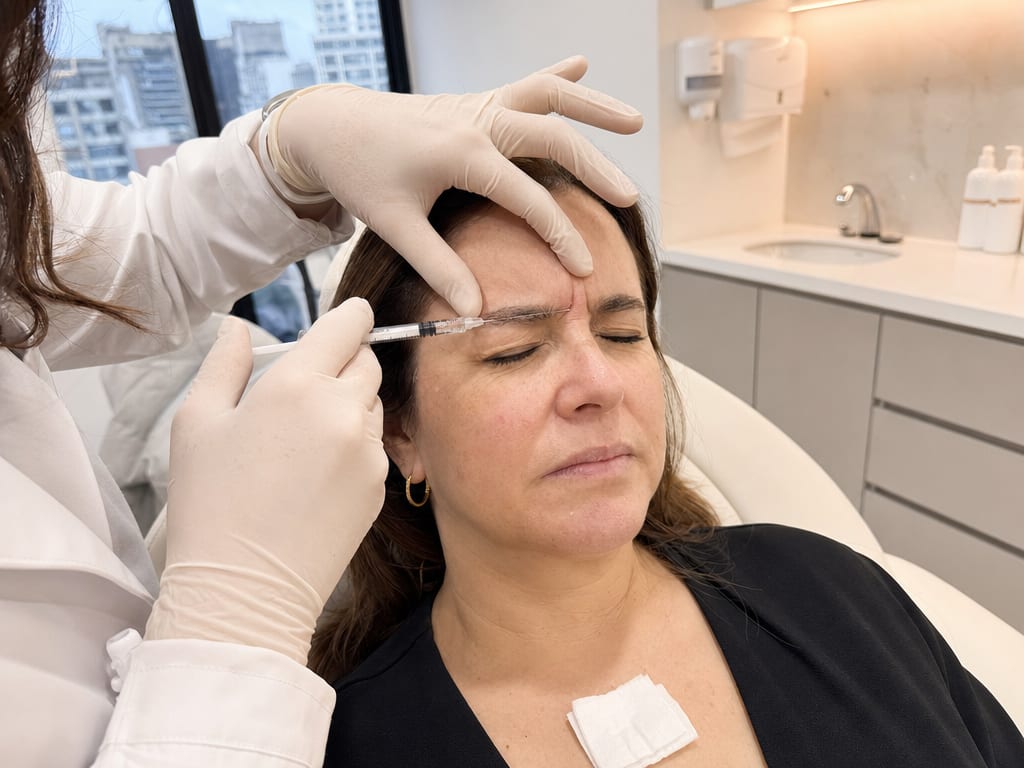 Anti-aging and skin laxity
Botox
Botulinum toxin temporarily relaxes the muscles that etch expression lines into the forehead, the frown area and the crow’s feet.…
See treatment Anti-aging and skin laxity
HIFU for skin laxity
HIFU uses focused ultrasound to heat deep layers of the skin and stimulate new collagen, with no incisions and no needles. It…
See treatment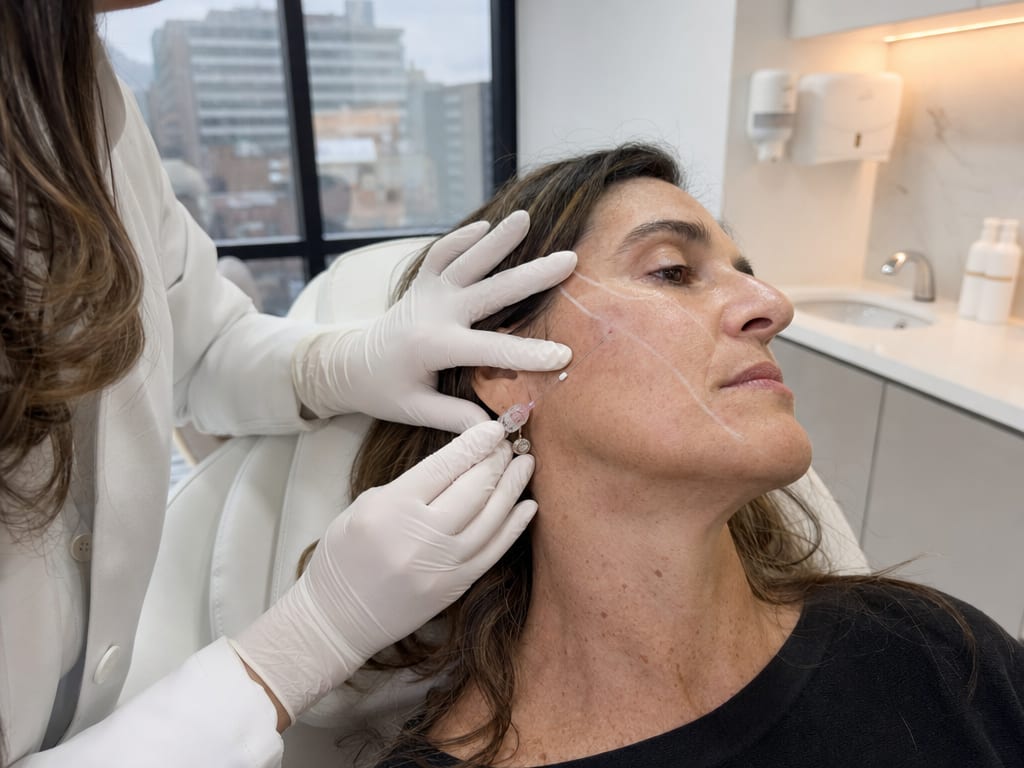 Anti-aging and skin laxity
HArmonyCa
HArmonyCa is a hybrid injectable: it combines hyaluronic acid, which gives support from the session, with calcium hydroxylapatite…
See treatmentFrequently asked questions
Do hyaluronic acid fillers hurt?
A topical anesthetic is applied and many gels contain lidocaine, so most people feel pressure and brief pinpricks rather than pain. Areas such as the lips or folds are more sensitive than the cheekbone. The discomfort ends with the session, which takes 30 to 60 minutes depending on the area.
How long does hyaluronic acid last?
It usually lasts up to 18 months, depending on the area, the density of the gel and each person’s metabolism. In areas with a lot of movement it lasts less than in stable areas such as the cheekbone. Results vary from patient to patient, and maintenance is decided at follow-up, not by calendar.
What if I don’t like the result?
Hyaluronic acid is reversible: it can be dissolved with an enzyme, hyaluronidase, injected by the physician. That’s why it’s the filler of choice when an area is treated for the first time. Even so, the best scenario is to plan well at the consultation and inject conservatively.
What side effects can it have?
Swelling, redness and sometimes bruising at the injection points are common, and usually subside within a few days. Less often, nodules or asymmetries can appear and are corrected. The most serious complication, though uncommon, is vascular: intense pain or a change in skin color requires immediate medical attention.
Does hyaluronic acid work for dark circles?
It works for under-eye hollows, when the shadow comes from volume loss beneath the eye. It doesn’t work for pigmented dark circles or prominent bags, and in some cases it can make them worse. It’s a delicate area that is assessed carefully before any filler is recommended.
Can I get hyaluronic acid while pregnant or breastfeeding?
No. During pregnancy and breastfeeding we postpone fillers as a precaution. They are also not used with active cold sores, infection in the area or uncontrolled autoimmune disease. At your consultation we review your history, medications and previous procedures before recommending it.
How is it different from HArmonyCa or Radiesse?
Hyaluronic acid restores volume from the session and is reversible. HArmonyCa and Radiesse contain calcium hydroxylapatite, which also stimulates collagen and works on firmness; Radiesse can’t be dissolved with hyaluronidase. The choice depends on whether the goal is volume, firmness or both, and is made at the consultation.
Read before your appointment

Is Hyaluronic acid right for you? · we’ll see at the consultation
Forty-five minutes with a physician, a skin analysis and a written, phased plan with complete prices. You decide afterwards, with no pressure. Living abroad? Start with a virtual consultation.