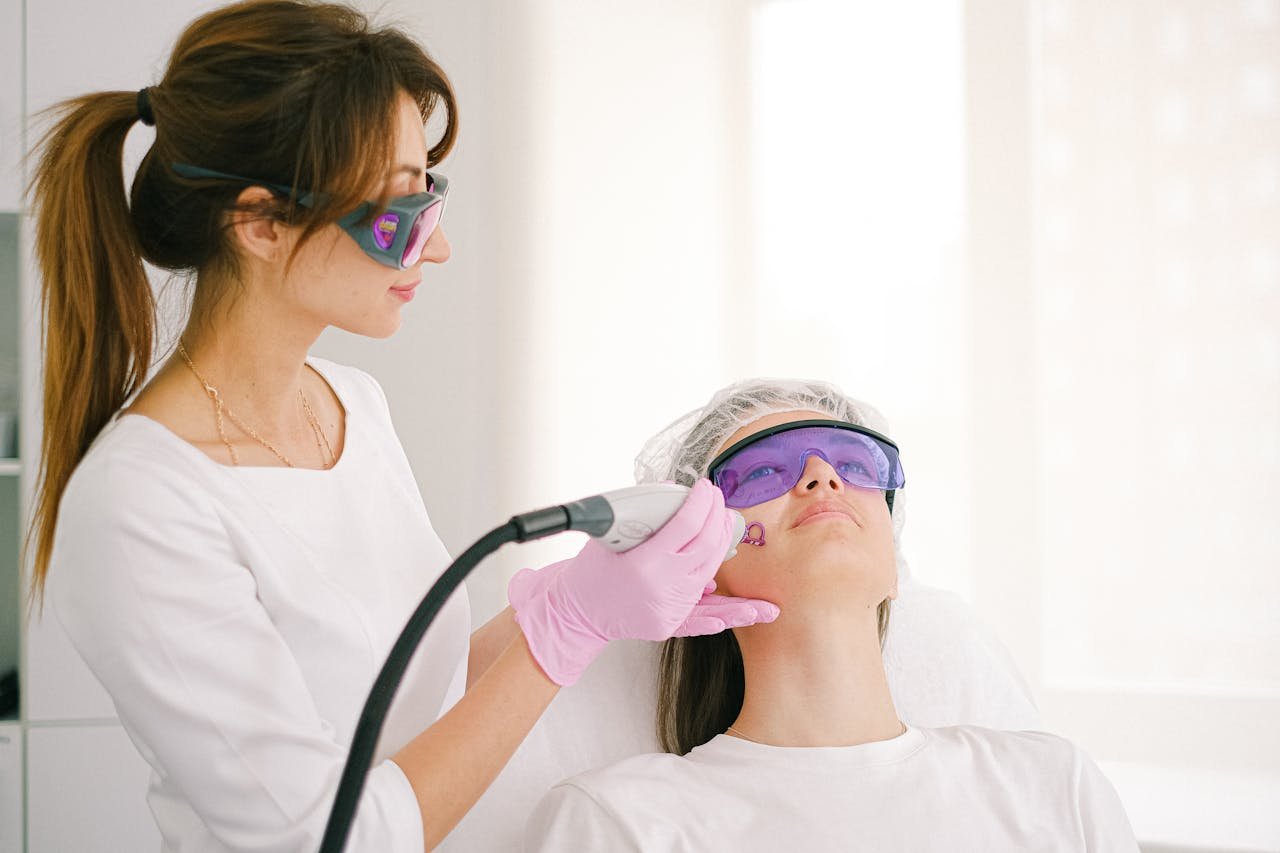
Facial HIFU is high-intensity focused ultrasound that heats precise points in the deep dermis and the SMAS layer, without cutting the skin, to stimulate new collagen. It is used for mild to moderate laxity of the jawline, double chin and neck. One session is usually enough, firmness appears in 2 to 3 months and the effect typically holds for 12 to 18 months.
Facial HIFU is a way to tighten the face without surgery: it concentrates ultrasound on precise points beneath the skin to stimulate new collagen in the deeper layers. There is no cutting and no wound, and firmness builds gradually over two to three months. It works well for mild to moderate laxity · it doesn’t replace surgery when there is excess skin.
What is facial HIFU?
HIFU stands for high-intensity focused ultrasound. Unlike diagnostic ultrasound, the energy here is concentrated on a small point at a fixed depth, the way a magnifying glass concentrates sunlight. That point heats up in a controlled way; the skin around it stays intact.
It isn’t a new technique: in 2009 the US FDA cleared the first microfocused ultrasound device for lifting the brow. Since then its use has expanded to the jawline, the double chin and the neck. At iki we use Liftera HIFU, as part of our HIFU for skin laxity treatment, and always after a medical consultation.
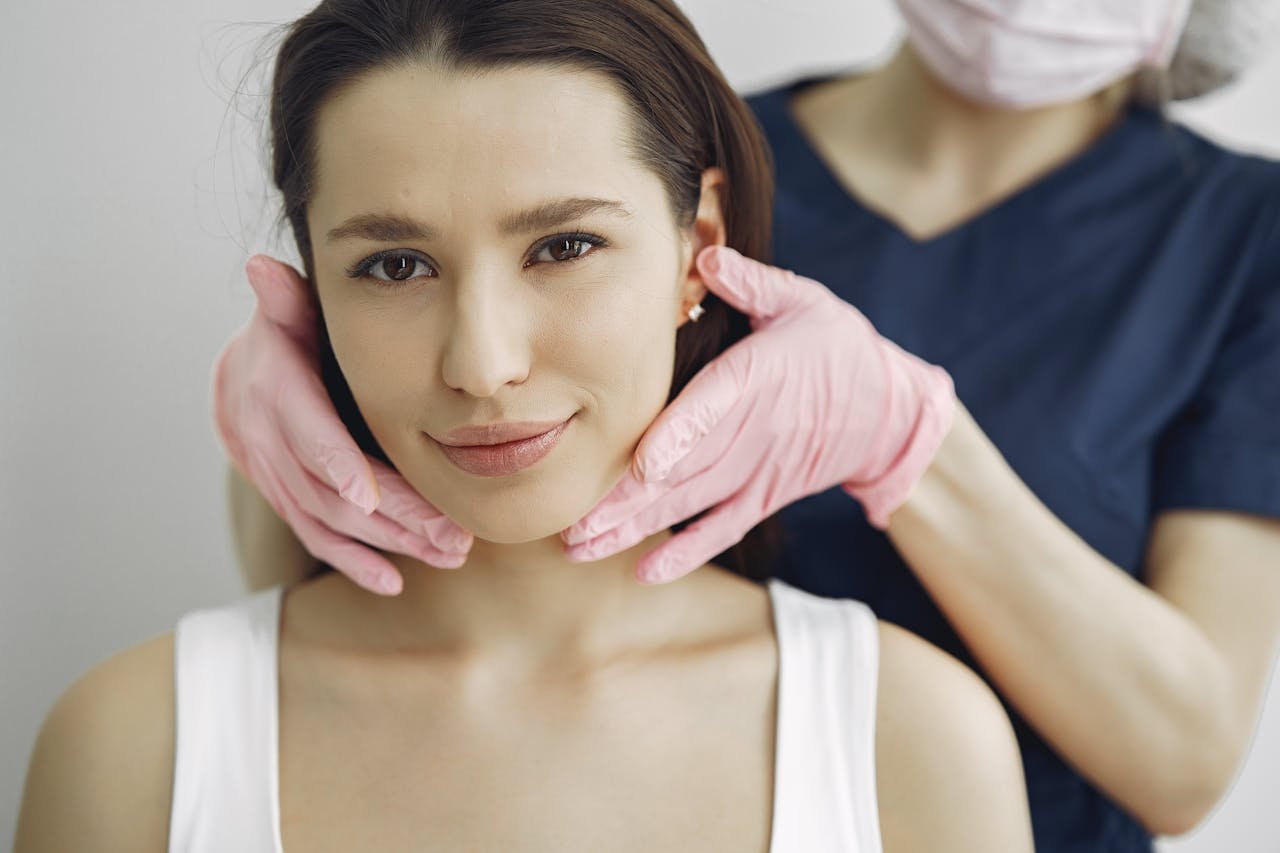
How HIFU works on the face
The device uses cartridges that reach fixed depths, usually 1.5, 3 and 4.5 millimeters. The deepest reaches the SMAS layer (superficial musculoaponeurotic system), the same layer that is repositioned in a surgical facelift and that supports the tissues of the face.
Each pulse creates a row of tiny thermal coagulation points. The body responds to that controlled injury as it would to a minimal wound: it contracts existing collagen fibers and, over the following weeks, produces new collagen and elastin. That’s why HIFU does two things on the face:
- It tightens the facial contour and jawline by working on the support layer.
- It improves firmness of the skin as new collagen forms.
A session takes 45 to 90 minutes depending on the areas. You feel heat and small pinpricks, a tolerable discomfort the physician controls by adjusting energy and depth.
Where is HIFU applied?
On the face, it is used mainly where the first signs of laxity appear:
- Facial contour and jawline, when the outline loses definition.
- Double chin and neck, to tighten the skin. If the double chin is fat, it is combined with other treatments, as we explain in how to get rid of a double chin without surgery.
- Forehead and tail of the brow, to soften a tired look.
- Cheeks and midface, when they start to descend.
It is also used on the body, on the abdomen and arms, to improve skin laxity.
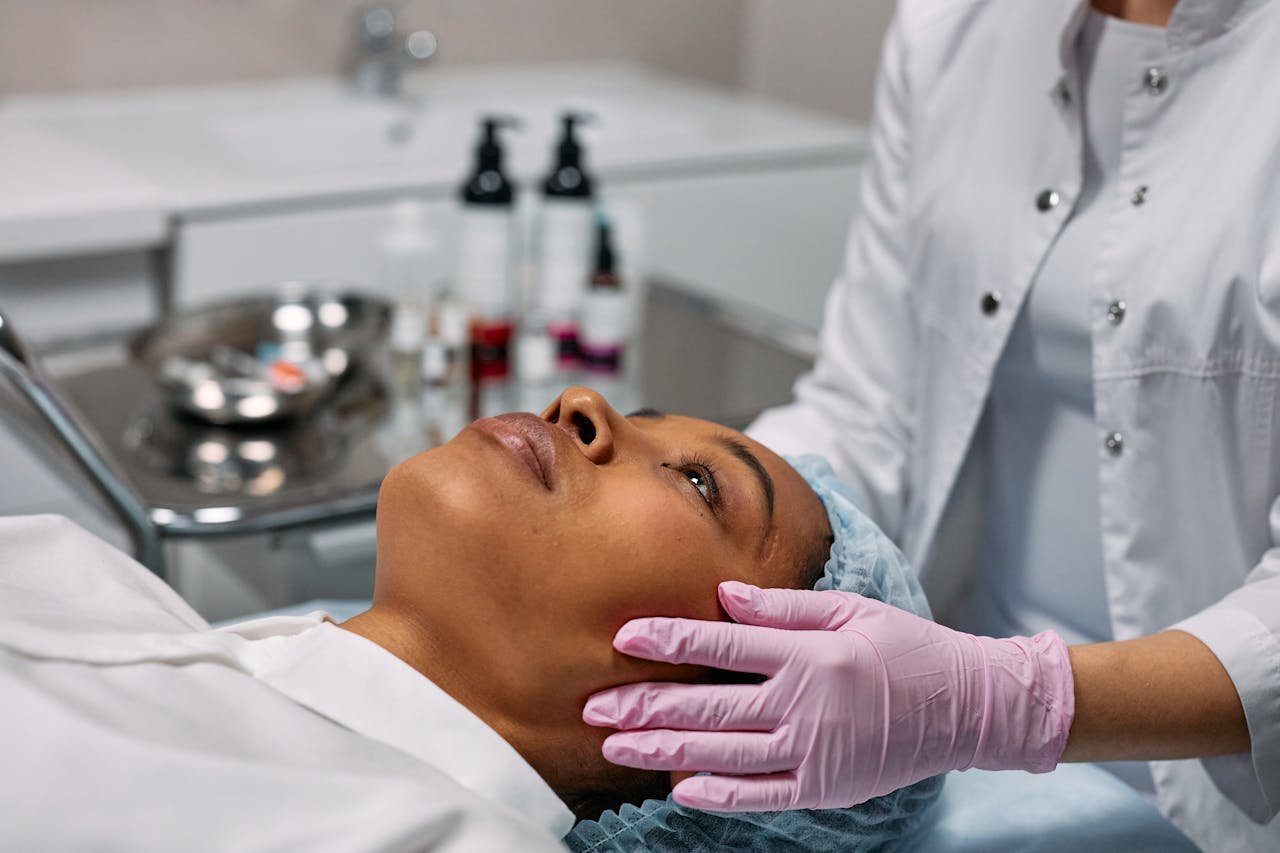
How does your face look after HIFU?
Right after, your skin may look a little red and feel slightly swollen or tender to the touch. In most cases there are no visible marks and you can go back to your day the same afternoon. Some people notice tighter skin from day one, but that early change is partly swelling.
The real change comes later. Between weeks 8 and 12 the new collagen organizes and the contour looks more defined and firm. It is a gradual, natural result: no one should notice you had something done, just that you look rested. Results vary from patient to patient.
In most cases one session is enough. Repeating it too soon doesn’t speed up the process, because collagen needs weeks to form.
Your consultation at iki is free · 45 minutes
A diagnosis and a written, phased plan. You decide afterwards. Related treatment: Collagen biostimulators.How long do facial HIFU results last?
The effect usually holds for 12 to 18 months. Because aging continues, many plans include a maintenance session, often once a year. What affects how long it lasts the most:
- Your age and skin quality at the time of treatment.
- The degree of laxity at the start.
- Daily sun protection. In Bogotá, UV radiation is high all year because of the altitude, and the sun breaks down the collagen the treatment stimulated.
- Smoking and sharp changes in weight.
- Your routine at home, tailored to your skin type.

Which type of HIFU is best?
You will hear about 4D, 7D or 12D HIFU. These are trade names, not a medical classification, and a higher number doesn’t mean a better result. What does make the difference:
- The depths the device offers, and whether they are chosen according to skin thickness in each area.
- Energy and line density: enough to stimulate collagen, without overtreating.
- How the session is designed, by a physician who assesses where there is laxity, where there is fat and where it is better not to work.
Before getting HIFU, ask which depths will be used in each area and why. If no one can explain it, that is a reason to think it over.
HIFU, thread lift or radiofrequency: which to choose
HIFU isn’t the only tool for skin laxity, and sometimes it isn’t the main one. Here is how the options we use at iki compare:
| Option | How it works | Best suited for | Typical sessions |
|---|---|---|---|
| HIFU | Focused ultrasound down to the SMAS layer | Firmness of the jawline, double chin and neck | Usually 1 · yearly maintenance |
| Thread lift | Mechanical support and collagen around the thread | Descended tissue that needs a lifting vector | 1 · repeating is assessed |
| NuEra Tight radiofrequency | Even heat in the skin and superficial fat | Firmness and texture, as a protocol | Usually 4 to 8 |
| Zaffiro | Hydro-exfoliation and infrared heat in the dermis | Mild laxity, texture and fine lines | Usually 1 to 3 |
| Double chin enzymes | Help break down localized fat | Double chin from fat, not laxity | Several · per consultation |
They are often combined: HIFU works on deep firmness and threads on the lifting vector, as we explain in thread lifts: what they are and who they’re for. To see all the options side by side, read our guide to treatments for facial sagging.
What are the risks of HIFU? The risks of non-surgical rejuvenation
Performed by medical staff with the right device, HIFU has a good safety profile. The usual effects are temporary:
- Redness and mild swelling for a few hours or a few days.
- Tenderness or a tingling sensation that can last a few weeks.
- Small bruises that fade within days.
Less often, linear marks or superficial burns, temporary numbness in an area or, on very thin faces, volume loss if the fat is treated can occur. That’s why it matters who designs the session.
It isn’t recommended during pregnancy or breastfeeding, with wounds, infection or inflamed acne in the area, or when laxity is severe. In those cases, or if another option would serve you better, we tell you: sometimes the skin doesn’t need more tightening but more density, and then collagen biostimulators make more sense. At iki, in Usaquén, the plan starts with the diagnosis, not the device. Your consultation at iki is free · 45 minutes.
Frequently asked questions
How many facial HIFU sessions do you need?
In most cases one session is enough, because collagen keeps forming over the next two to three months. A maintenance session is usually planned afterward, often once a year. Back-to-back sessions don’t speed up the result. The physician sets the exact number based on the degree of laxity and how your skin responds.
Does facial HIFU hurt?
You feel heat and small pinpricks with each pulse, more intense over areas close to bone, such as the jawline or forehead. Most people describe it as tolerable discomfort. The physician adjusts energy and depth to the sensitivity of each area, and topical anesthetic can be used if needed.
When do you see HIFU results?
Some people notice tighter skin from day one, but that change is partly swelling. Real firmness builds gradually between weeks 8 and 12, as the new collagen organizes. That’s why the result is assessed at a follow-up visit, not as you leave the session. Results vary from patient to patient.
Is facial HIFU the same as the treatment used for Parkinson’s?
No. The focused ultrasound used in neurology for some tremors is a different device, guided by MRI and with a completely different indication. It shares the physical principle of concentrating ultrasound on one point, but it has nothing to do with aesthetic HIFU, which works only in the skin and the SMAS layer.
What is the difference between 4D, 7D and 12D HIFU?
They are trade names, not a medical classification. What changes the result is the depth of each cartridge, the energy, the number of lines per area and who designs the session. A device with more dimensions in its name doesn’t ensure a better effect. Ask which depths will be used and why.
Who shouldn’t get HIFU?
It isn’t recommended during pregnancy or breastfeeding, with wounds, infection or inflamed acne in the area, or when laxity is severe and there is excess skin, because then the indication is surgical. Implants or recent fillers in the area are reviewed case by case. On very thin faces the technique is adjusted to avoid affecting fat.
This article is for information only and does not replace a medical consultation. Results of any treatment vary from patient to patient. If you have a skin condition, book a consultation to get a diagnosis.