
The so-called collagen myth is the idea that taking collagen or applying it replaces the collagen in your skin. The body digests supplements like any other protein, and independent studies show modest or no benefits; creams don’t deliver it to the dermis. What does have evidence is protecting your skin from the sun, retinoids and treatments that stimulate your own collagen.
The collagen myth isn’t that collagen doesn’t matter. It matters a great deal: it is what gives skin its firmness. The myth is the promise that taking it as a powder or gummies, or rubbing it on as a cream, puts it back in your face. The body digests collagen like any other protein, creams don’t deliver it to the dermis and independent studies show modest or no benefits. What does have evidence is something else, and we cover it at the end.
You have probably seen influencers recommend collagen supplements for skin, hair, nails and joints. Here we separate what the studies say from what the advertising says.
Is hydrolyzed collagen a myth?
Hydrolyzed collagen is collagen of animal origin, almost always from beef or pork skin and bones, or from fish skin and scales, broken into small fragments so it dissolves and is absorbed more easily. It is the most common form in powders, capsules and drinks.
When you take it, your gut breaks it down into amino acids and very short peptides. Those building blocks enter the bloodstream and the body uses them wherever it needs them: muscle, bone, skin or other tissues. There is no direct route from the glass of collagen to your cheeks. Some researchers propose that certain peptides might act as signals that stimulate fibroblasts, the cells that make collagen, and that hypothesis is what the industry rests on.
What do the studies say? There are dozens of trials, many of them funded by manufacturers. Reviews such as one published in 2021 in the International Journal of Dermatology reported slight improvements in hydration and elasticity. But a systematic review with meta-analysis published in 2025 in The American Journal of Medicine found that, when limited to higher-quality studies without industry funding, the benefit on wrinkles, hydration and elasticity was no longer significant.
So it isn’t a complete myth, but it isn’t the solution it’s sold as, either. If there is a benefit, it is small, and it doesn’t replace what actually works.
Is taking collagen really good for you?
For a healthy person, taking collagen at the usual doses is generally well tolerated. The useful question isn’t whether it’s harmful, but whether it’s worth the cost. Our honest answer:
- ✓ It is one more source of protein, useful if your diet is low in it.
- ✓ If you decide to take it, reassess at three months: if you notice no change, it is unlikely to appear with more time or a higher dose.
- ✗ It doesn’t make up for unprotected sun exposure, smoking or poor sleep.
- ✗ It doesn’t replace treatment once there is laxity or deep wrinkles.
What is the best collagen for older adults?
There is no collagen that is best for everyone. With age, what matters most is eating enough protein every day, spread across meals, because the body needs it to maintain muscle, bone and skin. Bone health is supported with calcium, vitamin D and strength training, as your physician advises. Before adding any supplement, review it with your treating physician, especially if you take other medications.
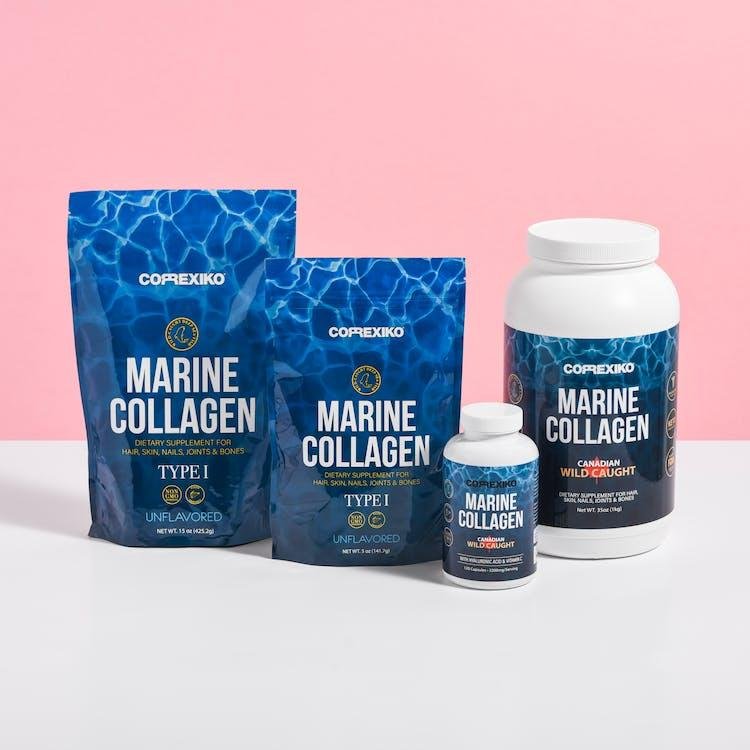
Collagen facts and myths: clearing up the false beliefs
These are the most repeated ideas, checked against what the evidence says:
| What people say | What the evidence says |
|---|---|
| Taking collagen replaces the collagen in your skin | It is digested into amino acids and peptides. The body decides where to use them; they don’t go straight to your face. |
| Marine collagen is best because it resembles human collagen | There is no solid evidence that one source works better than another for the skin. Marine collagen is an alternative for people who don’t eat beef or pork. |
| Hydrolyzed collagen is absorbed better, so it works | It is absorbed better as peptides, but being absorbed isn’t the same as improving the skin. |
| Collagen creams add collagen | The molecule is too large to reach the dermis. They moisturize the surface and nothing more. |
| It’s natural, so it has no risks | It is a supplement: it can cause allergies, contain additives or interact with other products. |
| If I don’t see results, I need a higher dose | More isn’t better. If there was no change in three months, there probably won’t be. |
| Nothing works for collagen | False. Sunscreen, retinoids, collagen biostimulators and some technologies have evidence behind them. |

Just marketing: collagen products and their risks
Supplements don’t go through the same testing as a medication. In the United States, the FDA doesn’t approve them before they go on sale. In Colombia they require a health registration from Invima, but that registration reviews quality and safety; it doesn’t show that the product improves the skin. That’s why the promises on the label aren’t evidence.
Also, many products aren’t just collagen. They usually mix it with other ingredients:
- Biotin, which at high doses can interfere with some lab tests, such as thyroid tests or tests for heart damage. The FDA has issued a warning about it. If you take biotin, tell your physician before a blood test.
- Whey protein, which in some people is associated with acne breakouts.
- Sugars, in gummies and flavored drinks.
What are the contraindications?
- Allergy to fish or shellfish, if the collagen is marine.
- Pregnancy and breastfeeding: check with your physician first.
- Kidney or liver disease: the protein load and additives need to be reviewed.
- Use of other supplements or medications, because of possible interactions.
Can collagen damage any organ?
In healthy people at the usual doses, there is no evidence that it damages the kidneys or liver. For people who already have kidney disease, any extra protein intake is adjusted with their physician. What does damage your body’s collagen is a different list: sun, smoking, excess sugar and chronic stress, as we explain in cortisol vs. collagen.
Your consultation at iki is free · 45 minutes
A diagnosis and a written, phased plan. You decide afterwards. Related treatment: Collagen biostimulators.Oral collagen, topical collagen or biostimulation: what actually reaches the skin
There are three ways to try to improve your skin’s collagen, and they have nothing in common:
| Route | How it works | Evidence | What to expect |
|---|---|---|---|
| Oral supplement | Digested into amino acids and peptides that the body distributes | Modest and debated | Slight changes or none |
| Collagen cream | Forms a moisturizing film on the surface | Doesn’t replace collagen | Skin that feels softer |
| Stimulating actives: retinoids and vitamin C | Activate production and protect existing collagen | Good, especially retinoids | Better texture and fine lines over months |
| Injectable collagen biostimulators | Prompt the skin to make its own collagen | Good, with a medical indication | Gradually more firmness and density |
| Technologies: HIFU, radiofrequency microneedling | Controlled heat or micro-injury that activates repair | Good for mild to moderate laxity and texture | Gradual changes over weeks or months |
The difference is fundamental: supplements and creams try to add collagen from the outside; retinoids, biostimulators and technologies get your skin to make it.
What is the best way to get collagen naturally?

Your body makes its own collagen from what you eat. To do that, it needs:
- Enough protein: meat, fish, eggs, dairy or legumes. Bone broth and gelatin provide collagen, but it is digested just like collagen from a supplement.
- Vitamin C, essential for assembling collagen fibers: guava, kiwi, citrus, bell peppers, strawberries. We cover it in the benefits of vitamin C.
- Zinc and copper, found in seeds, nuts and shellfish.
A varied diet covers these needs for most people. For practical ideas, see drinks that nourish the skin.
Besides a good diet, what else can you do to keep your skin and joints healthy?

- Sunscreen every day. UV radiation is the main external cause of collagen breakdown. In Bogotá it is high all year because of the altitude, even on cloudy days. We help you choose a sunscreen for your face.
- Don’t smoke. Smoking reduces circulation to the skin and speeds up collagen loss.
- Go easy on sugar and alcohol. Excess sugar stiffens collagen fibers.
- Sleep well and manage stress. Persistently high cortisol slows collagen production.
- Exercise, including strength training. It is what protects joints and bones most, far more than any supplement.
Collagen starts to decline from age 25 or 30, and caring for it early pays off more than trying to replace it later. We explain it in collagen loss after 30.
What actually works for skin collagen
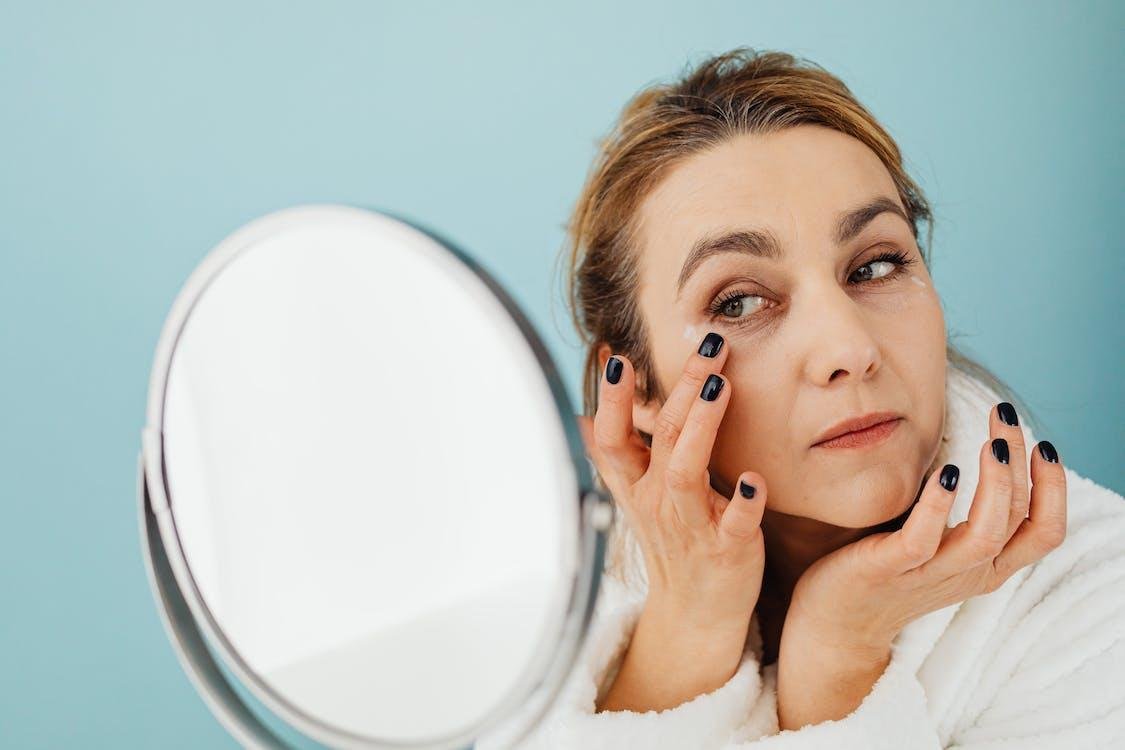
If the goal is firmer skin, this is what has support, from the simplest to the most specific:
- Protect it: daily sunscreen and no smoking. It is the cheapest step and has the biggest long-term impact.
- Stimulate it at home: topical retinoids, prescribed by a physician, and vitamin C. We explain how to use them in the benefits of retinol.
- Stimulate it in the clinic: collagen biostimulators such as Sculptra, Radiesse or HArmonyCa get the skin to make its own collagen and gradually improve firmness and density. We explain how one of them works in Radiesse, the collagen biostimulator.
- Combine when there are several concerns: the collagen bomb isn’t a collagen injection, but a protocol that combines technologies and injectables based on the diagnosis.
None of these treatments is for everyone, and none of them stops aging. They improve skin quality with gradual changes. Results vary from patient to patient.
Not everything recommended on social media is what your skin needs. At iki, in Usaquén, Dr. Urbani, a physician specialized in skin, and her team review your skin, tell you what makes sense for your case and what doesn’t, and put together a step-by-step plan with realistic timelines. Your consultation at iki is free · 45 minutes.
Frequently asked questions
Do collagen supplements work for the skin?
The evidence is modest and debated. Some trials, many funded by manufacturers, report slight improvements in hydration and elasticity; when only independent, higher-quality studies are analyzed, the benefit is no longer clear. They don’t replace lost collagen. If you decide to take it, do so with realistic expectations and without neglecting sunscreen.
Is hydrolyzed collagen better than other types of collagen?
Hydrolyzed collagen is broken into small fragments, so it is absorbed better as peptides and amino acids. But being absorbed isn’t the same as reaching the skin and becoming collagen: the body decides where it uses those building blocks. Quality also varies widely between brands, and many products mix it with other ingredients.
What is the best collagen for older adults?
No single one is best for everyone. In older adulthood, what matters most is eating enough protein every day, because the body uses it to maintain muscle, bone and skin. Bone health is supported with calcium, vitamin D and exercise as your physician advises. Any supplement should be reviewed first with your treating physician.
Do collagen creams work?
They moisturize, but they don’t replace collagen. The collagen molecule is too large to pass through the outer layer of the skin and reach the dermis, where it is needed. On the surface it forms a film that holds in water, which makes skin feel softer. To stimulate collagen, retinoids and vitamin C work better.
Who shouldn’t take collagen supplements?
Women who are pregnant or breastfeeding, people with kidney or liver disease and, in the case of marine collagen, anyone allergic to fish or shellfish should check with a physician first. Blends with biotin are also worth reviewing, because biotin can interfere with some lab tests. The prudent approach is to take it under medical or nutritional supervision.
What actually stimulates collagen in the skin?
What has the most evidence is preventing its breakdown, with daily sunscreen and no smoking, and stimulating its production with topical retinoids prescribed by a physician. In the clinic, injectable collagen biostimulators and technologies such as HIFU or radiofrequency microneedling induce new collagen. Results vary from patient to patient.
This article is for information only and does not replace a medical consultation. Results of any treatment vary from patient to patient. If you have a skin condition, book a consultation to get a diagnosis.