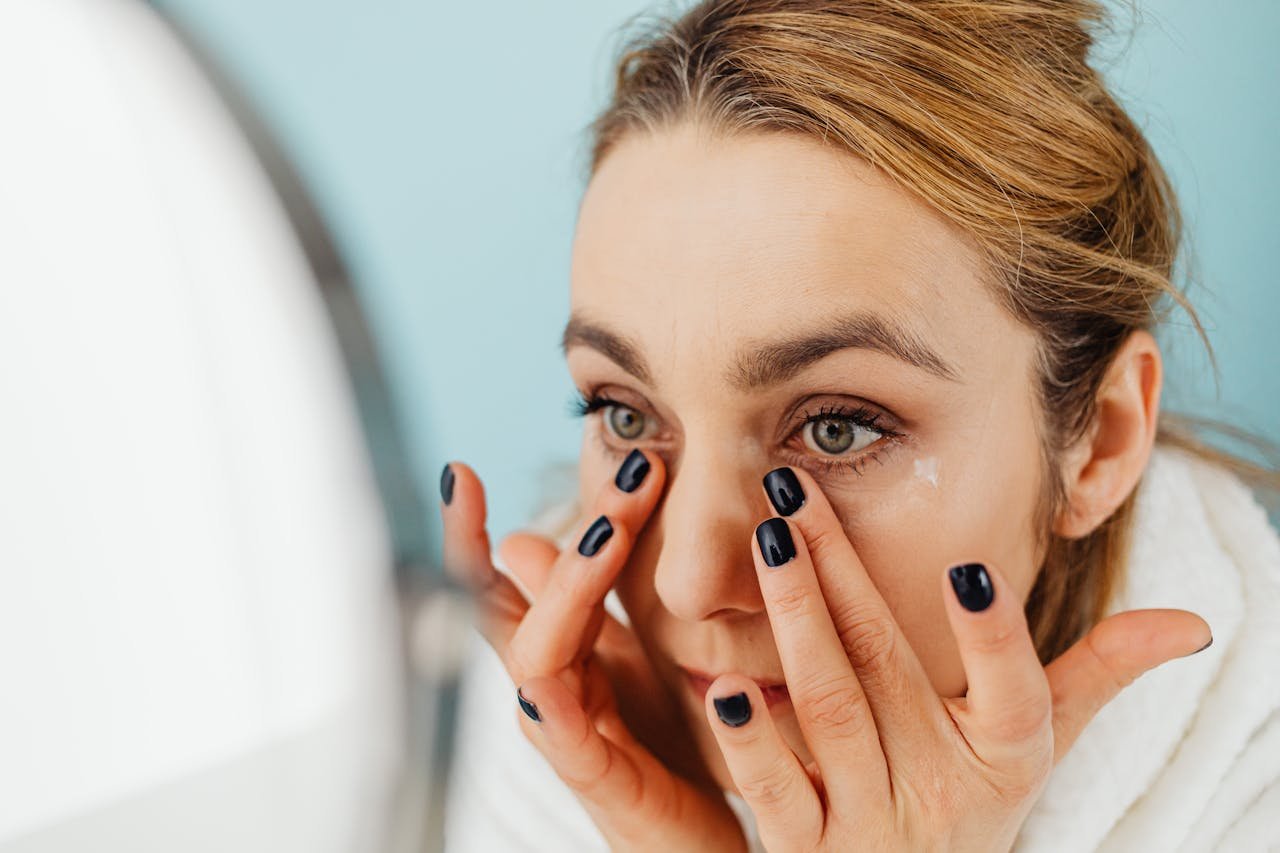
The treatment for facial sagging depends on the area. For the eyelids and under-eyes, dermal fillers are used; for the double chin, fat-reducing enzymes and radiofrequency; for the cheeks and nasolabial folds, absorbable thread lifts. Fillers such as Radiesse or HArmonyCa add volume and stimulate collagen. At home, antioxidants, peptides, retinol and sunscreen help prevent sagging, but don’t correct it once established.
We all notice sagging in the face. As the years go by, skin starts to lose volume and shape, which causes some parts of the face to drop and form folds. It doesn’t happen overnight, but one day you may catch your reflection and find that your face looks droopier, with a sad or angry expression.
In women, sagging usually becomes visible from age 40 and progresses gradually. The good news is that you can treat facial sagging with minimally invasive aesthetic medicine treatments. First, though, you need to understand why it is happening in certain parts of your face.
Why does skin start to sag?
Facial sagging happens naturally over time. As we age, we lose the components that keep skin elastic and well defined, specifically collagen and elastin. That leaves empty space beneath the layers of the skin, which can make the face drop in areas where it used to be firm.

The loss of firmness in the face is what we call facial sagging, because the skin loses its ability to stretch and contract. It can happen anywhere on the body, although the most affected areas are these:
- Eyelids
- Cheeks
- Double chin
- Chin
Of all these areas of the face, addressing sagging in the cheeks and eyelids matters most, because it makes us look older. However, sagging facial skin doesn’t come only with age. Other factors such as stress, wear on the facial ligaments or frequent exposure to UV rays can also cause a sagging facial contour.
Treatments to firm the face
It may seem obvious by now, but skincare is the first step to prevent facial sagging. Using skincare products (creams, gels and ampoules) that include collagen, elastin and hyaluronic acid can help hydrate your skin and delay signs of aging.
But what happens when your facial contour is already sagging? If you feel that home remedies aren’t working on sagging skin, your next step could be talking to a physician about facial rejuvenation treatments.
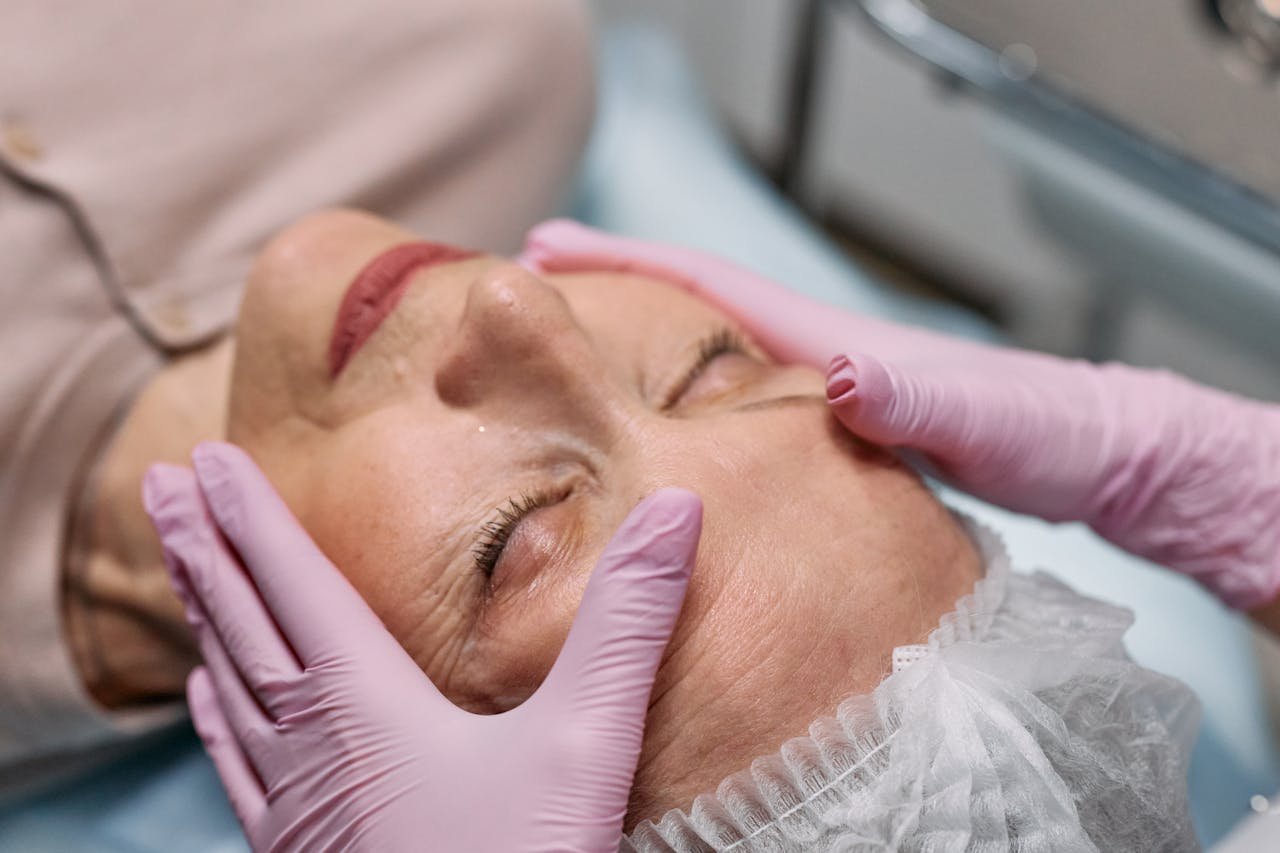
When your eyelids are sagging…
The skin around the eyes is the thinnest and most fragile on the whole face, which makes it more prone to showing signs of sagging. To delay wrinkles on the eyelids and reduce their appearance, dermal fillers are the most advisable option.
At iki we use Radiesse fillers to treat facial sagging, with a change visible from the treatment that improves gradually. It involves micro-injections of a calcium hydroxylapatite gel, which not only fills and smooths the skin but also stimulates collagen production.
Another newer injectable treatment is HArmonyCa, which combines hyaluronic acid and calcium hydroxylapatite to support sagging skin. These dermal fillers restore volume in areas that have hollowed out, with a natural result when applied with good judgment.
Because one of the main causes of facial sagging is volume loss from the disappearance of hyaluronic acid, injecting this substance in small doses can be an option to improve the problem before considering eyelid surgery.
For sagging under the chin…
There are many ways to firm and tighten a double chin; one we use is the protocol with fat-reducing enzymes. This treatment uses several substances to break down accumulated fat and, unlike liposuction, it is minimally invasive.
Your consultation at iki is free · 45 minutes
A diagnosis and a written, phased plan. You decide afterwards. Related treatment: HIFU for skin laxity.By reducing accumulated fat, the jawline can look more defined. The result gradually improves a sagging facial contour, and it varies from patient to patient.
There are also aesthetic treatments that reach the deeper layers of the skin to correct facial sagging, such as radiofrequency devices. For this treatment, the physician places a device against the skin that heats the tissue. The heat stimulates collagen production, which gradually translates into greater firmness.
If you want to treat sagging with technology, at IKI Skin Experts we have the Neauvia Zaffiro. This device helps soften fine lines and folds while promoting a gradual tightening effect on the face.
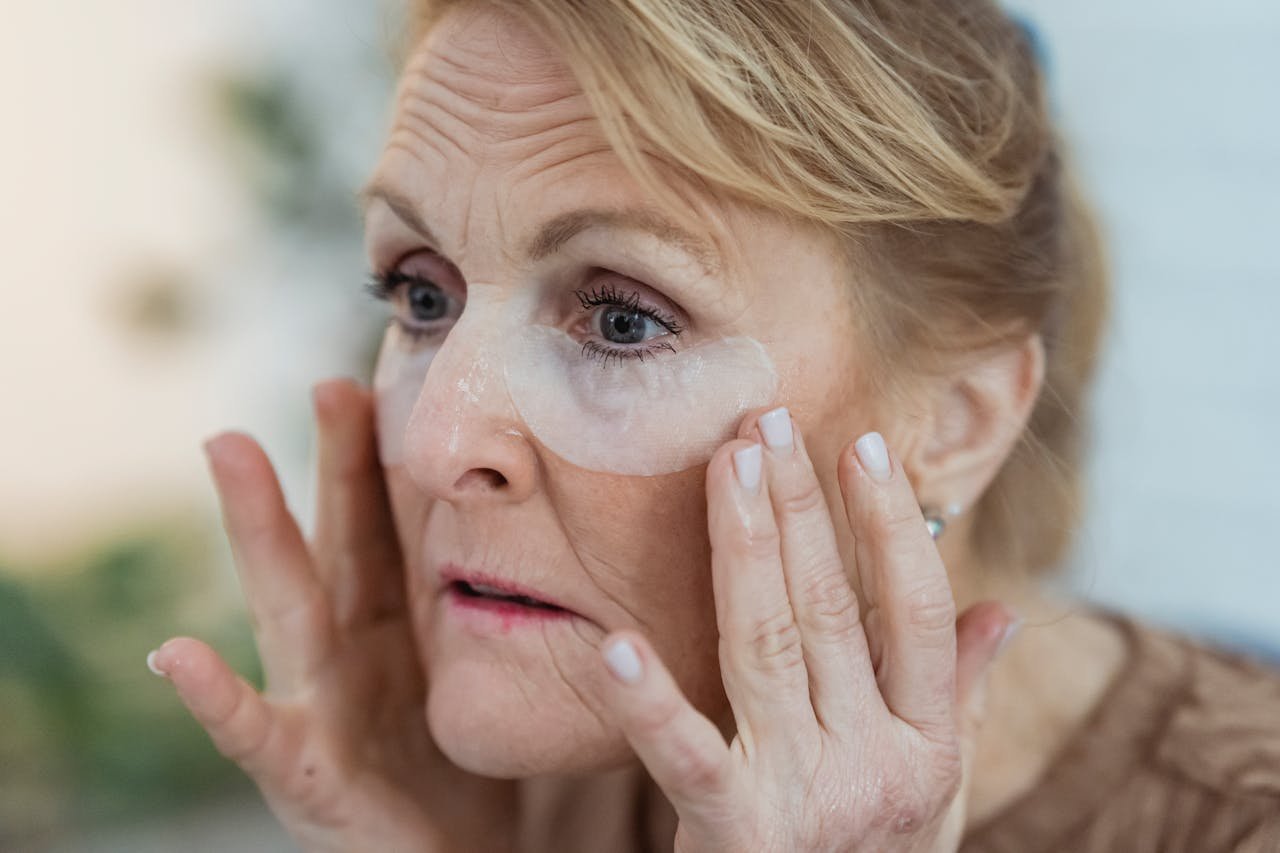
If your cheeks are sagging or you have nasolabial folds…
For sagging skin on the cheeks, physicians use facial lifting techniques. This means they “pull back” the face so the cheekbones look more defined.
One of the most widely used treatments for sagging cheeks is the thread lift. The threads are made of a very thin, absorbable material that, once placed in the face, tightens the skin from within and helps form new collagen. It is a minimally invasive treatment that usually gives good results if you already have nasolabial folds. Results vary from patient to patient.
A good moisturizer at home also helps. In many people, sagging shows more when the skin isn’t sufficiently hydrated, which makes fine lines and wrinkles more visible. Adding a moisturizer to your skincare routine can be beneficial, as long as you apply it every day.
Tips to reduce facial sagging
If you search TikTok or Instagram for home remedies for sagging skin, you will probably notice that many focus on prevention rather than reversing a drooping face. The reason is that it is hard to firm the face at home; in-clinic procedures are more likely to improve firmness.
That said, there are two anti-aging products that can improve the look of a sagging face:
- Antioxidants rich in vitamins C, B and E. They strengthen the skin against oxidative stress and help prevent wrinkles.
- Cell regulators. These are creams with peptides, retinols or growth factor ingredients, which help stimulate collagen production in the face.
These skincare products don’t correct facial sagging, but they can help soften the look of folds around the eyes or cheeks. So the general recommendation is to follow a facial routine with antioxidants and cell regulators.

You can also build other habits into your lifestyle to improve how your face looks. Collagen supplements, in particular, have been studied for their possible effect on signs of skin aging such as fine lines or facial sagging. Wearing sunscreen every day also helps keep your skin from sagging due to overexposure to the sun’s ultraviolet (UV) rays.
The key to keeping a firm face is prevention and knowing what type of sagging you have. We invite you to a free medical consultation at IKI Skin Experts: our physicians look at where the sagging is and tell you which treatment makes sense and which doesn’t. Results vary from patient to patient. Your consultation at iki is free · 45 minutes.
Frequently asked questions
Why does facial skin start to sag?
Over time, skin loses collagen and elastin, the components that keep it elastic and defined, and the face drops in some areas. Other factors such as stress, wear on the facial ligaments and frequent exposure to UV rays also contribute to a sagging facial contour.
Where on the face does sagging show most?
The most affected areas are the eyelids, cheeks, double chin and chin. Sagging in the cheeks and eyelids is what tends to make us look older. That’s why the treatment is chosen by area: an eyelid isn’t treated the same way as a double chin or a nasolabial fold.
Which treatment works for sagging cheeks?
One of the most widely used is the thread lift. The threads are made of a very thin, absorbable material that, once placed in the face, tightens the skin from within and helps form new collagen. It is minimally invasive and usually gives good results on nasolabial folds, although results vary from patient to patient.
Can creams get rid of facial sagging?
They don’t correct it, but they help prevent it and soften the look of folds. Antioxidants with vitamins C, B and E protect the skin from oxidative stress, and cell regulators with peptides, retinols or growth factors stimulate collagen. For established sagging, in-clinic procedures are more likely to improve firmness.
How does radiofrequency work for sagging skin?
The physician places a device against the skin that heats the tissue in deep layers. That heat stimulates collagen production, which gradually translates into more firmness. At iki we use the Neauvia Zaffiro, which helps soften fine lines and folds with a tightening effect on the face.
This article is for information only and does not replace a medical consultation. Results of any treatment vary from patient to patient. If you have a skin condition, book a consultation to get a diagnosis.