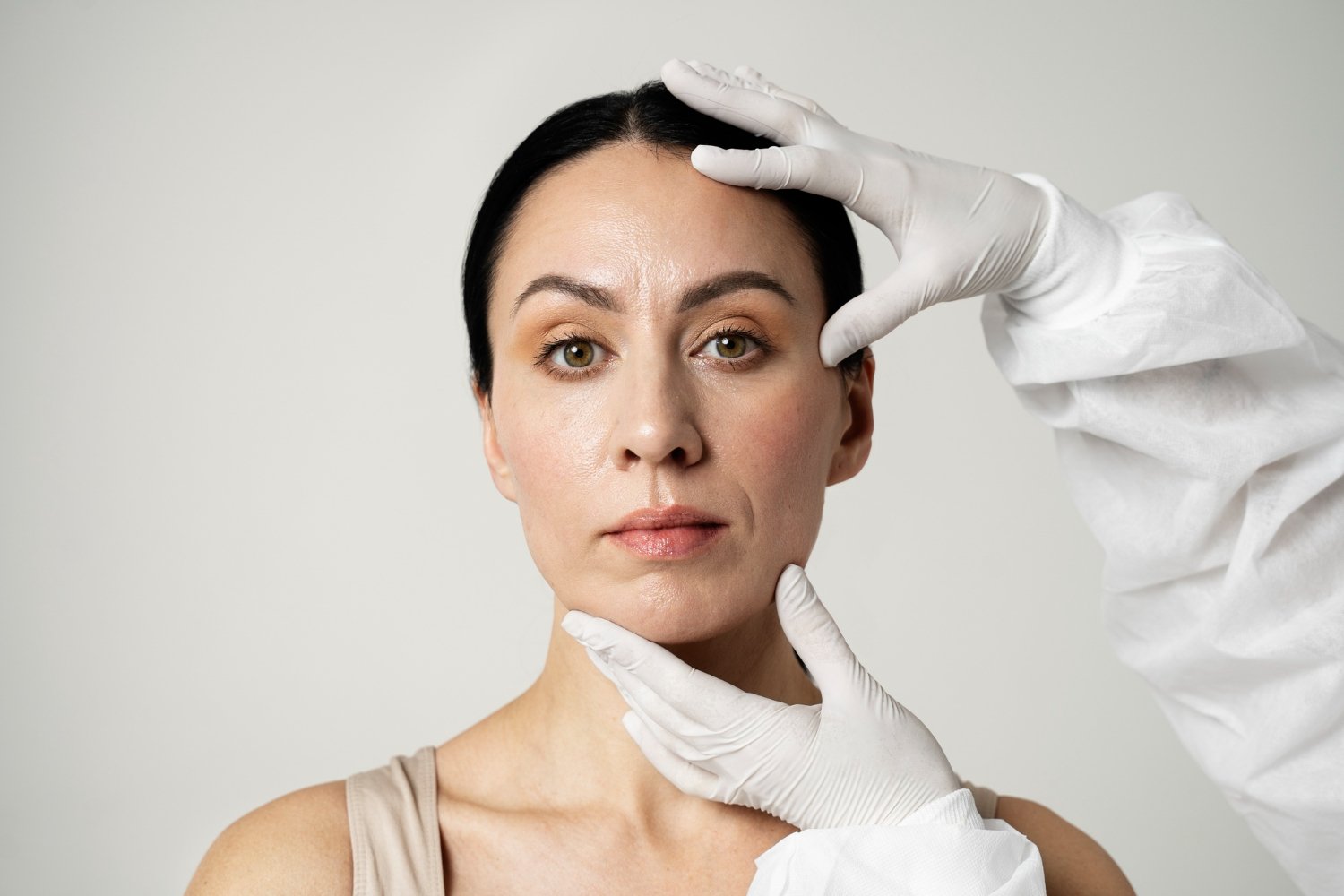
There's no single best treatment to start with in aesthetic medicine: it depends on your age and what you want to treat. Around 30, minimally invasive preventive treatments such as a chemical peel or mesotherapy are usually recommended. Between 30 and 40, botulinum toxin, hyaluronic acid fillers and light and laser technologies are added, always after a medical consultation.
When we reach 30, we can't help thinking that we'll soon start seeing an aesthetician about the wrinkles on our face. Although at this age we still seem very young for an aesthetic medicine treatment, it's important to prepare for what's ahead.
Most of the treatments you've seen may seem excessive for young skin. It's also normal to have questions such as: What's the best aesthetic treatment right now? Which part of my body should I treat first, and what results can I expect? But don't worry. If you have questions and don't know who to ask, read on.
Today we'll cover less invasive treatments to take your first steps into aesthetic medicine.
Preventive treatments: the first step in aesthetic medicine
Remember that from age 25, skin starts losing collagen, hyaluronic acid and elastin. Some experts suggest that we lose 1% of our collagen every year, while others say we lose more and more as we age. What matters is that without these components that keep skin firm and radiant, wrinkles and the first signs of aging are inevitable.
At this age, it's advisable to start preventive facial treatments to make up for the loss of collagen. As the name suggests, these are procedures designed to prevent the first signs of aging in young people, and they don't require surgery or local anesthesia.
If you combine these procedures with good nutrition, regular hydration, exercise and sun protection, you'll notice gradual changes in your skin. That's also why they're considered the most natural treatments in aesthetic medicine.
Chemical peels: clearing wrinkles and dark spots
If you're still dealing with hormonal acne at 30, a chemical peel can be a good option. Chemical exfoliation improves the texture and appearance of young skin, which leads to a more radiant look.
There are three types of chemical peels (superficial, medium and deep) that use active ingredients such as glycolic or salicylic acid to remove dead skin cells. Superficial peels only work on the surface of the skin, while medium and deep peels penetrate further layers but require a longer healing process.
To choose which type of facial peel you need, keep in mind that superficial peels only correct mild wrinkles and mild acne scars. If you want to treat deep wrinkles and sun spots, medium and deep chemical peels are the most recommended.
Other benefits of this treatment include:
- It supports renewal of the skin's layers.
- It lightens dark spots and acne scars.
- It smooths the face and adds radiance.
The results of this aesthetic medicine treatment usually show gradually over several sessions, and how long they last depends on the type of peel and the aftercare. Results vary from patient to patient.
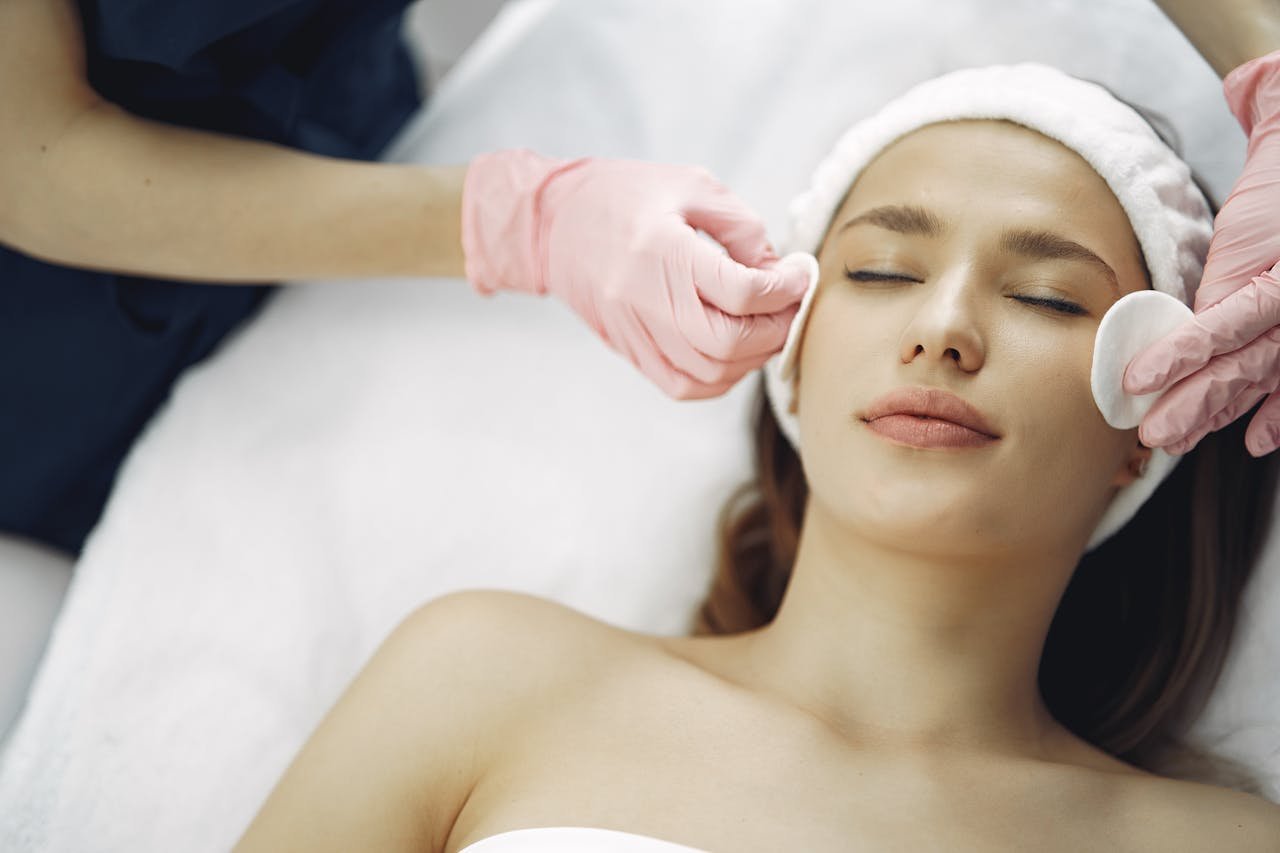
Mesotherapy: deep hydration beyond beauty products
If your problem is dry, dull skin, then NCTF mesotherapy is the aesthetic treatment for you. NCTF is an injectable product that contains hyaluronic acid along with a cocktail of 54 anti-wrinkle active ingredients, such as vitamins, peptides, antioxidants and enzymes.
Mesotherapy complements your hydration routine from your 30s on, because it delivers actives directly into the skin. The changes are gradual, and 4 to 6 sessions are usually advised to treat dry skin.
Other benefits of this aesthetic medicine treatment include:
- It hydrates the deepest layers of the skin.
- It can improve firmness, helping with mild facial skin laxity.
- It keeps skin soft, smooth and radiant throughout the day.
- It brightens skin that's pigmented or blotchy.
- It reduces the appearance of fine lines and wrinkles.
- It can support the management of problems such as rosacea or acne, as medically indicated.
Anti-aging treatments: the next step in aesthetic medicine
Past 30 and heading into your 40s, signs of aging start to spread across the face and neck. Sun spots, skin laxity, open pores and rough skin appear, along with expression lines around the eyes and between the brows.
There's a wide range of anti-aging treatments to rejuvenate the face, from microdermabrasion to lasers. However, at this age the recommendation is to combine non-invasive techniques to stimulate collagen and elastin production.
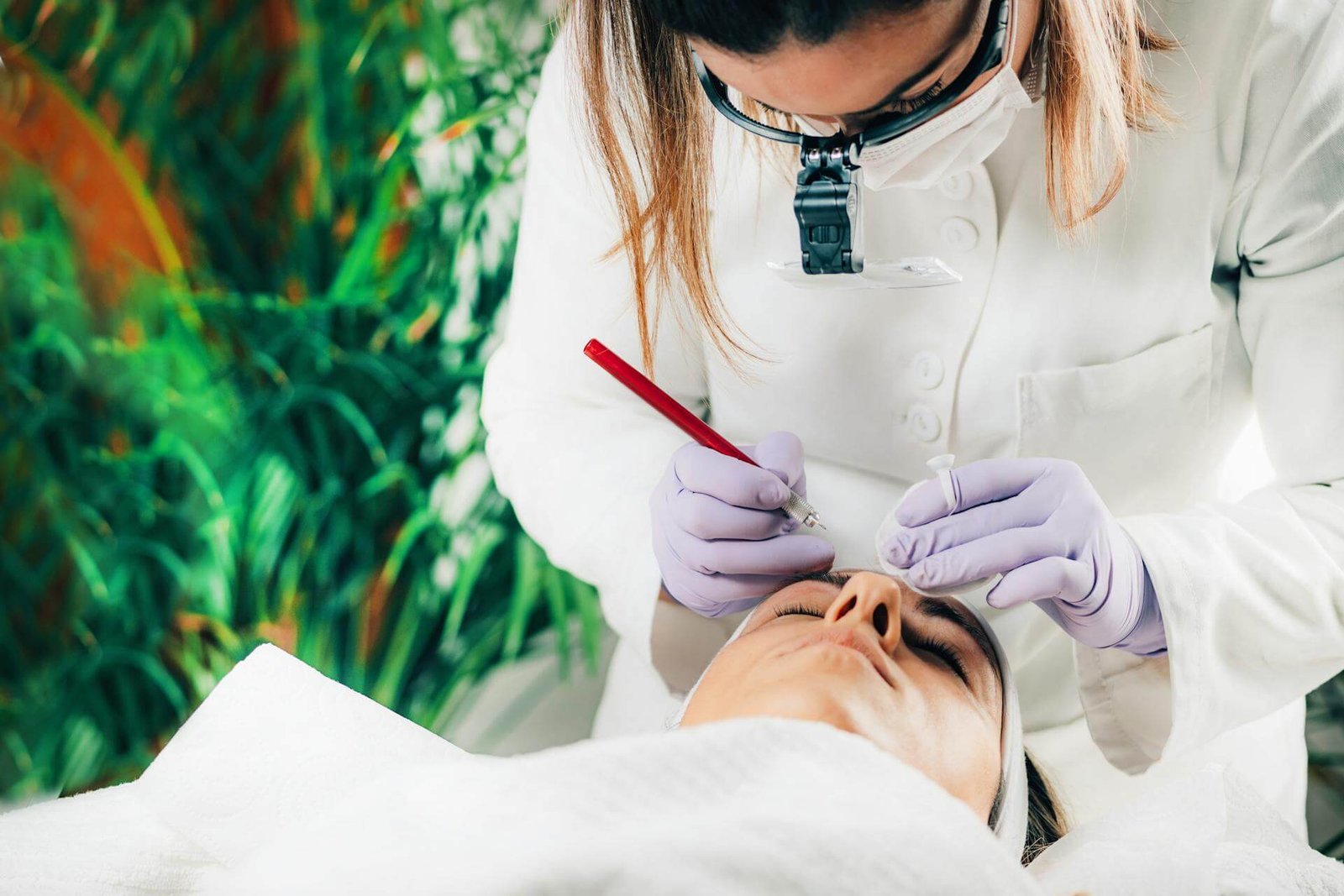
Baby Botox: a lift without surgery
There's a mistaken idea that Botox is only for older people and also creates an "unnatural" look. That isn't true. Botulinum toxin injections are one of the most widely used aesthetic medicine treatments for preventing wrinkles, especially expression lines.
Your consultation at iki is free · 45 minutes
A diagnosis and a written, phased plan. You decide afterwards. Related treatment: Botox.Specifically, baby Botox is a technique designed to relax the facial muscles of young people between 25 and 35. Much smaller doses of neurotoxin are injected than in other aesthetic medicine treatments, and the effects are expected after about a week.
By limiting the movement of the brows and mouth for controlled periods every 4 months, you can help keep these lines from setting in over time. The effect of botulinum toxin is temporary, and how long it lasts varies from patient to patient.
Other benefits of this aesthetic treatment include:
- A natural, relaxed look instead of a frozen expression.
- It helps prevent premature wrinkles.
- It improves texture and skin radiance.
- It softens dynamic expression lines.
Hyaluronic acid fillers: volume in one appointment
If you're looking to change your appearance and restore the shape of your face, fillers may be for you. At 30, cheek and chin fillers are frequently done to support the face and soften some expression lines.
Hyaluronic acid fillers can also restore part of the lost volume, with a visible change from the appointment itself that settles over the following weeks. That's why it's an aesthetic medicine treatment used by young people who want more definition in their lips and profile.
A dermal filler done by professionals can last six to twelve months, depending on the type of formulation injected. The most common reabsorbable substance is hyaluronic acid (HA), as we mentioned, a moisturizing molecule also found in our body and well suited to adding volume to tissue. However, there are also fillers made of poly-L-lactic acid, autologous fat taken from another area of the body, calcium hydroxylapatite and polycaprolactone.
The benefits of this treatment include:
- It improves the appearance of facial lines.
- It adds volume in areas that can become hollow or lax.
- It smooths and adds radiance.
- It improves skin elasticity.
Light, laser and radiofrequency: the latest anti-wrinkle technology
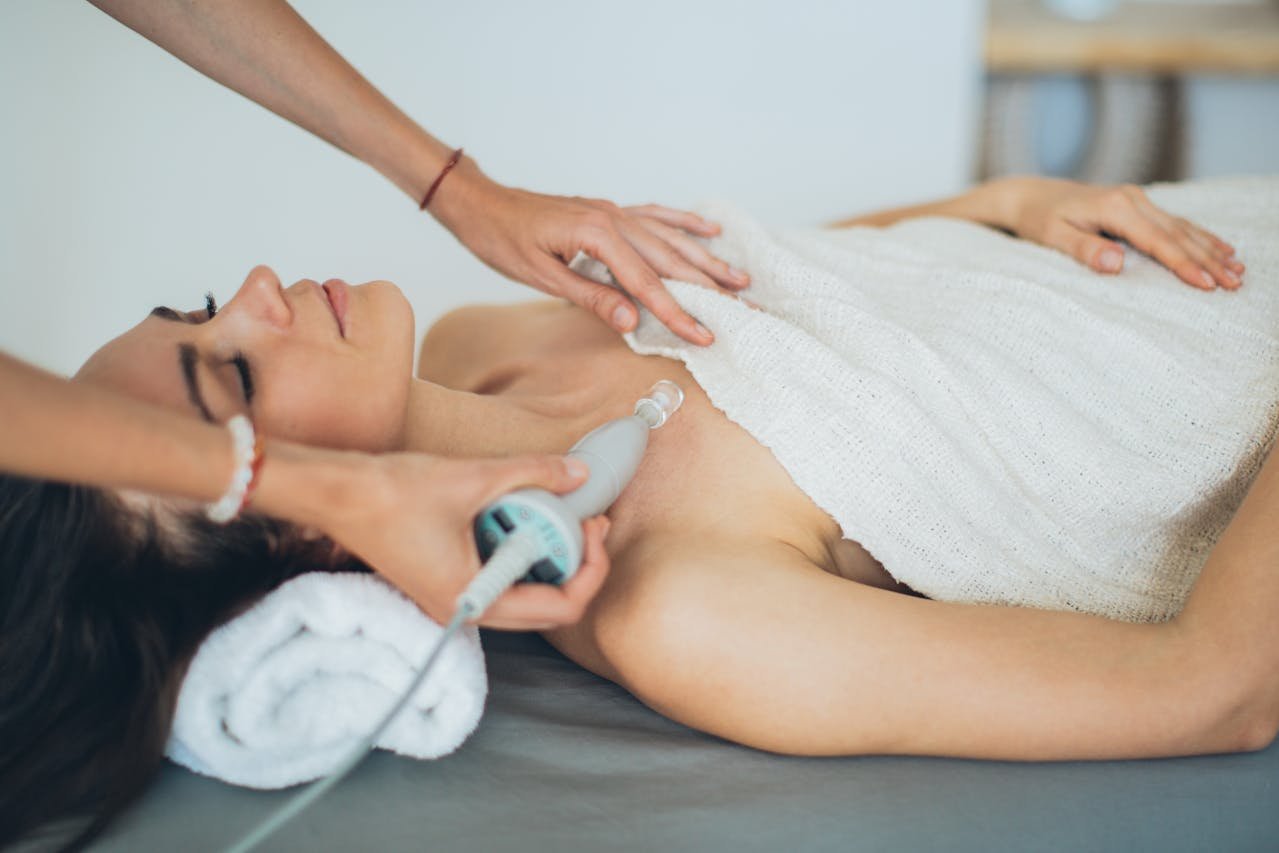
Although they're less common than other aesthetic medicine treatments, IPL (intense pulsed light) and light-emitting diode (LED) therapy also help treat dark spots and wrinkles over time.
LED therapy uses different wavelengths of light to promote skin cell regeneration and collagen production. Unlike chemical peels, which can irritate the skin, light-emitting diode therapy is usually well tolerated by sensitive skin.
IPL therapy, for its part, lets us correct both pigmented lesions and scars related to aging, delivering a higher level of energy to the deeper layers of the skin.
Another recommended treatment in non-invasive aesthetic medicine is the Q-Switched laser, known for treating dark spots without affecting the look of the skin. This laser emits heat waves that penetrate deep into the skin and help stimulate the structures that produce collagen, which can translate into an improvement in fine lines and sun spots.
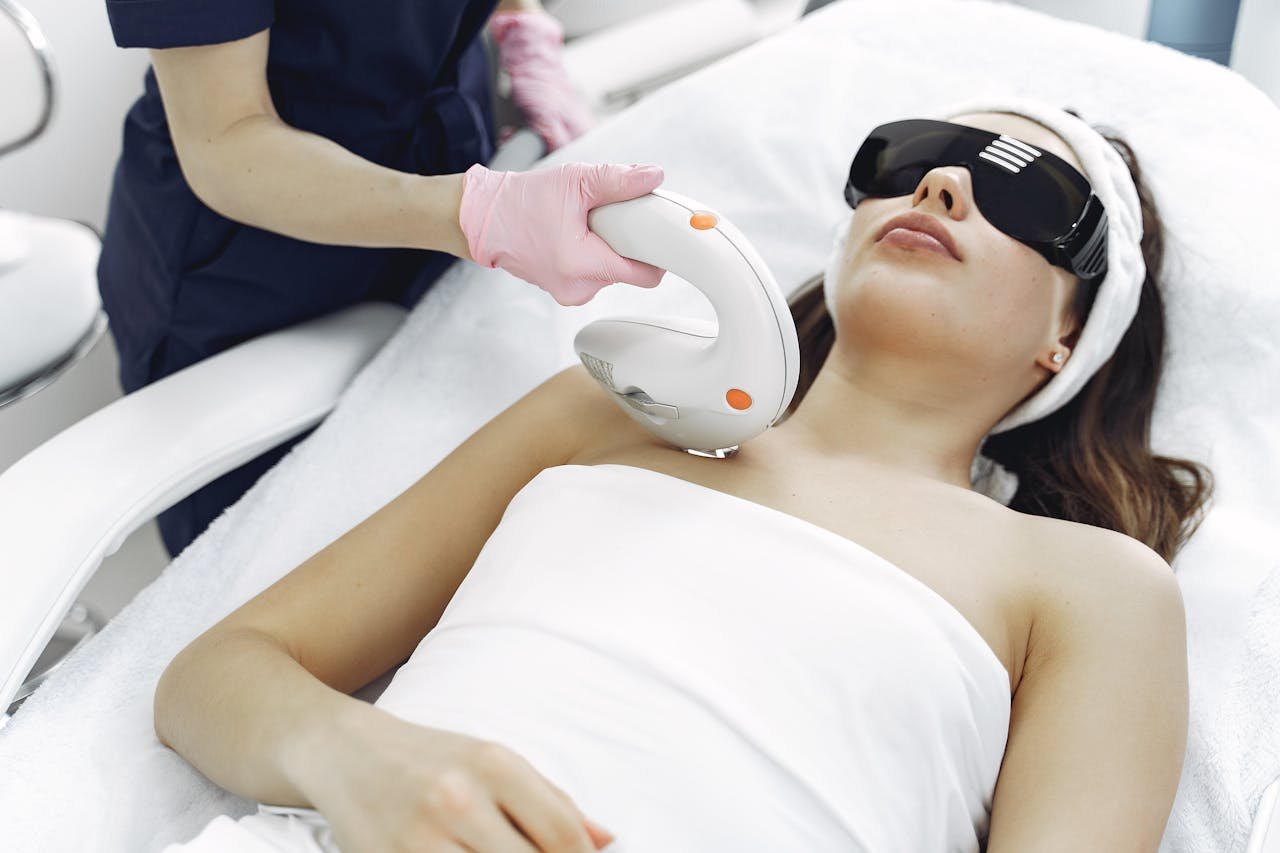
The benefits of using lasers instead of other aesthetic medicine treatments are:
- The procedures are usually tolerable, with mild discomfort.
- There are devices for most skin types, depending on the medical indication.
- They reduce wrinkles and expression lines.
- They give a gradual tightening effect on the face and neck.
- They increase collagen and elastin production.
All light and laser treatments can target specific areas of the face, such as wrinkles around the eyes or dark spots on the cheeks. Changes usually show gradually over several sessions, and how long they last varies from patient to patient.
At IKI Skin Experts you'll find your first aesthetic medicine treatment
Whether you're 20 or 30, it's important to find an aesthetic medicine clinic to discuss the treatment you want, its effects and its possible risks. At IKI Skin Experts we answer your questions and tell you which treatment makes sense for your skin and which doesn't.
Come in for a free medical consultation so we can understand your needs, because no aesthetic medicine treatment is more effective than every other. If deep lines concern you, neurotoxin injections and injectables usually bring faster changes to your skin. On the other hand, chemical peels or laser treatments may be ideal if you're looking to treat skin conditions such as hyperpigmentation.
Every skin has its moment and its plan; results vary from patient to patient. Your consultation at iki is free · 45 minutes.
Frequently asked questions
At what age is it advisable to start aesthetic medicine?
From age 25, skin starts losing collagen, hyaluronic acid and elastin, so around 30 it's usually advisable to start with minimally invasive preventive treatments. Combined with good nutrition, hydration, exercise and sun protection, they help delay the first signs of aging. The recommendation should always come from a physician after assessing your skin.
Which preventive treatments are recommended at 30?
This article covers two: the chemical peel, which improves texture, lightens dark spots and acne scars and supports skin renewal; and NCTF mesotherapy, which delivers hyaluronic acid and actives to hydrate the deeper layers of dry or dull skin. Both take several sessions, and the changes are gradual.
Does baby Botox leave a frozen expression?
No, when it's applied with good judgment. Baby Botox uses much smaller doses of botulinum toxin than other treatments and is designed for people between 25 and 35. It relaxes the muscles that form expression lines and aims for a natural, relaxed look. Its effects show after about a week and are temporary.
What are hyaluronic acid fillers for?
They restore volume in areas that become hollow or lax, support the cheeks and chin, define the lips and profile and soften some lines. Hyaluronic acid is reabsorbable and, depending on the formulation, a filler usually lasts six to twelve months. There are also fillers made of poly-L-lactic acid, calcium hydroxylapatite or polycaprolactone.
Which treatment should I choose to start?
It depends on what concerns you. For pronounced expression lines, botulinum toxin and injectables usually bring faster changes. For hyperpigmentation or dark spots, chemical peels or laser may be more suitable. That's why the first step is a medical consultation that reviews your skin, your expectations and the possible risks of each option.
This article is for information only and does not replace a medical consultation. Results of any treatment vary from patient to patient. If you have a skin condition, book a consultation to get a diagnosis.