
Dark circles can be improved, but they rarely disappear completely, and the treatment depends on the type. Hollow dark circles respond to hyaluronic acid in the tear trough; pigmented ones, to depigmenting products and sunscreen; vascular or thin-skin dark circles, to treatments that improve skin quality, such as NCTF mesotherapy. Under-eye fat pads usually require surgery. Results vary from patient to patient.
Can dark circles be removed? They can be improved, sometimes a lot, but the honest answer depends on the type of dark circle. A filler transforms a hollow dark circle and does nothing for a pigmented one; a depigmenting treatment helps with color and doesn't touch a groove. That's why so many people feel that "nothing works for them."
In this guide we compare the options, from creams to surgery, by type of dark circle, with what each one can and can't do.
Why do we get dark circles? The type decides the treatment

Tiredness makes dark circles more noticeable, but it's rarely the only cause. Dark circles come from excess pigment, from blood vessels showing through very thin skin or from a hollowing of the groove under the eye. Genetics, sun, rubbing your eyes, allergies and age matter more than one bad night.
If you don't know yet which type you have, start with dark circles: why they appear and how to tell which type you have, where we explain the causes and a few simple tests you can do in the mirror.
How to tell each type of dark circle apart, and which treatment fits
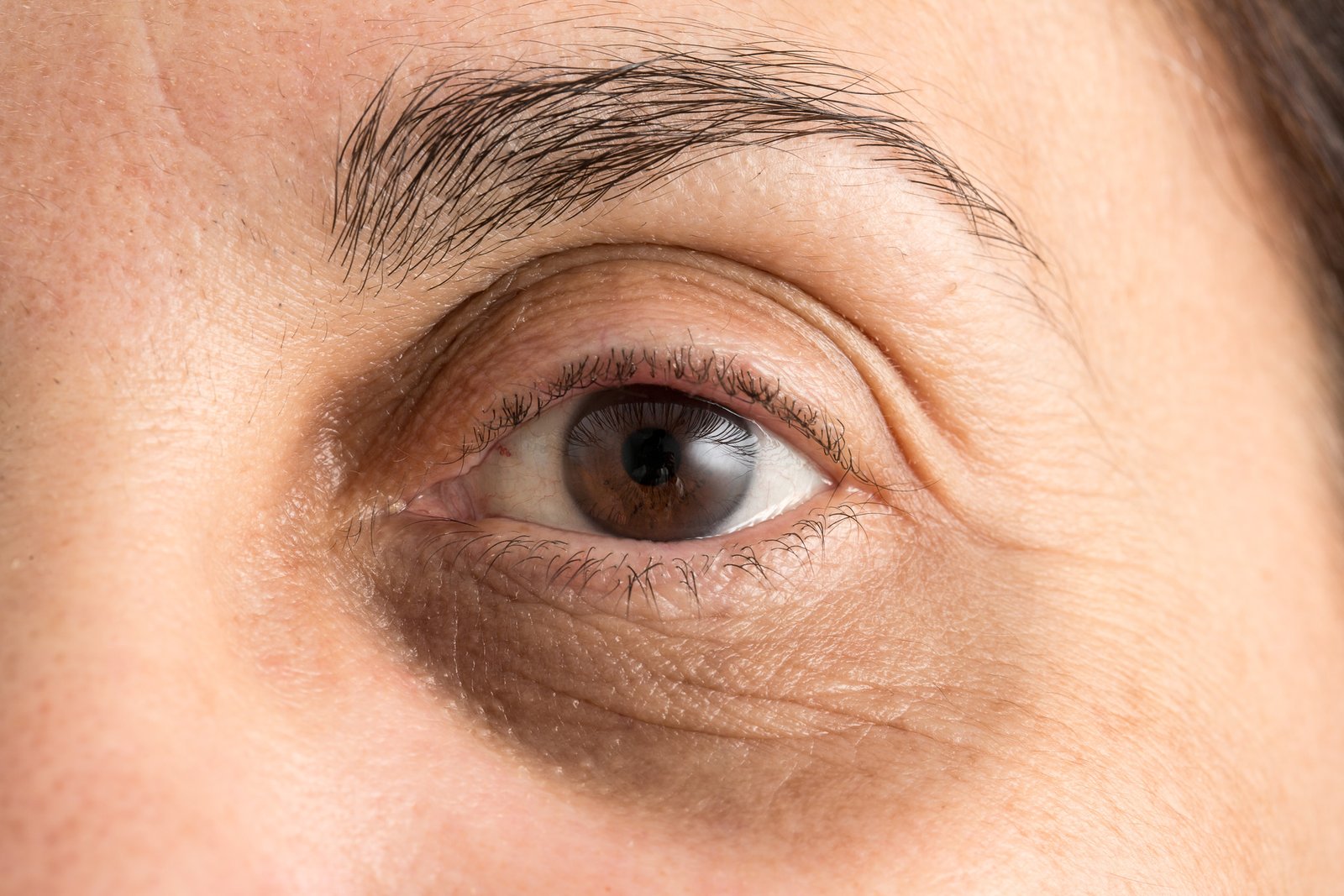
- Pigmented: a brown tone caused by excess melanin.
- Vascular: a bluish or purplish tone from vessels visible under thin skin.
- Structural or hollow: a shadow caused by a sunken tear trough.
- Bags: fat or fluid that protrudes and casts a shadow.
This table sums up what usually helps in each case:
| Type of dark circle | What usually helps | What doesn't help | What to expect |
|---|---|---|---|
| Pigmented | Daily sunscreen, depigmenting products at home and an in-clinic periocular depigmenting protocol | Hyaluronic acid filler | Gradual improvement over weeks or months · can come back with sun or rubbing |
| Vascular or thin skin | A series of NCTF mesotherapy sessions, eye-area care, treating allergies and sleeping well | Creams that promise to erase it | It softens · it rarely disappears |
| Structural or hollow | Low-density hyaluronic acid in the tear trough, if the tissue allows it | Creams and depigmenting products | Change from the first session, assessed at 2–3 weeks · reversible |
| Fat pads | Surgical consultation (blepharoplasty) | Filler: it can make them more prominent | A surgeon decides |
| Mixed | Combine in phases, starting with what matters most | A single treatment for everything | A plan over several months |
Home remedies for dark circles: do they really work?

Cucumber, cold tea bags and spoons from the freezer have one thing in common: cold. They constrict the vessels and bring down puffiness for a while, which is why your eyes look more rested that morning. But they don't change pigment, they don't fill a groove and the effect lasts hours.
What we advise against is putting acidic or irritating foods, such as lemon, on the skin around the eyes: they can irritate very thin skin and, with sun exposure, cause dark spots. If your dark circles come mostly from too little sleep, what helps most is the habit, not the remedy.
Skincare for dark circles: which ingredients help
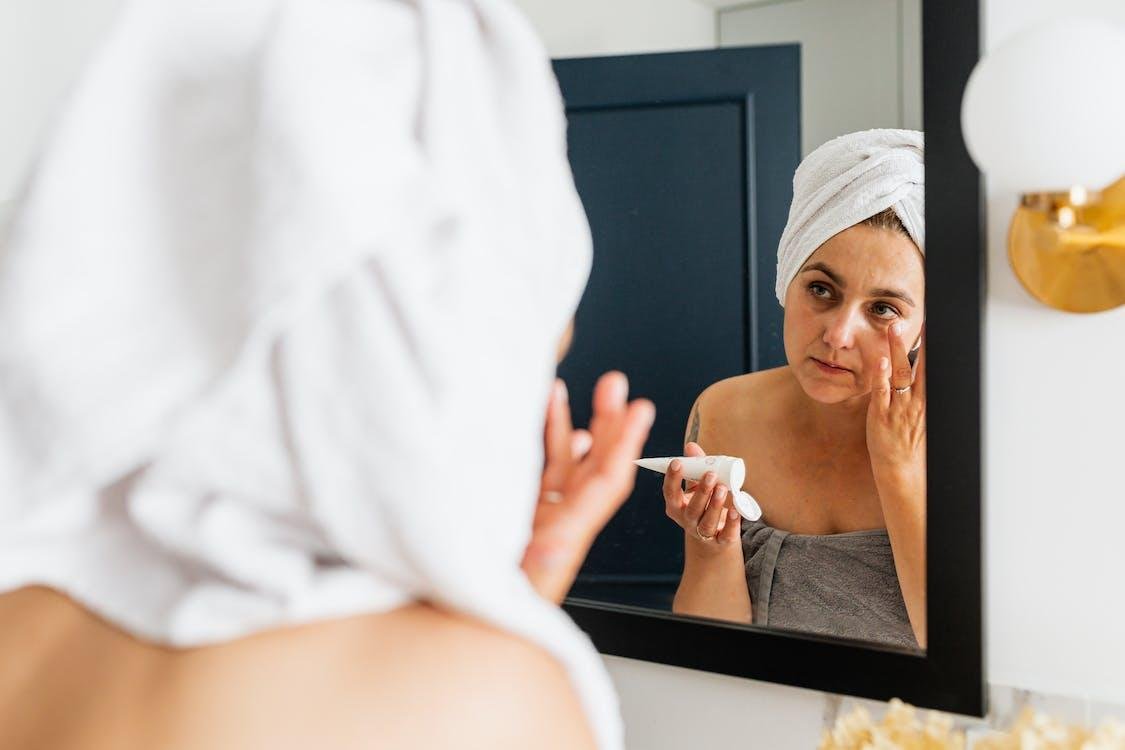
A good eye cream won't solve everything, but it does add up, especially for mild or pigmented dark circles. The ingredient matters more than the brand:
- Sunscreen: the most useful step for pigmented dark circles. In Bogotá, UV radiation is high all year round.
- Vitamin C and niacinamide: they help gradually with pigment and tone.
- Gentle retinoids: they improve the texture and firmness of thin skin over time; around the eyes they're used carefully because they can irritate. More details in the benefits of retinol.
- Caffeine: a temporary de-puffing effect, useful in the morning.
- Hyaluronic acid in a cream: hydrates the surface · it doesn't fill the groove the way the injectable does.
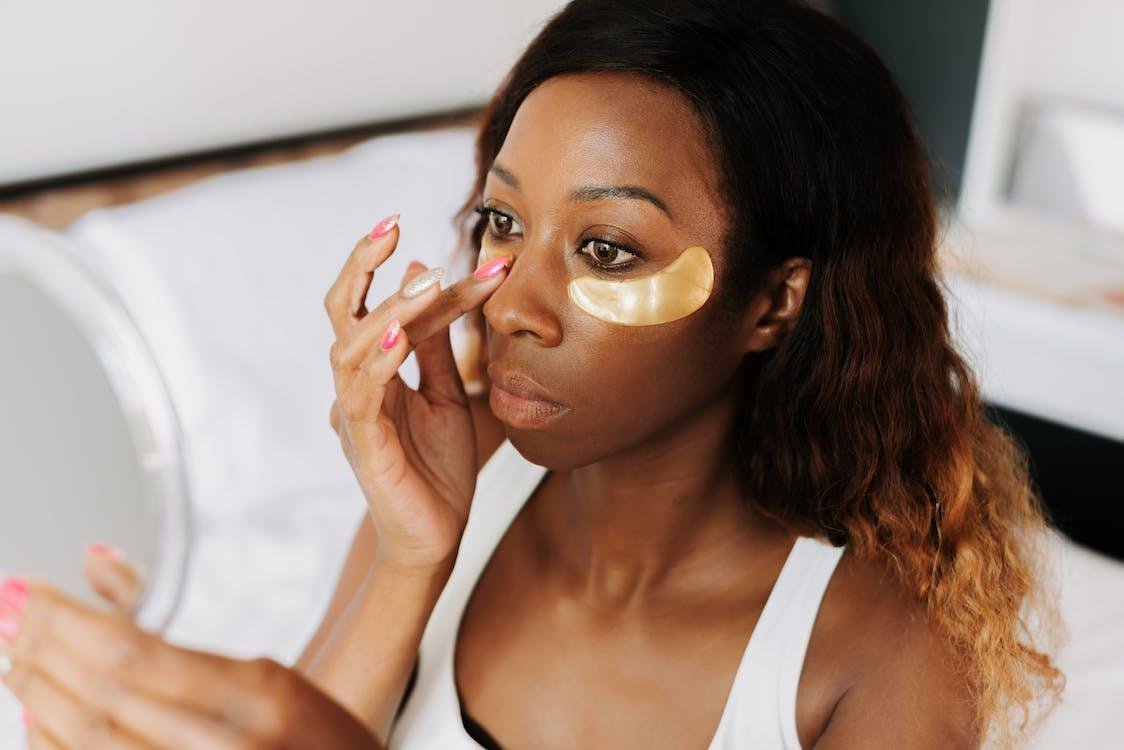
Hydrogel patches hydrate and refresh for a few hours. They're a nice touch before an event, not a treatment. And it's best to introduce actives one at a time, because the skin around the eyes is the most easily irritated.
How to treat dark circles with aesthetic treatments
When a dark circle is structural, markedly vascular, or pigmented and not improving with home care, in-clinic treatments reach where creams can't. Always after identifying the type.
Hyaluronic acid for hollow dark circles

This is the option for a dark circle that looks like a shadow because of a hollow groove. A low-density hyaluronic acid is used, in a small amount, placed deep and usually with a cannula. The improvement shows from the session itself and is assessed at two to three weeks, once the swelling goes down. If needed, it can be corrected with hyaluronidase, which is key in this area.
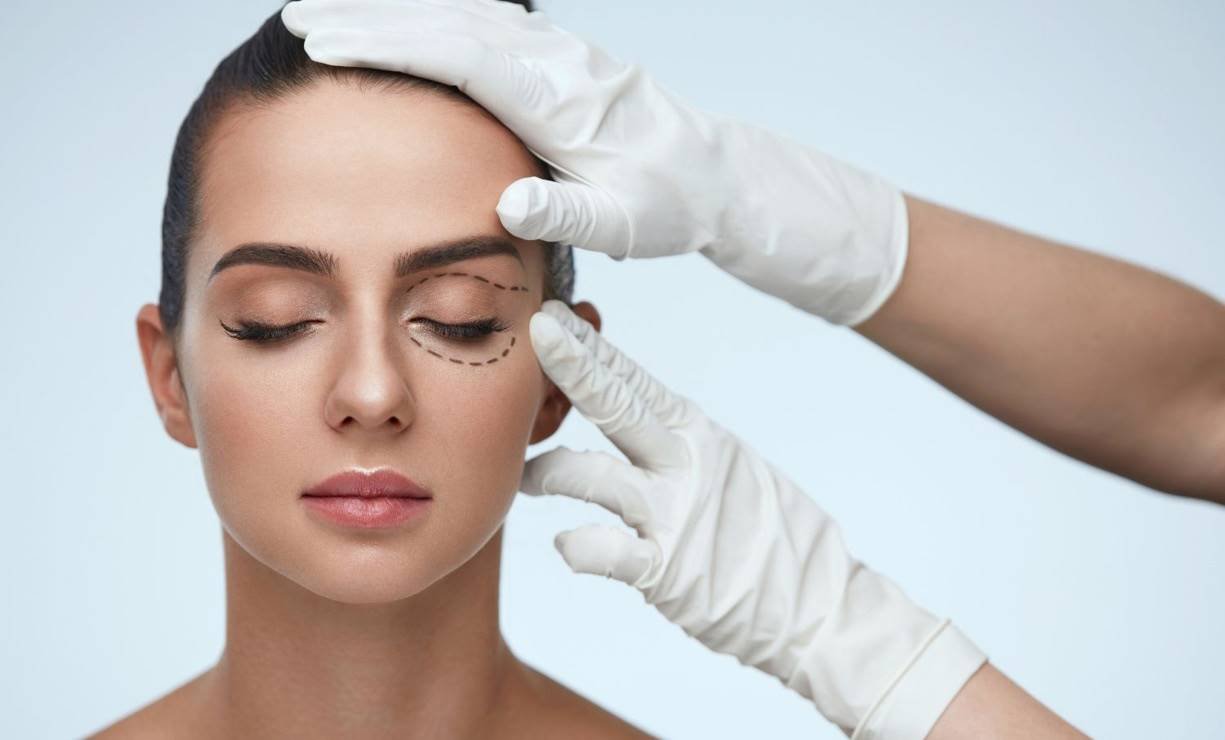
It isn't for everyone: with prominent fat pads, very lax skin or frequent morning puffiness, filler can make things look worse. We explain it in depth in hyaluronic acid for dark circles: is it worth it?
Mesotherapy for thin skin and vascular dark circles
NCTF mesotherapy delivers free hyaluronic acid with vitamins and amino acids through superficial micro-injections. It improves hydration and skin quality around the eyes over several sessions. It doesn't fill, and with vascular dark circles it softens them rather than erasing them. It follows the same logic as mesotherapy for deep hydration of the face.
Depigmenting treatment for pigmented dark circles
When the problem is color, not volume, the answer is a depigmenting protocol adapted to the skin around the eyes, done as a series and with strict sun protection. It's slow and takes consistency: if unprotected sun or rubbing comes back, so does the pigment.
In-clinic eye-area care
The eye Perk in the Hydrafacial cleanses and hydrates the eye area and improves how it looks for a few days. It's a pleasant add-on; it doesn't correct a hollow or a pigmented dark circle.
What about lasers for dark circles?
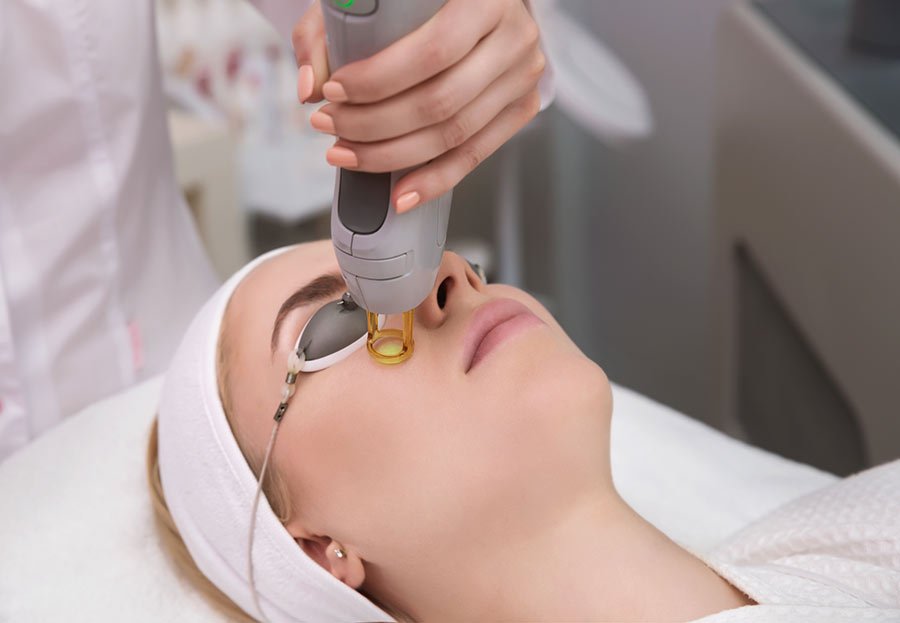
IPL (intense pulsed light) and some lasers treat pigment and vessels in other areas of the face. On the lower eyelid their use is more limited because of how close it is to the eye: it requires eye protection and experience, and it's usually not the first option for a dark circle. If it's considered, the physician decides during the consultation.
Your consultation at iki is free · 45 minutes
A diagnosis and a written, phased plan. You decide afterwards. Related treatment: Dark circle treatment.When is surgery the answer? Blepharoplasty and under-eye bags
When what you see are protruding fat pads or excess skin on the lower eyelid, neither creams nor fillers will solve it. The option is usually blepharoplasty, a surgery in which the fat is removed or repositioned and the excess skin is tightened. It's performed by a plastic surgeon or an ophthalmologist who specializes in eyelids, and in some cases it's combined with a graft of the patient's own fat for the groove.
It's a decision made after a surgical consultation, not as a first step. If your question is about under-eye bags, see how to treat bags under the eyes.
How to prevent dark circles and protect your result

- ✓ Sleep 7 to 9 hours, with your head slightly raised if you wake up puffy.
- ✓ Sunscreen and sunglasses every day.
- ✓ Don't rub your eyes, and treat allergies or nasal congestion if you have them.
- ✓ Go easy on salt and alcohol at night.
- ✓ A varied diet · if you're persistently tired, ask your doctor to rule out anemia.
No food erases a dark circle, but a steady routine keeps it from getting more pronounced. For a tired-looking face in general, you'll find more ideas in tips for a tired-looking face.
See a professional to treat dark circles safely
The eye area is where the most mistakes show: fillers that make a bag more prominent, depigmenting products that irritate, repeated treatments for the wrong type of dark circle. That's why the first step isn't treating, it's looking in good light and understanding what's causing the shadow.
At iki, in Usaquén, the physician identifies which type of dark circle you have, tells you which treatment makes sense and which doesn't, and puts it in writing. You can see how we work on the dark circle treatment page. Results vary from patient to patient.
Your consultation at iki is free · 45 minutes.
Frequently asked questions
Why do I have dark circles if I sleep well?
Because tiredness isn't the only cause. Dark circles can also come from excess melanin, from blood vessels showing through thin skin or from a hollow groove that casts a shadow, and they're often hereditary. Sun, rubbing your eyes and allergies play a part too. That's why some people sleep well and still have pronounced dark circles.
What is the best treatment for dark circles?
There isn't one best treatment for everyone. Hollow dark circles respond to hyaluronic acid in the tear trough; pigmented ones, to depigmenting products and sunscreen; vascular or thin-skin dark circles, to NCTF mesotherapy and eye-area care. Fat pads (under-eye bags) are usually a surgical matter. The first step is identifying the type, and results vary from patient to patient.
Do cucumber, tea bags or cold spoons get rid of dark circles?
They help because of the cold: they bring down puffiness for a while, so your eyes look more rested that morning. They don't change pigment or fill a groove, and the effect lasts hours. Avoid putting acidic foods such as lemon around the eyes, because they can irritate the skin and lead to dark spots with sun exposure.
Does hyaluronic acid work for every type of dark circle?
No. It works mainly for hollow dark circles, because it restores volume in the tear trough and reduces the shadow. It doesn't correct pigment or visible vessels, and with prominent fat pads or frequent puffiness it can make things look worse. It should be injected by a physician experienced in this area, and it can be reversed with hyaluronidase if needed.
How long does hyaluronic acid last under the eyes?
It usually holds for several months, and in the tear trough often longer than in other areas of the face, because the area moves very little. How long it lasts depends on the product, the technique, your metabolism and your habits. The physician reviews the result at two to three weeks and decides when a follow-up makes sense.
When is blepharoplasty recommended for dark circles?
When the problem is protruding fat pads or excess skin on the lower eyelid that don't improve with creams or fillers. In surgery, the fat is removed or repositioned and the excess skin is tightened. It's recommended and performed by a plastic surgeon or an ophthalmologist who specializes in eyelids, after a surgical consultation.
This article is for information only and does not replace a medical consultation. Results of any treatment vary from patient to patient. If you have a skin condition, book a consultation to get a diagnosis.