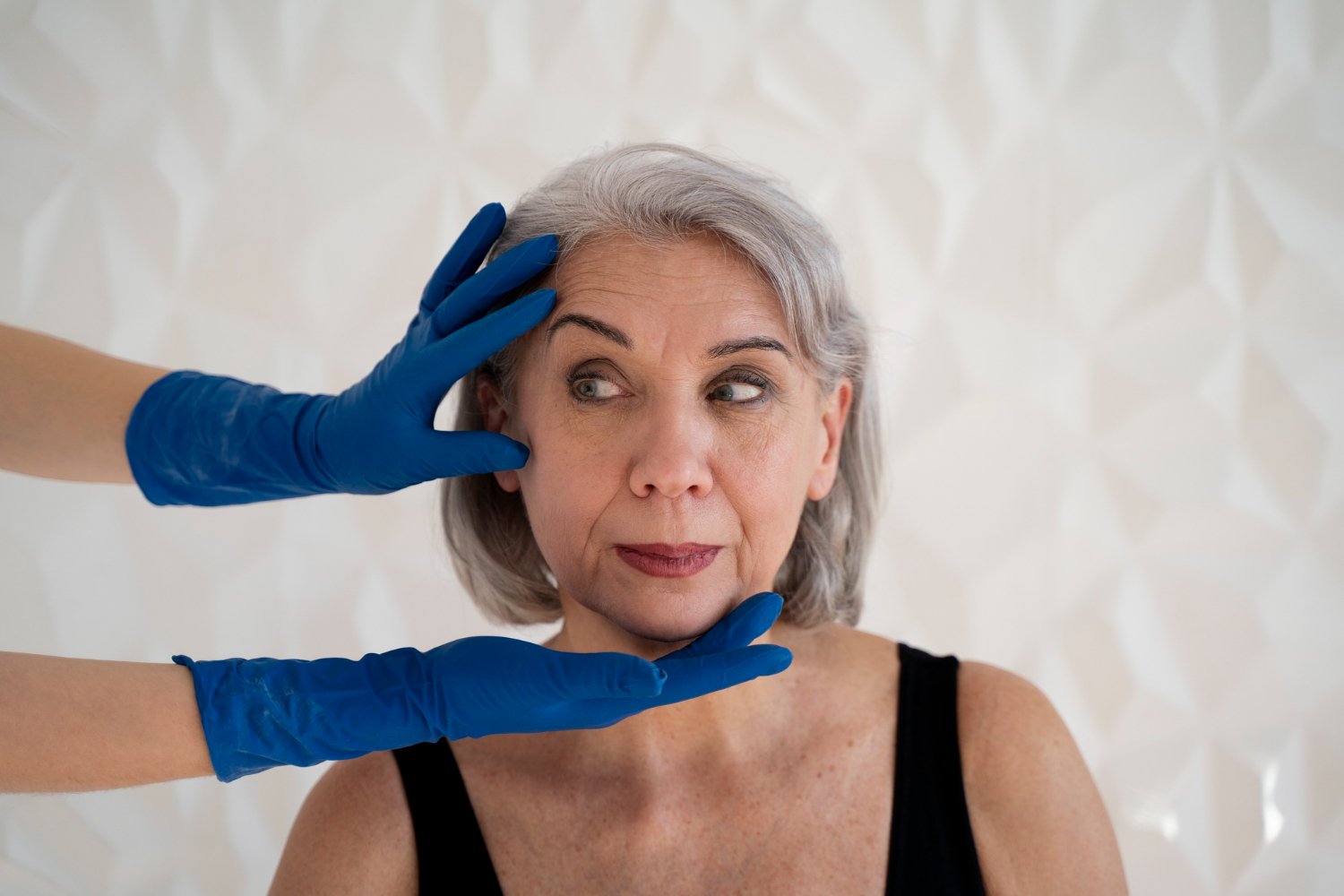
Aesthetic medicine procedures can work at any age, but the result depends on the condition of your skin and the right indication. Over the years skin loses collagen, fat and hydration, and some treatments deliver less. The most common mistake isn't the procedure but recommending the wrong treatment or setting unrealistic expectations. Care before and after treatment also matters.
Many women of all ages ask themselves: “Is there an age limit for cosmetic treatments? Is it possible that aesthetic medicine procedures won't work for me?” The honest answer to the first question is no: there's no real age limit, although the younger a person is, the better the skin quality and the easier it is to achieve the cosmetic effect.
After 70, skin becomes thinner, less elastic and less sensitive to touch, pressure, vibration, heat and cold. That makes it hard to get aesthetic results that meet each person's expectations. But “hard” doesn't mean impossible.
Below, we explain how skin changes with age, how that can affect results and whether certain aesthetic medicine procedures might not work for you.
How skin changes with aging
Our skin changes in structure and characteristics as time goes by. From age 25, collagen production in the face decreases, although it doesn't stop.
The loss of collagen in the skin is gradual, so if you're 30, the changes you'll see in your face are few and the chance of correcting them is much greater. But for people in their 50s, 60s and 70s, collagen loss is significant and reduces the results of many aesthetic treatments.
The skin of people over 70 can be more fragile, thin, dry and easily irritated. That's because skin loses fat and its ability to hold water decreases. On top of that, the sebaceous glands produce less oil with age, which makes it harder to keep skin moisturized and causes dryness and itching.
How do I know if my skin is aging?
In men, the skin's oil production decreases gradually, more often after 80. Women, for their part, produce less oil after menopause. Both, however, experience skin symptoms such as the following:
- Reduced sensitivity to touch, pressure, heat and cold.
- Bruising more easily.
- Wrinkles, age spots and skin tags.
- Higher risk of skin tears.
- Higher risk of broken blood vessels.
How can aging make aesthetic medicine procedures not work for me?
For an aesthetic treatment to deliver results, it's important that the skin is in good condition and prepared for the procedure. Many people arrive at an aesthetic clinic with skin that's sun-damaged from sun exposure, dry from a lack of moisturizer in their routine, or simply dirty from external factors such as air, water or pollution in their city.
So, to prepare your skin before an aesthetic treatment, it's important to:
- Avoid unprotected sun exposure.
- Stop using products such as retinol, if the physician tells you to.
- Keep your skin properly hydrated.
Now, if your skin is well cared for but you feel aesthetic procedures don't work for you, there could be other factors. Contrary to what you might think, the most common mistake in aesthetic medicine isn't related to the procedure but to the “wrong indication.” Giving a patient false expectations can lead to unsatisfying results, unnecessary complications and, in extreme cases, skin damage.
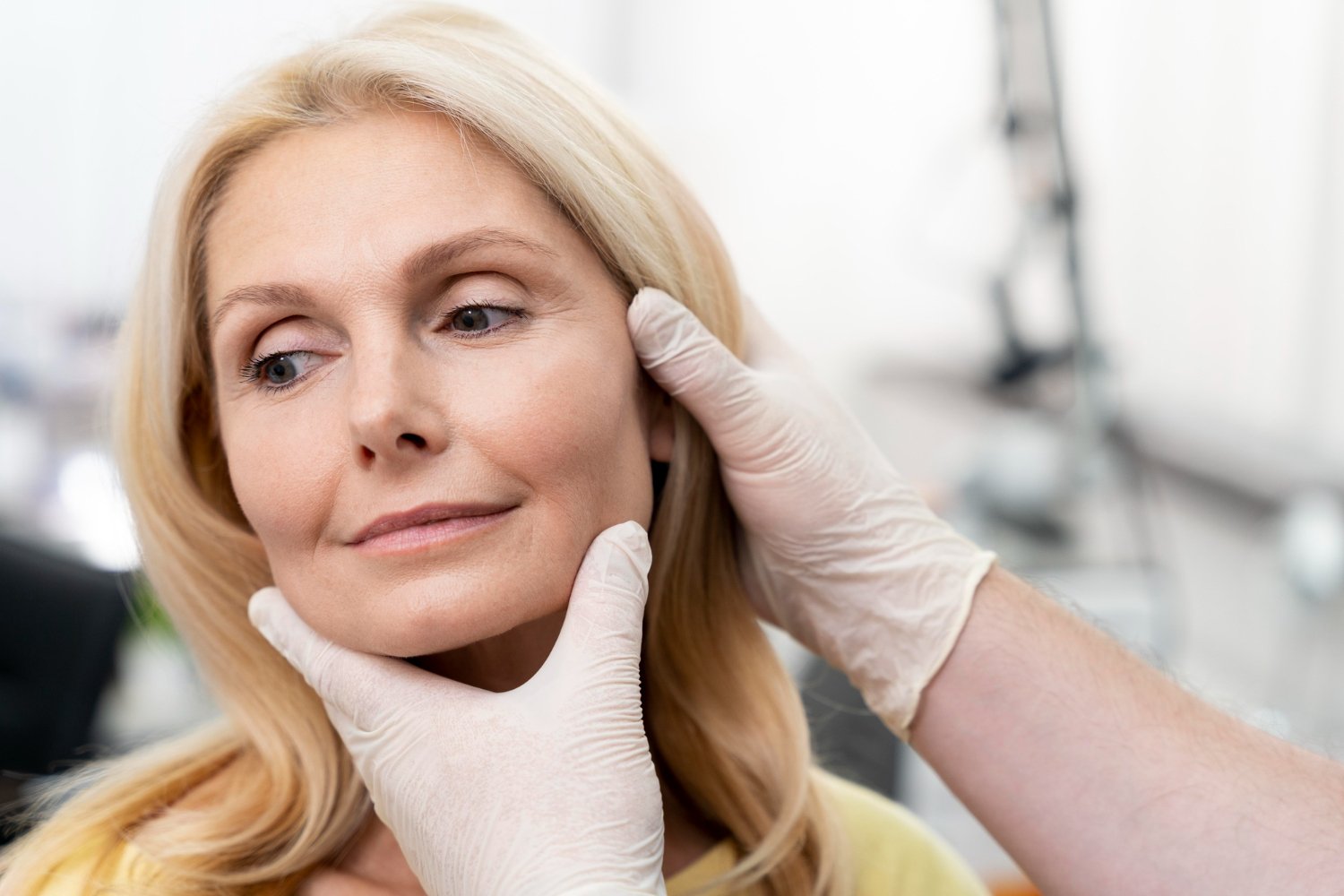
It's important to assess the condition of the skin in order to recommend a treatment suited to the person's age, sun damage and needs. That includes not only a detailed physical exam, but also a deep understanding of their wishes, expectations, medical history and lifestyle. Because yes, some aesthetic treatments become less effective over time.
Treatments between 20 and 30
At this age the key isn't treating certain problems but getting ahead of them. The recommended procedures are those aimed at preventing skin aging, treating problems such as acne or cellulite, or boosting radiance.
The most effective treatments in your 20s and 30s are mesotherapy, facials and superficial peels with active ingredients. And if needed, filtered lasers to treat acne and improve its scars. Treatments with Botox or dermal fillers that aim to add volume usually aren't the first option, because at this age the benefit tends to be minimal.
Your consultation at iki is free · 45 minutes
A diagnosis and a written, phased plan. You decide afterwards. Related treatment: Star Facial.Treatments between 30 and 40
The main goal between 30 and 40 is to prevent premature aging, since this is when the first imperfections start to appear in the skin. Facial radiofrequency treatments are recommended here, along with subtle fillers based on hyaluronic acid and platelet-rich plasma. That's because these are aesthetic procedures that work on skin with more imperfections, improving skin laxity and expression lines.
Treatments between 50 and 60
With the drop in estrogen, skin dries out and loses part of the two components that give it vitality: collagen and elastin. At this age, special attention should go to the eye area, which is the first to show the passage of time, as well as the corners of the mouth and the forehead. These are the points where wrinkles, dark circles and age-related pigmentation usually form.
The most recommended aesthetic treatments are those focused on deep nourishment and softening the deepest wrinkles. For example, hyaluronic acid, thread lifts or facial biolifting with collagen inducers.
Aesthetic medicine in older age does work
Although it's true that skin aging makes many aesthetic medicine procedures deliver less, this isn't always a problem. Most mature patients don't necessarily want to see drastic changes in their face the way younger patients do.
In general, people in their 60s, 70s and 80s just want to look fresher for their age. They rarely want facelifts, but simply to improve skin texture and the appearance of the lines around the mouth. That means the limits of age don't have to stand in the way of visiting an aesthetic clinic in Colombia.
The most popular aesthetic treatments from 80 onward are usually laser, which improves skin texture, and dermal fillers around the mouth or just in the cheeks to give them a little lift.
For women in their 50s and 60s, the general concern is redefining the face. So in this case, treatments for facial skin laxity or Botox tend to help: the former work on firmness, and Botox, as a muscle relaxant, softens expression lines.
In younger patients, aged 30 to 40, there's more room for improvement. In this age group, many women are starting to use gentle muscle relaxants for expression lines and facial features. When we treat them, we aim to prevent rather than cure. We recommend gentle laser treatments, treatments that stimulate collagen production and, when indicated, prescription skincare products.
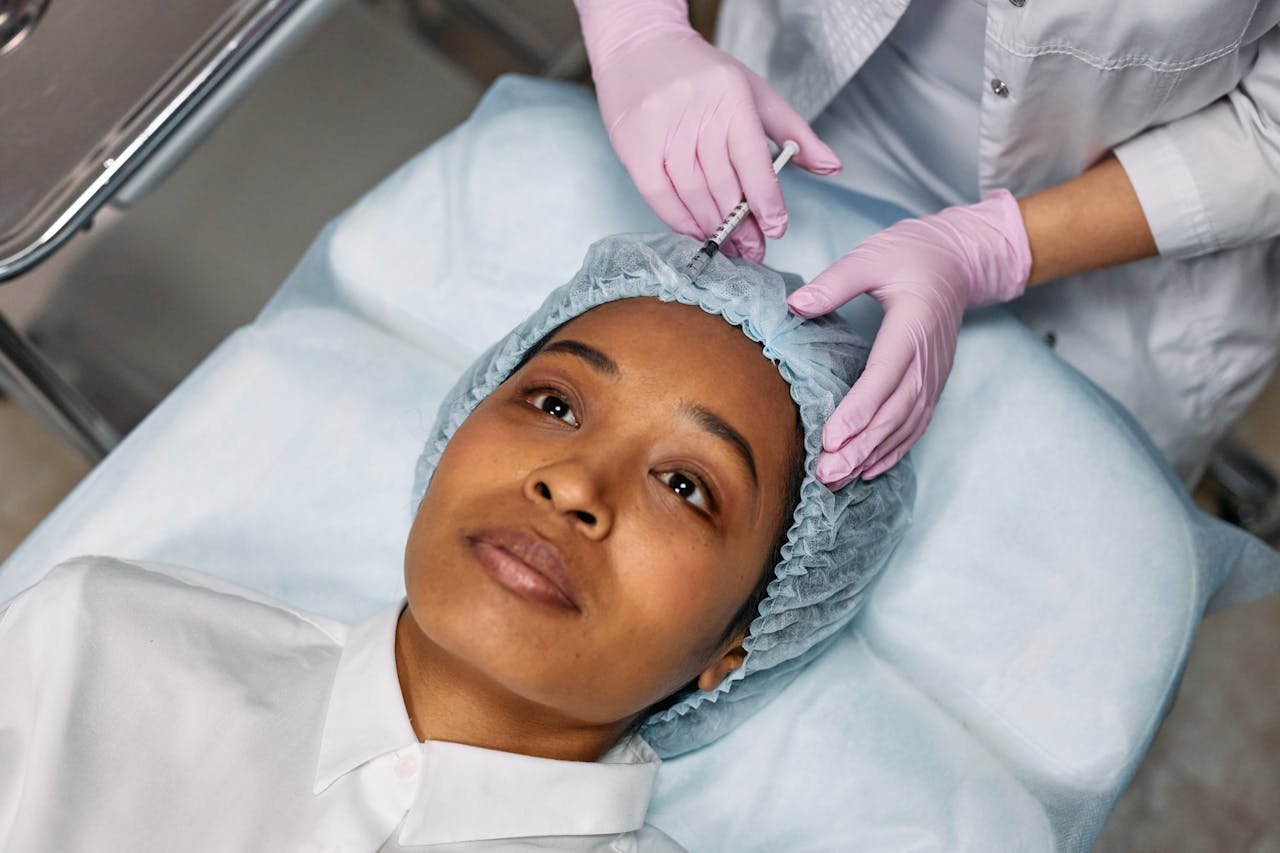
Tips to make aesthetic treatments work for you
If you've tried treatments with pulsed light (IPL) or Botox and feel these aesthetic medicine procedures don't work, you may need to make changes to your daily routine. You won't see results from your melasma treatment, for example, if right after the session you decide to head to the beach and lie in the sun.
Care before and after treatment is essential to get the aesthetic results you're hoping for: smoother skin, fewer wrinkles or the well-known lifting effect.
At IKI Skin Experts, the medical team assesses your skin before recommending any anti-aging treatment. One of our protocols is the Collagen Boost, designed to stimulate collagen production progressively. You can book a free medical consultation with us.
Other recommendations we suggest if you feel aesthetic medicine procedures don't work for you:
- Before any treatment, get informed. Ask a qualified specialist what results you can expect, and weigh the risks and benefits of the treatment.
- After treatment, follow the specialist's instructions to preserve the results. Sleeping well, reducing stress and using cold compresses to reduce swelling are some of the most important aftercare steps.
- Don't forget to hydrate your skin and keep it clean once you've recovered from the procedure, because dry skin is more prone to wrinkling and losing its radiance.
- Avoid exfoliants and abrasive products that damage your skin barrier, especially if you're already 50 or older. Use the specific products the professional recommends.
- Be patient: changes are usually gradual, and results vary from patient to patient.
Remember: there's no age limit for aesthetic treatments. It's about looking good for longer, naturally, with a plan suited to your skin. Your consultation at iki is free · 45 minutes.
Frequently asked questions
Is there an age limit for aesthetic treatments?
There's no real age limit. The younger the skin, the easier it is to achieve the desired effect, but results are also possible after 60 or 70. Most older patients aren't looking for drastic changes, but to improve skin texture and look fresher for their age, which is usually achievable.
Why might an aesthetic treatment not work?
The most common causes are unprepared skin (sun-damaged, dry or without sun protection), the wrong indication for your age or your real problem, unrealistic expectations and not following aftercare. For example, going out in the sun right after a melasma session can undo the progress made.
Which treatments are usually recommended by age?
Between 20 and 30, prevention comes first: facials, superficial peels, mesotherapy and laser for acne. Between 30 and 40, radiofrequency, subtle hyaluronic acid fillers and platelet-rich plasma. Between 50 and 60, hyaluronic acid, thread lifts and collagen biostimulators. The final recommendation always depends on the medical consultation.
How do I prepare my skin so the treatment gives better results?
Wear sunscreen daily and avoid unprotected sun, keep your skin hydrated, and stop products such as retinol only if the physician tells you to. After the procedure, follow the specialist's instructions, sleep well, avoid harsh exfoliants and be patient: many changes are gradual, and results vary from patient to patient.
This article is for information only and does not replace a medical consultation. Results of any treatment vary from patient to patient. If you have a skin condition, book a consultation to get a diagnosis.