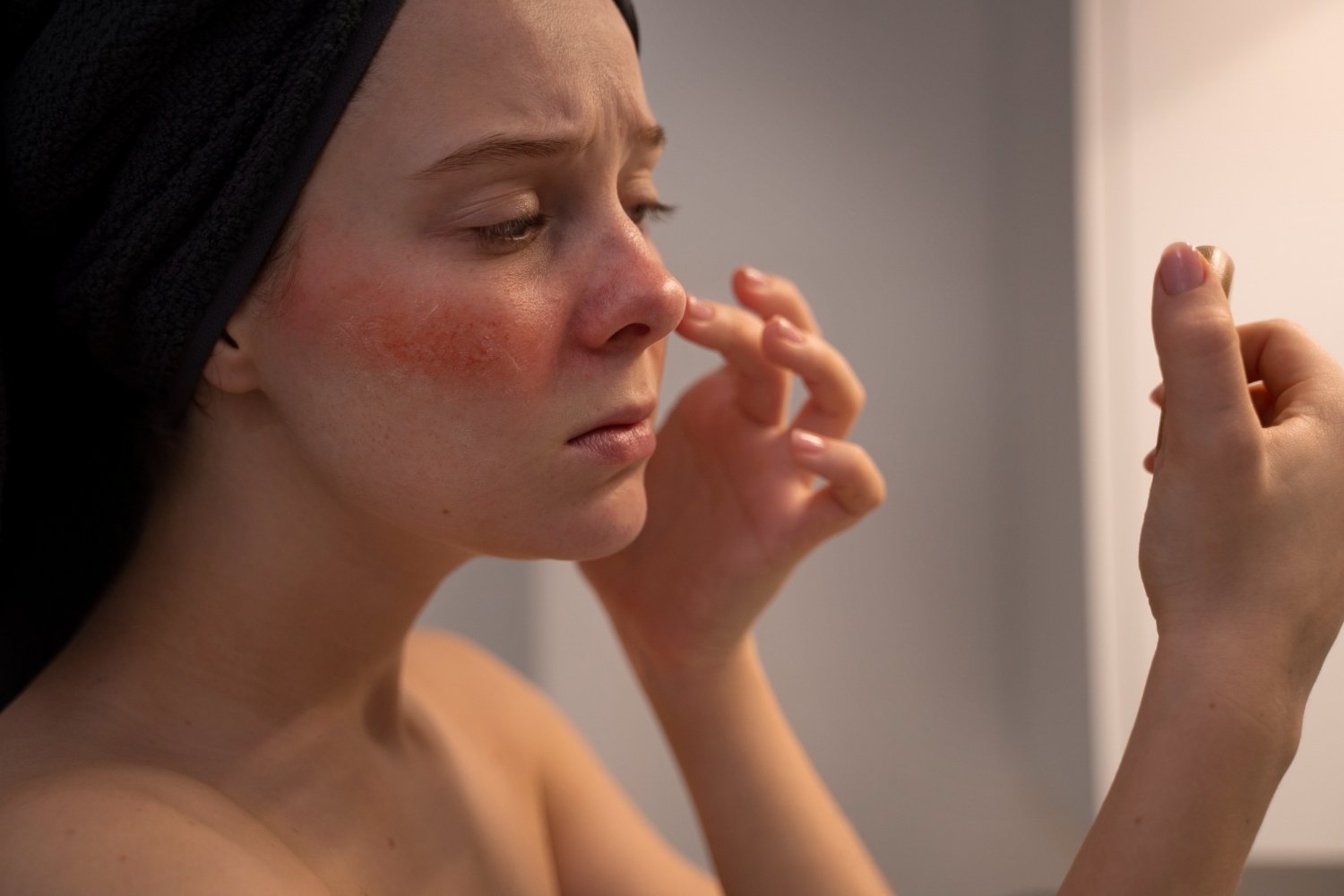
Rosacea is a chronic inflammatory skin disease that causes persistent redness on the cheeks, nose, forehead and chin, sometimes with dilated vessels, burning or bumps. It isn't the same as acne or dermatitis. It isn't cured · it's controlled, with gentle skincare, daily sun protection, avoiding triggers and treatments such as IPL (intense pulsed light).
Does your face feel hotter or redder than usual, especially on your cheeks, nose or forehead? You might have facial rosacea. Rosacea is an inflammatory skin condition that, although common, is surrounded by myths that make it harder to treat.
In this article we explain what erythematotelangiectatic rosacea, as specialists call it, really is, and we debunk some misconceptions about facial redness.
Rosacea: what is it?
More than a flush, rosacea is a skin disease that shows up mainly as redness on the face. The most affected areas are usually the cheeks, forehead, chin and nose, where dilated blood vessels may be visible.
There are several subtypes of rosacea depending on how it presents, and the most frequent is erythematotelangiectatic rosacea. This is the most common type and is characterized by persistent facial redness, which affects the quality of life and self-esteem of the people who have it. That's why it's essential to understand its causes well and not believe myths like the ones below.
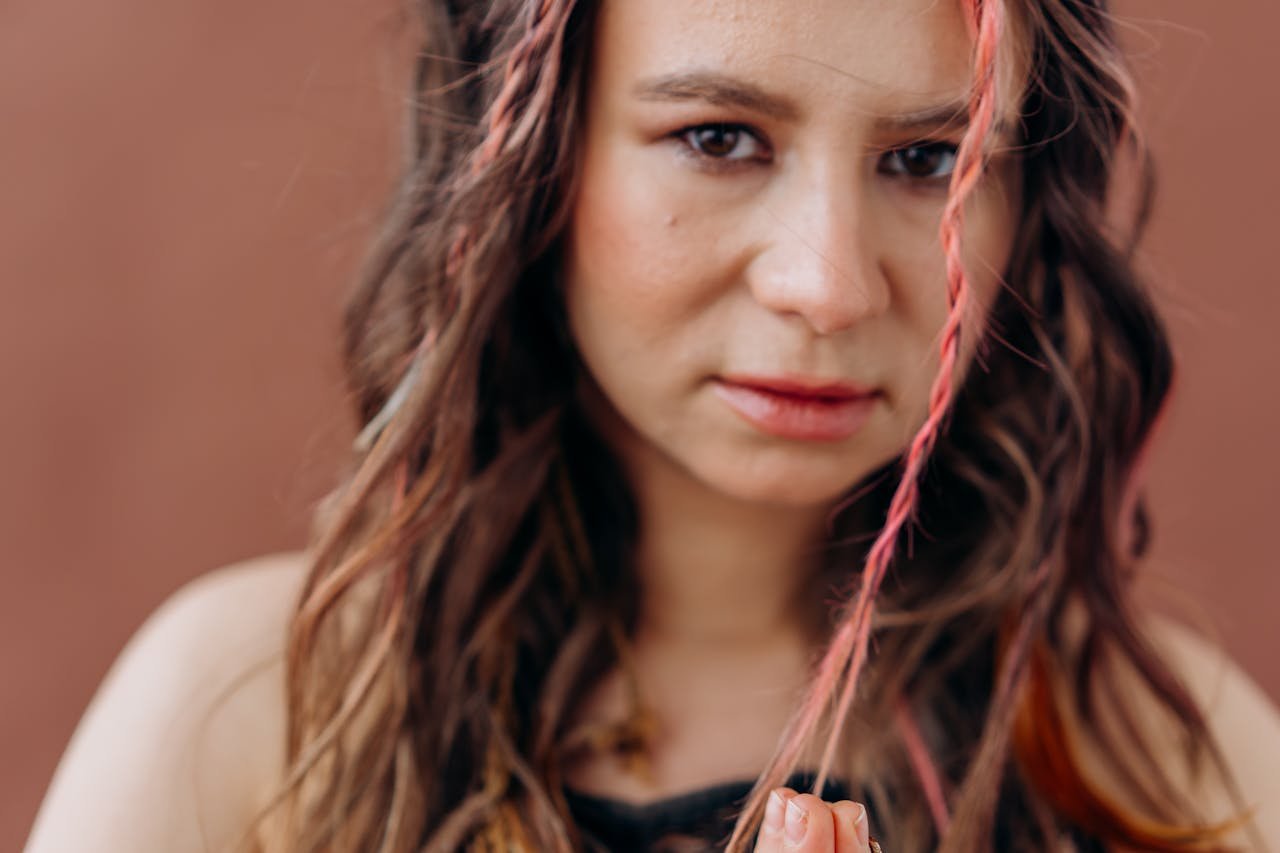
Myth 1: Exercise causes rosacea
Not necessarily. Prolonged physical activity raises your body temperature and, in many cases, can cause redness. But it's important to understand that the symptoms of facial rosacea go beyond redness.
Erythematotelangiectatic rosacea can appear even if you're sedentary, and its flare-ups can be triggered by other factors, such as too much spicy food. When it appears, it comes with symptoms such as burning, dryness or bumps that can look like acne. So exercise isn't always the cause of rosacea, and it's certainly not something that has to hold you back.
If you have facial rosacea, you can exercise in cool places to keep symptoms in check. Remember to stay well hydrated and apply tinted sunscreen to block the sun's UV rays.
Myth 2: Skincare products make facial rosacea worse
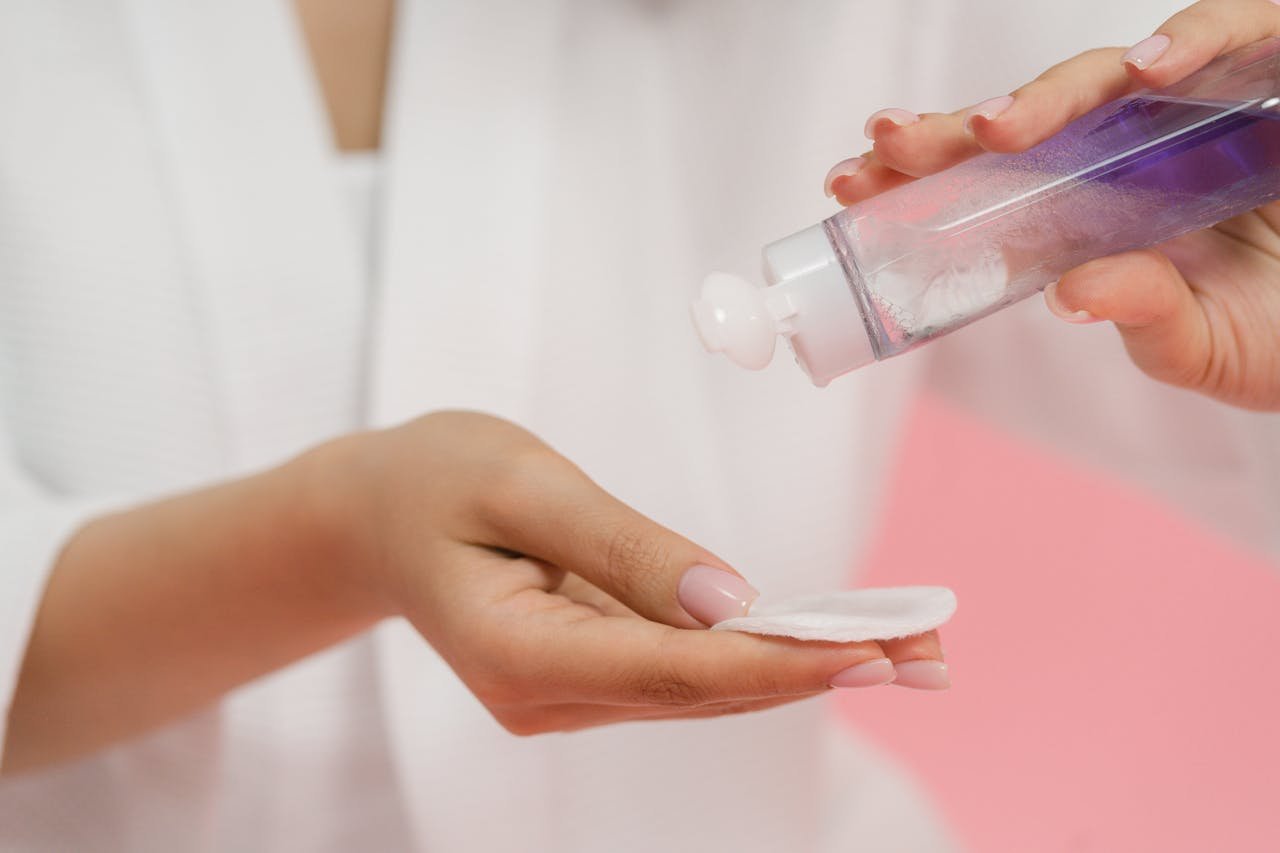
False. Not every cream is an enemy of facial rosacea. In fact, daily cleansing with gentle, suitable products is key to preventing redness flare-ups.
Ingredients such as aloe vera, oat, arnica or niacinamide can be beneficial if you have rosacea, because they have hydrating and anti-inflammatory properties. What you should avoid when caring for sensitive skin are products with alcohol, strong fragrance or exfoliating acids such as AHAs and BHAs in high concentrations.
Myth 3: There's no makeup for erythematotelangiectatic rosacea
Wrong. There are more and more makeup options designed for sensitive skin prone to redness. For example, lightweight, non-comedogenic foundations can be a big help in concealing erythematotelangiectatic rosacea.
Look for products with soothing or protective ingredients such as zinc oxide, oat extract or centella asiatica. And if your skin is very reactive on a given day, it's better to skip makeup and let it breathe.
Myth 4: Rosacea is the same as acne or dermatitis
They're often confused, but they're not the same. Facial rosacea can come with bumps, but there are no blackheads as in acne. There's also usually no heavy flaking or itching as in some types of dermatitis, because it's a chronic redness of small blood vessels in the skin (telangiectasias). Being able to tell these three conditions apart is key to choosing the right treatment for rosacea. Which brings us to the last big misconception on this topic.
Myth 5: There's no treatment for mild rosacea
False. Rosacea isn't cured · it's controlled. Skin medicine has made progress in managing this chronic condition, and today there are effective treatments to control the symptoms. Put simply, there are several rosacea treatments that can help you reduce redness and improve how your skin looks. Results vary from patient to patient.
At IKI Skin Experts we have a treatment protocol for facial rosacea that addresses the vascular component. IPL (intense pulsed light) is often recommended for mild rosacea because, by emitting pulses of light, IPL acts on the hemoglobin in dilated blood vessels. As a result, facial redness is gradually reduced.
For some patients, depending on the medical consultation, gentle chemical peels for rosacea or microdermabrasion are another alternative. These procedures gently exfoliate the surface layer of the skin, which results in a more even texture.
At IKI Skin Experts, we debunk the myths about facial rosacea
As you can see, facial redness isn't the end of the world. Facial rosacea can be controlled with home care and the rosacea treatments available in Colombia. Don't be swayed by myths you find online, because many of them have no scientific basis.
Erythematotelangiectatic rosacea and mild rosacea don't have to limit your well-being. Just try to follow a care routine like this one:
- Gentle cleansing: Use cleansers without sulfates, alcohol or fragrance.
- Consistent hydration: Choose lightweight creams with soothing actives.
- Daily sun protection: Use SPF 50 with physical filters for reactive skin.
- Avoid triggers such as spicy food, alcohol, direct sun or sudden temperature changes.
If you have questions, you can book a free medical consultation with us at IKI Skin Experts. The medical team examines your skin, identifies your triggers and proposes a plan to control your rosacea. Once it's controlled · you can live with it calmly. Your consultation at iki is free · 45 minutes.
Frequently asked questions
Does exercise cause rosacea?
Not necessarily. Prolonged exercise raises your body temperature and can cause redness, but rosacea also appears in sedentary people, and its symptoms go beyond flushing: burning, dryness or bumps. If you have rosacea, you can exercise in cool places, stay well hydrated and wear sunscreen.
Which skincare products can I use if I have rosacea?
Gentle cleansers and creams with soothing actives are allies, not enemies. Ingredients such as aloe vera, oat, arnica or niacinamide can help because of their hydrating and anti-inflammatory properties. It's best to avoid products with alcohol, strong fragrance or exfoliating acids such as AHAs and BHAs in high concentrations.
Can I wear makeup if I have rosacea?
Yes. There are lightweight, non-comedogenic foundations designed for sensitive skin prone to redness. Look for products with ingredients such as zinc oxide, oat extract or centella asiatica. If your skin is very reactive on a given day, it's better to skip makeup and let it rest.
How do I tell rosacea apart from acne or dermatitis?
Rosacea can come with bumps, but it doesn't have blackheads like acne. It also doesn't usually have the heavy flaking or itching of some types of dermatitis: it's characterized by chronic redness associated with small dilated blood vessels, called telangiectasias. Telling them apart is key to choosing the right treatment.
Can rosacea be cured?
It isn't cured, but it can be controlled. IPL (intense pulsed light) acts on dilated vessels and gradually reduces redness, and in some cases gentle peels are used. At home, gentle cleansing, hydration, SPF 50 sunscreen with physical filters and avoiding triggers such as spicy food, alcohol or direct sun all help.
This article is for information only and does not replace a medical consultation. Results of any treatment vary from patient to patient. If you have a skin condition, book a consultation to get a diagnosis.