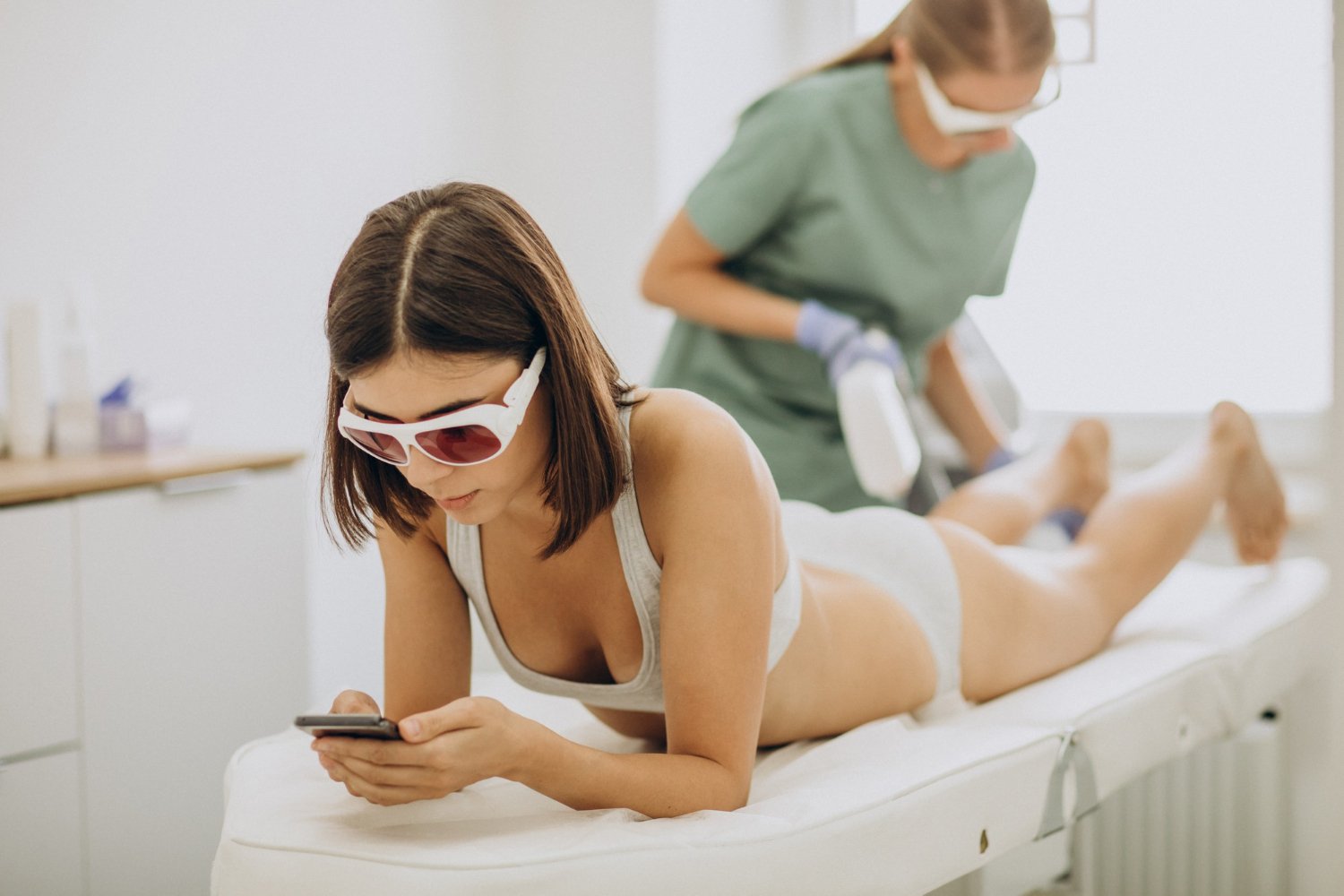
Laser hair removal can work on every skin type if the right technology is chosen. Very fair skin is usually treated with alexandrite or ruby lasers, fair and medium skin with diode or Nd:YAG, and dark skin with Nd:YAG or combined systems such as Splendor X. The laser reduces hair progressively, session by session, and results vary from patient to patient.
Looking into laser hair removal but not sure whether it's right for your skin type? You're in the right place. For a long time people said laser hair removal wasn't safe if your skin is very dark or your hair is too light, because some wavelengths can burn the skin in the process. However, if you choose the right laser technology you can get safe, effective results; results vary from patient to patient.
Laser hair removal is a procedure that uses pulses of laser light to weaken hair follicles and achieve progressive hair reduction, session by session. Not every laser suits every skin type. Identifying the right one is essential, and we'll help you do that throughout this article. So keep reading if you're still unsure which hair removal to choose.
Which laser hair removal is best for my skin type?
Skin is classified into skin types (Fitzpatrick) according to its color and how it responds to sun exposure. The scale goes from the fairest, most sun-sensitive skin, such as people with freckles, to the darkest, most resistant skin.
We suggest taking a test to determine your skin type before laser hair removal, because you'll need it to choose which technology to use. Here are some examples.
Laser hair removal for very fair skin (Type 1)
If your skin is white, freckled and burns easily in the sun, you have skin type 1. This skin is especially sensitive and reddens easily, so laser hair removal with shorter wavelengths, such as the ruby or alexandrite laser, is recommended.

The advantage of these lasers is that the intensity can be adjusted to the hair color, whether black, blond or red. This reduces the risk of irritation or unwanted side effects.
Laser hair removal for fair skin (Type 2)
If your skin is white but not translucent, you have skin type 2. For fair skin, the best hair removal laser is the diode, because it can penetrate fair skin safely without damaging the surrounding tissue. If discomfort worries you, there are diode devices with progressive application, such as the Soprano, that tend to be more tolerable.
Diode laser hair removal takes several sessions before you start to see results. Don't be discouraged if you still have hair after two or three weeks; just make sure the aesthetic clinic you choose has modern laser technology and staff trained to perform this treatment.
Laser hair removal for medium skin (Types 3 and 4)
If your skin is fair but can tan, you have this intermediate skin type and all its advantages. Skin types 3 and 4 are ideal for laser hair removal technologies, especially diode lasers and neodymium YAG lasers.
Diode lasers are known for treating larger areas quickly, but your hair needs to be black or dark brown. Neodymium YAG lasers, with a longer wavelength, penetrate deeper and reduce the risk of burns on more tanned skin.
Laser hair removal for dark skin (Types 5 and 6)
If your skin tans very easily and you rarely burn, you're a type 5 or 6 on the scale. This means you need to be careful when choosing a laser hair removal technology, because there's a risk of burns. The best lasers for darker skin are neodymium YAG lasers and lasers with an advanced hair removal system such as Lumenis' SplendorX, which combines alexandrite laser and Nd:YAG laser technology to reduce unwanted hair.
The most advanced hair removal systems offer cooling technology that cools the skin's surface before, during and after the laser pulse, which reduces the sensation of heat, itching or discomfort.
Hair removal then vs. new technologies
If your skin is very dark and you opt for conventional laser hair removal, you may experience pain or even a burn. That's because the difference between skin tone and hair color is very subtle, and the laser has a hard time telling them apart.
The same happens with fair skin and blond or red hair. The skin and hair are so similar that the laser's power has to be lowered, and with it, how effective the results are.
Fortunately, conventional lasers have evolved with different wavelengths, each designed for a skin type and its needs. At IKI Skin Experts we have an alexandrite and Nd:YAG device, the Splendor X, which allows safe laser hair removal, with progressive hair reduction, session by session.
It's usually more effective than traditional models because it allows the right wavelength to be used for your skin color. Most importantly, it's safe and the discomfort is tolerable on both darker and fair skin. If your skin wasn't compatible with conventional laser hair removal, or the discomfort worried you, we invite you to learn about our laser hair removal with Splendor X.
What about sensitive skin?
Sensitive skin can have laser hair removal as long as it isn't irritated and has no wounds. The laser can't be aimed directly at wounds, because there's a risk of leaving long-lasting dark spots in the area.
It's recommended to wait until the wound has fully healed before having laser hair removal there.
Tips for your laser hair removal appointment
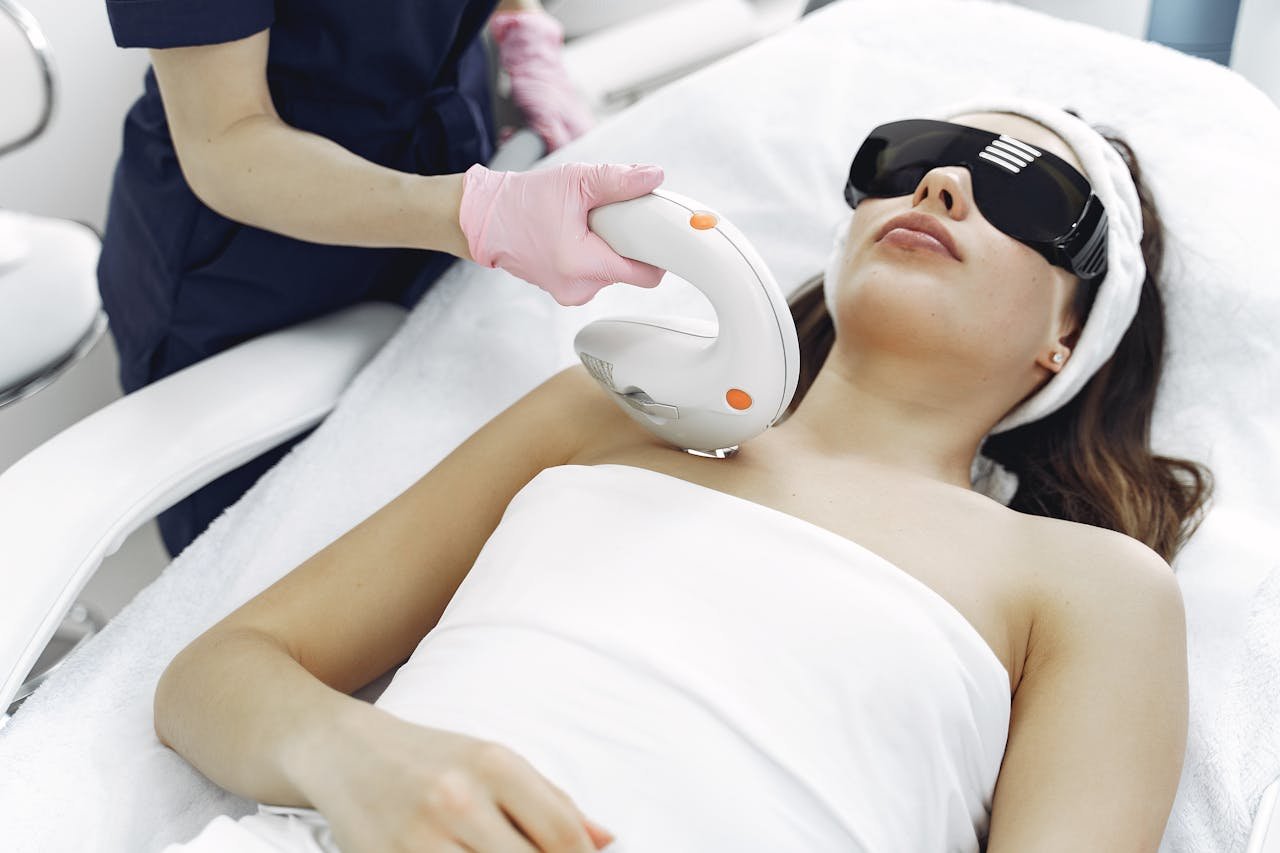
Now that you know which laser to use for your next session, it's important to prepare. For a laser hair removal session, you should shave the area to be treated and avoid sun exposure. It's also important that the area is clean, with no traces of makeup or creams.
Your results also depend on how you care for the area during the process. Here are the minimum requirements for a successful laser hair removal treatment:
- Shave the area 24 to 48 hours before if the hair is coarse, and 5 to 6 days before if it's fine.
- Avoid sun exposure for 3 to 4 days before and after your treatment.
- Don't wear creams or makeup on the day of your laser hair removal session.
- Tell your physician if you take blood thinners or other medication; don't stop any of them without their instruction.
- Avoid alcohol for the 24 hours before your appointment.
If you follow these recommendations and choose the right technology for your skin type, you can get good results on any skin type; results vary from patient to patient. Come in for a free medical consultation with us and get to know our laser technology in Bogotá, with our medical team. Your consultation at iki is free · 45 minutes.
Frequently asked questions
What is skin type (Fitzpatrick) and why does it matter for laser hair removal?
Skin type classifies skin by its color and how it responds to the sun, from very fair, freckled skin that burns easily (type 1) to dark skin that rarely burns (types 5 and 6). It determines which wavelength is safe and effective for you, which is why it's worth knowing before treatment.
Is laser hair removal safe on dark skin?
Yes, with the right technology. With a conventional laser there's a risk of discomfort or burns, because the difference between skin tone and hair color is subtle. Nd:YAG lasers and combined systems such as Splendor X, which pairs alexandrite and Nd:YAG with skin cooling, make it possible to treat darker skin safely.
Does laser hair removal work on blond or red hair?
It's harder. When the hair and skin are very close in tone, the laser's power has to be lowered, and that reduces how effective the results are. In these cases a medical consultation helps decide whether laser is a good option and which technology offers the best results for you.
How should I prepare for a laser hair removal session?
Shave the area before the session, avoid sun exposure before and after treatment, and arrive with clean skin, without creams or makeup. Avoid alcohol for the 24 hours before and tell your physician about any medication, especially blood thinners, without stopping it on your own. If you have wounds in the area, wait until they heal.
This article is for information only and does not replace a medical consultation. Results of any treatment vary from patient to patient. If you have a skin condition, book a consultation to get a diagnosis.